Elinor Fair
Actor
Born: December 21, 1903 in Seattle, Washington, USA Died: April 26, 1957 Active: 1919-1931 Birth Name: Eleanor Ruth Van Court
Films
3 films
About Elinor Fair
Elinor Fair, born Eleanor Ruth Van Court, was a prominent silent film actress who rose to fame during the early 1920s. She began her career in 1919 and quickly became one of the more recognizable faces of the silent era, appearing in numerous productions for major studios. Fair was particularly known for her work opposite leading men of the day and her ability to convey emotion through the subtle expressions required by silent film acting. Her career peaked in the mid-1920s with roles in several successful features, but she struggled to transition to sound films as the industry evolved. She married actor William Boyd in 1926, and their high-profile relationship often overshadowed her individual career achievements. By the early 1930s, her film appearances became increasingly sporadic, and she eventually retired from acting. Fair spent her later years away from the spotlight, living quietly in California until her death in 1957 at the age of 53.
The Craft
On Screen
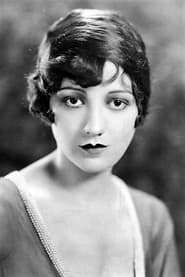
Fair was known for her expressive eyes and delicate screen presence, typical of leading ladies of the silent era. She employed subtle facial expressions and graceful movements to convey emotion, mastering the art of pantomime required before the advent of sound. Her acting style was naturalistic for the period, avoiding the exaggerated gestures that some silent film actors relied upon, which made her performances more relatable to audiences.
Milestones
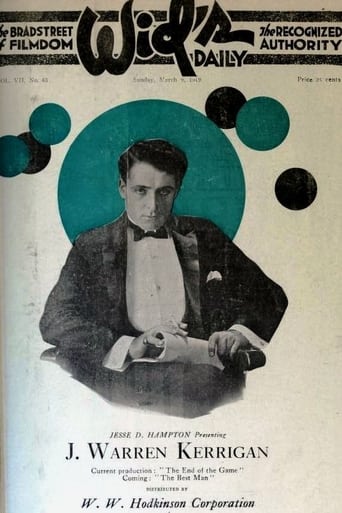
- Film debut in 'The End of the Game' (1919)
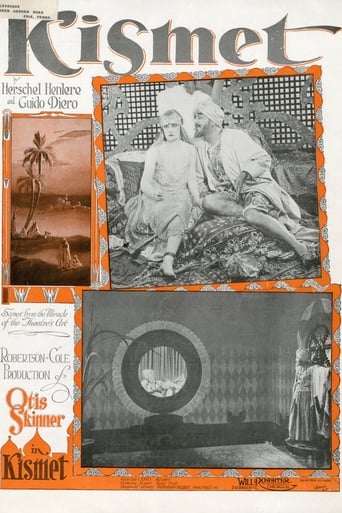
- Breakthrough role in 'Kismet' (1920)
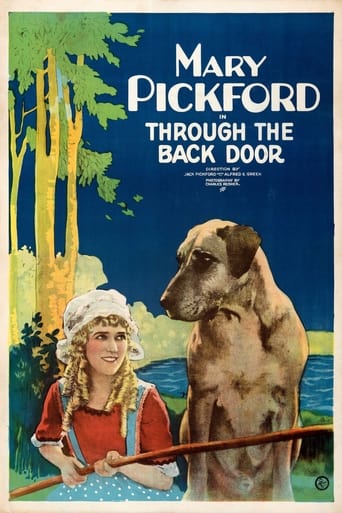
- Starred in 'Through The Back Door' with Mary Pickford (1921)
- Leading lady status throughout the mid-1920s
- Marriage to actor William Boyd (1926-1936)
Best Known For
Iconic Roles
Must-See Films
Working Relationships
Worked Often With
Studios
Why They Matter
Impact on Culture
Elinor Fair represents the archetype of the silent film actress whose career was unable to survive the transition to sound. Her story illustrates the precarious nature of stardom during Hollywood's transitional period, where even established performers could find themselves obsolete overnight. Fair's work in the early 1920s contributed to the golden age of silent cinema, and her films remain valuable artifacts of that era. Her marriage to William Boyd also provides insight into the personal lives of Hollywood stars during the studio system era.
Lasting Legacy
Though largely forgotten today, Elinor Fair's legacy endures through her surviving film works, which are occasionally screened at silent film festivals and archives. Her career serves as a case study in the challenges faced by silent film actors adapting to new technologies and audience expectations. Fair's story is representative of hundreds of actors from her era who achieved fame but were unable to sustain their careers through Hollywood's evolution. Her films, particularly those from her peak years in the early 1920s, continue to be studied by film historians and enthusiasts of silent cinema.
Who They Inspired
Fair's influence was primarily limited to her contemporaries in the silent film industry, where she was respected for her professional demeanor and reliable performances. She did not significantly influence later generations of actors due to the limited preservation and circulation of her work. However, her career trajectory influenced understanding of the transitional period from silent to sound films, serving as an example of the difficulties many actors faced during this technological and artistic revolution in cinema.
Off Screen
Elinor Fair's personal life was marked by her high-profile marriage to actor William Boyd, who would later achieve fame as Hopalong Cassidy. The couple married in 1926 and their relationship was heavily covered by Hollywood gossip columns. Their marriage was tumultuous and they divorced in 1936, with Fair reportedly receiving a substantial settlement. After her divorce and declining film career, Fair largely withdrew from public life. She never remarried and had no children. Her later years were spent in relative obscurity in California, struggling with health issues before her death from undisclosed causes.
Education
Limited information available about her formal education, though she likely received some training in dramatic arts to prepare for her film career
Family
- William Boyd (1926-1936)
Did You Know?
- Born Eleanor Ruth Van Court, she changed her name to the more marketable 'Elinor Fair' for her film career
- She stood 5'3" tall and was known for her distinctive dark hair and expressive features
- Her film 'Through The Back Door' (1921) was a Mary Pickford production, though Fair played a supporting role
- Fair was one of many silent film actors who struggled with the transition to 'talkies' in the late 1920s
- Her divorce from William Boyd was considered scandalous at the time and received significant media attention
- She made only a few sound films, none of which were particularly successful
- Fair was often typecast as the 'other woman' or romantic rival in her films
- She retired from acting before turning 30, relatively young for a film career
- Many of her silent films have been lost to time, a common fate for movies from that era
- She lived her final years in Woodland Hills, California, near the Motion Picture & Television Country House
In Their Own Words
No documented famous quotes from Elinor Fair survive, as was common for many supporting actors of the silent era who rarely gave interviews or made public statements
Frequently Asked Questions
Who was Elinor Fair?
American silent film actress active during the early 1920s, known for her roles in films like 'Kismet' (1920) and 'Through The Back Door' (1921). She was married to actor William Boyd and struggled to transition to sound films, leading to her early retirement from acting.
What films is Elinor Fair best known for?
Titles linked here include The End of the Game (1919), Kismet (1920).
When was Elinor Fair born and when did she die?
Born December 21, 1903; died April 26, 1957.
What awards did Elinor Fair win?
Elinor Fair did not receive any major awards or nominations during her career. Like many actors of her era, particularly those in supporting roles, formal recognition was limited compared to modern award systems.
What was Elinor Fair's acting style?
Fair was known for her naturalistic style for the silent era, relying on subtle facial expressions and graceful movements rather than exaggerated gestures. She had particular skill with her expressive eyes and maintained a delicate screen presence throughout her career.
Why did Elinor Fair's career end?
Fair's career ended primarily due to her inability to successfully transition to sound films in the late 1920s and early 1930s. Like many silent film actors, her voice and acting style didn't translate well to talkies, and she made only a few unsuccessful sound films before retiring.
Was Elinor Fair married?
Yes, Elinor Fair was married to actor William Boyd, who later became famous as Hopalong Cassidy. They married in 1926 and divorced in 1936 after a highly publicized and contentious separation.