Kismet
"A Baghdad beggar schemes for palace power"
Keys: Space play/pause · ←/→ 10s · F fullscreen · M mute · </> speed
About this film
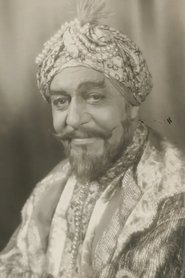
Hajj, a rascally beggar on the periphery of the court of Baghdad, schemes to marry his daughter to royalty and to win the heart of the queen of the castle himself.
Cast & crew
More films like this

More from Louis J. Gasnier
View all →
More about this film
About the production
Release dateDecember 19, 1920
Box officeUnknown
ProductionFamous Players-Lasky Corporation, Paramount Pictures
Filmed inParamount Studios, Hollywood, California
This film was adapted from Edward Knoblock's popular 1911 stage play of the same name, which had been a major theatrical success. Otis Skinner, who had originated the role of Hajj on Broadway, reprised his performance for this silent film version, bringing theatrical gravitas to the production. The film featured elaborate sets and costumes designed to evoke an exotic vision of ancient Baghdad, typical of the Orientalist aesthetic popular in early Hollywood productions. The production utilized the full resources of Paramount's studio facilities to create the opulent palace scenes and bustling marketplace sequences.
Themes
Fate vs. Free WillSocial MobilityLove and RomanceDeception and TruthParental Sacrifice
Themes & topics
beggarBaghdadroyal courtschemesarranged marriagequeendisguisefatesocial climbingOrientalism
Historical background
Silent-era audiences encountered Kismet around 1920, as studios refined cross-cutting and star-driven storytelling.
Why this film matters
Kismet shows how silent filmmakers conveyed plot through gesture, title cards, and editing.
Making of
The production benefited from Otis Skinner's deep familiarity with the material, having performed the role hundreds of times on stage. His theatrical experience helped bridge the gap between stage acting and the emerging art of cinema, particularly in conveying the character's wit and charm without dialogue. The film's sets were constructed on Paramount's largest soundstages, with the palace scenes requiring extensive decoration and props to create the illusion of Arabian luxury. Costume designers researched historical Middle Eastern garments while adapting them for the romanticized vision expected by 1920s audiences. The filming process was relatively straightforward for the era, with Gasnier focusing on capturing Skinner's stage performance style for the camera. The production team worked closely with Skinner to ensure that the nuances of his celebrated stage performance translated effectively to the silent medium.
What critics said
Press notices for Kismet (1920) are sparse in digitized sources; interest today rests on preserved prints and comparison with related titles.
Did you know?
- Otis Skinner was 61 years old when he played the beggar Hajj, having originated the role on Broadway at age 52
- This was one of the earliest film adaptations of a major Broadway hit, predating the more common practice of the 1930s and beyond
- The film's success led to Skinner recreating his role in a 1930 sound film version
- Edward Knoblock's stage play was so popular that it ran for 336 performances on Broadway and was revived multiple times
- The story's exotic setting and themes of fate and destiny resonated with post-WWI American audiences seeking escapist entertainment
- Rosemary Theby, who played the Queen, was especially prolific actresses of the silent era, appearing in over 200 films
- The film's title 'Kismet' comes from the Turkish and Persian word meaning fate or destiny, a central theme of the story
- This version is now considered a lost film, with no known surviving copies in any film archive
- Director Louis J. Gasnier was better known for his work on serials and B-movies, making this one of his more prestigious assignments
- The film's release coincided with a peak period of American interest in Orientalist themes and exotic settings
Visual style
The cinematography by Charles J. Stumar employed the sophisticated techniques emerging in the early 1920s, including careful lighting to create dramatic shadows and highlights that enhanced the exotic atmosphere. The film utilized multiple camera setups for the palace scenes, allowing for more dynamic compositions than typical stage adaptations. Stumar employed soft focus techniques for romantic scenes and sharper focus for moments of intrigue and scheming. The marketplace sequences featured moving camera shots that created a sense of bustling activity and energy. The cinematography emphasized the contrast between the opulent palace interiors and the dusty streets where Hajj plied his trade, visually reinforcing the film's themes of social stratification. Lighting was particularly important in creating the film's Orientalist aesthetic, with dramatic shadows and golden tones that suggested an exotic, timeless quality.
Innovations
While not groundbreaking in technical innovation, 'Kismet' demonstrated the sophisticated production techniques that had become standard by 1920. The film featured elaborate set design and construction, with the palace interiors requiring complex architectural elements and decorative details. The costume department created numerous elaborate outfits that reflected the film's Orientalist aesthetic while allowing for the freedom of movement necessary for silent film acting. The production utilized the full range of special effects available at the time, including dissolves, superimpositions, and matte shots to create magical or dreamlike sequences. The film's editing employed the continuity techniques that had become standard in Hollywood by this period, creating smooth narrative flow between scenes. The production also demonstrated advanced lighting techniques for the era, with careful attention to creating mood and atmosphere through artificial lighting.
Music
As a silent film, 'Kismet' would have been accompanied by live musical performance during its theatrical run. The score would have been compiled from various classical pieces and popular songs of the era, with theater organists or small orchestras providing accompaniment. The music likely included pieces with Middle Eastern or exotic themes to enhance the film's Orientalist atmosphere. Paramount may have distributed suggested musical cue sheets to theaters to ensure consistency in the viewing experience. The romantic scenes would have been accompanied by sweeping, melodic pieces, while moments of intrigue and scheming would have featured more dramatic, tension-building music. The absence of dialogue made the musical accompaniment crucial in conveying emotion and advancing the narrative, with the score serving as an essential storytelling element alongside the visual performances.
Famous quotes
Destiny is a strange thing, my daughter. It makes a beggar a king and a king a beggar." - Hajj
In Baghdad, even the dust has stories to tell." - Hajj
A clever man can turn fate into a servant rather than a master." - Hajj
Memorable scenes
- The opening marketplace scene where Hajj demonstrates his cleverness by outwitting merchants and authorities simultaneously, establishing his character as a resourceful anti-hero
- The palace ball sequence where Hajj, disguised as a wealthy merchant, navigates court politics while pursuing his romantic interest in the Queen
- The emotional confrontation between Hajj and his daughter Marsinah when she learns of his schemes to marry her to royalty
- The climactic scene where Hajj must choose between his own ambitions and his daughter's happiness, revealing his true character
What audiences thought
The film was well-received by audiences of its time, particularly those familiar with Otis Skinner's celebrated stage performance. Contemporary theater-goers were eager to see Skinner recreate his most famous role on screen, and the film drew substantial crowds in major cities. The exotic setting and romantic storyline appealed to post-WWI audiences seeking entertainment and escapism. While exact box office figures are not available, trade publications reported strong attendance, particularly in urban areas where the original stage play had been popular. Audience letters to film magazines of the era frequently mentioned Skinner's performance as the film's main attraction, with many expressing satisfaction that his theatrical charisma translated effectively to cinema. The film's success helped establish the viability of adapting popular stage works for the screen, encouraging studios to pursue similar projects in the early 1920s.
Film connections
Influenced by
- Edward Knoblock's 1911 stage play 'Kismet'
- Arabian Nights tales
- Orientalist literature and art
- Broadway theatrical traditions
This film influenced
- Kismet (1930)
- Kismet (1944 musical)
- The Thief of Bagdad (1924)
- Arabian Nights adaptations
Film restoration
Lost film - No known surviving copies exist in any film archive or private collection. The film is considered completely lost, along with many other silent era productions.
Where to watch
- Not available - The film is considered lost and no viewing copies are known to exist in any archive or collection