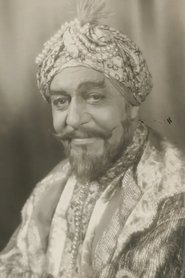
Otis Skinner
Actor
Born: June 28, 1858 in Cambridge, Massachusetts, USA Died: January 4, 1942 Active: 1877-1942
Films
1 film
About Otis Skinner
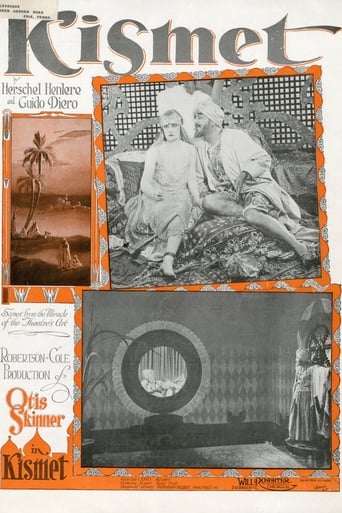
Otis Skinner was American stage actors of the late 19th and early 20th centuries, whose commanding presence and versatility made him a theatrical legend. Born in Cambridge, Massachusetts, he began his career on the stage in 1877 and quickly rose to prominence through his remarkable performances in both classical and contemporary productions. Skinner became particularly famous for his portrayal of exotic and romantic characters, most notably Hajj in the stage version of Kismet, a role he would later reprise in the 1920 film adaptation. His stage over five decades, during which he performed in countless productions across America and Europe, earning critical acclaim for his powerful voice, magnetic stage presence, and ability to completely transform into his characters. Despite being primarily a stage actor, Skinner made a significant impact on early cinema with his performance in Kismet (1920), bringing his theatrical expertise to the silent screen. He was also a respected author, penning several books about his experiences in the theater and his philosophy of acting. Skinner's legacy extends beyond his own performances through his daughter, Cornelia Otis Skinner, who became a renowned actress and author in her own right.
The Craft
On Screen
Skinner was known for his grand, theatrical style characteristic of the 19th-century stage tradition, featuring powerful vocal projection, elaborate gestures, and intense emotional expression. His technique combined classical training with naturalistic elements, allowing him to excel in both Shakespearean roles and contemporary dramas. He possessed remarkable versatility, able to portray everything from tragic heroes to comic characters with equal skill, and was particularly noted for his ability to create authentic exotic characters through detailed physical and vocal transformations.
Milestones
- Stage debut in 1877
- Breakthrough role in 'The Merchant of Venice' (1880s)
- Legendary performance as Hajj in 'Kismet' on Broadway
- Film debut in 'Kismet' (1920)
- Published autobiography 'Footlights and Spotlights' (1924)
- Received honorary Doctor of Letters degree from Harvard University (1934)
- Final stage performance in 1937
Best Known For
Iconic Roles
Must-See Films
Accolades
Won
- Harvard University honorary Doctor of Letters (1934)
Special Recognition
- One of the founding members of The Players Club
- Inducted into the American Theatre Hall of Fame
- Namesake of the Otis Skinner Memorial Theatre at Harvard University
Working Relationships
Worked Often With
Studios
Why They Matter
Impact on Culture
Otis Skinner played a pivotal role in American theater history, helping to bridge the gap between 19th-century theatrical traditions and modern acting styles. His performances in exotic roles like Hajj in Kismet introduced American audiences to more diverse cultural narratives and helped establish a more sophisticated approach to character acting on the American stage. Skinner's success demonstrated that American actors could achieve international acclaim without European training, contributing to the development of a distinctly American theatrical identity. His transition from stage to early film represented the broader movement of theatrical talent into cinema during the silent era.
Lasting Legacy
Skinner's lasting legacy lies in his contribution to American theatrical arts and his role in elevating the standards of professional acting in the United States. His detailed approach to character development and his ability to maintain authenticity across different genres influenced generations of performers who followed. Through his writings and teachings, he helped codify acting techniques that would later be adapted for both stage and screen. The continued reverence for his work in theatrical circles and the preservation of his performances in film ensure that his impact on performing arts remains relevant to contemporary actors and scholars.
Who They Inspired
Skinner influenced countless actors through his example of dedication to craft and his innovative approach to character creation. His method of combining classical technique with emotional naturalism prefigured later developments in American acting, including the Method approach that would emerge in the 1930s and 1940s. His success in both serious drama and comedy demonstrated the value of versatility for professional actors, a lesson that continues to influence theatrical training today. Many prominent actors of the early 20th century cited Skinner as an inspiration for their own careers, particularly his ability to maintain artistic integrity while achieving commercial success.
Off Screen
Otis Skinner led a relatively private personal life despite his public fame. He married Maud Durbin in 1895, who was also an actress, and they had one daughter together, Cornelia Otis Skinner, who would follow in her parents' theatrical footsteps. The family maintained homes in both New York and Massachusetts, and Skinner was known for his intellectual pursuits outside of acting, including writing and collecting rare books. He was deeply involved in theatrical organizations and mentored many young actors throughout his career.
Education
Self-taught actor, received formal education at Boston Latin School and Harvard University (did not graduate)
Family
- Maud Durbin (1895-1936)
Did You Know?
- Was one of the highest-paid actors of his time, earning up to $3,000 per week
- Spoke fluent French and performed in Paris theaters
- Was a founding member of the Actors' Equity Association
- His daughter Cornelia wrote a bestselling book about their family life called 'Our Hearts Were Young and Gay'
- Maintained an extensive collection of theatrical memorabilia
- Was known for his meticulous research for each role
- Once performed 12 different roles in a single season
- His performance in Kismet ran for over 400 performances on Broadway
- Was offered knighthood by a European ruler but declined
- Served as president of the Actors' Fund of America
In Their Own Words
The stage is not merely a meeting place of all the arts, but is also the return of art to life.
An actor must be a student of human nature in all its phases.
The greatest art is the art of being natural.
Success in the theater requires the patience of a saint and the persistence of a devil.
Every role is a new life to be lived, not merely a part to be played.
Frequently Asked Questions
Who was Otis Skinner?
Otis Skinner was one of America's most celebrated stage actors of the late 19th and early 20th centuries, known for his powerful performances in both classical and contemporary plays. He achieved particular fame for his role as Hajj in Kismet, which he performed both on stage and in the 1920 film adaptation. Skinner's active years covered over five decades and he was considered one of the greatest American actors of his generation.
What films is Otis Skinner best known for?
Titles linked here include Kismet (1920).
When was Otis Skinner born and when did he die?
Born June 28, 1858; died January 4, 1942.
What awards did Otis Skinner win?
Otis Skinner received an honorary Doctor of Letters degree from Harvard University in 1934, recognizing his contributions to American theater. He was also inducted into the American Theatre Hall of Fame and had a theater at Harvard named in his honor. While formal acting awards were less common during his active years, these honors reflect the high esteem in which he was held by his contemporaries and institutions.
What was Otis Skinner's acting style?
Skinner's acting style combined the grand, theatrical techniques of 19th-century stage performance with emerging naturalistic elements. He was known for his powerful voice, expressive gestures, and remarkable ability to completely transform into his characters. His approach emphasized detailed character research and authentic emotional expression, making him particularly effective in both classical roles and exotic characters like Hajj in Kismet.