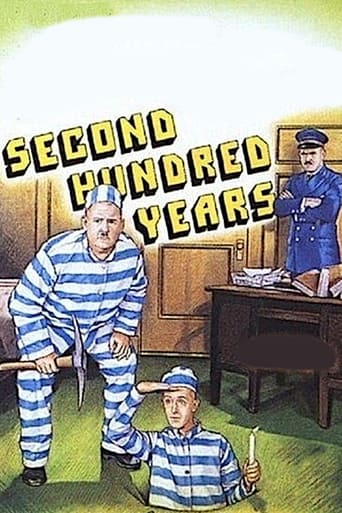
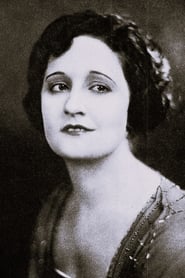
Rosemary Theby
Actor
Born: April 8, 1892 in St. Louis, Missouri, USA Died: November 10, 1973 Active: 1911-1935
Films
8 films
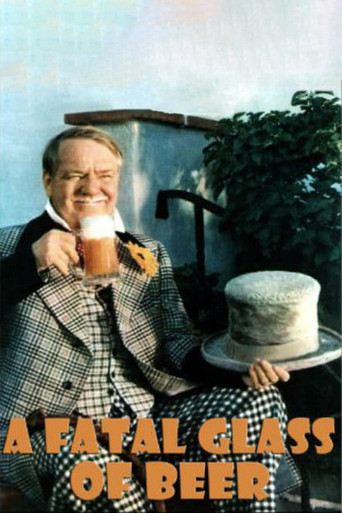
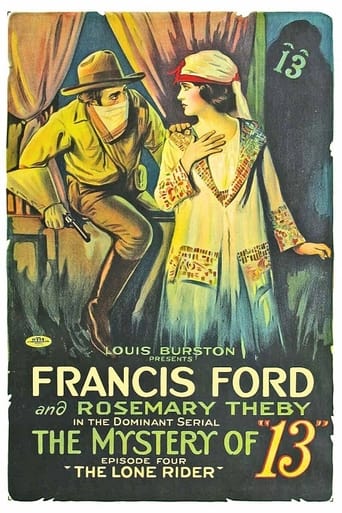
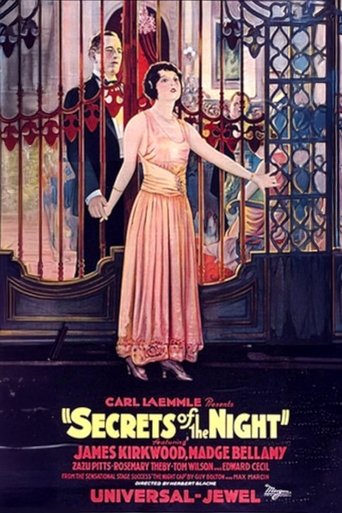
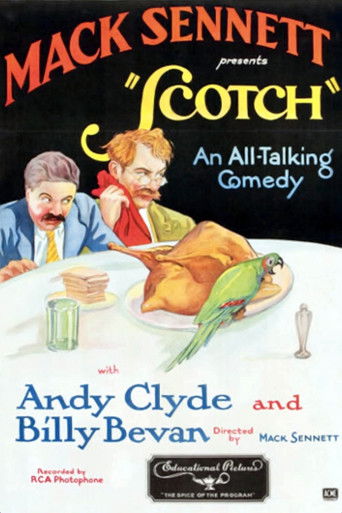
About Rosemary Theby
Prolific American actress who flourished during the silent film era and successfully transitioned into early talkies. Born in St. Louis, Missouri, she began her film career around 1911 with Vitagraph Studios and quickly established herself as a reliable character actress and leading lady. Throughout the 1910s and 1920s, she appeared in over 200 films, working with major studios including Universal, Fox, and Paramount. Theby was particularly adept at playing sophisticated women, femme fatales, and supporting characters that added depth to melodramas and comedies. Her marriage to actor-director Harry Myers in 1915 led to numerous professional collaborations, with the couple often appearing together in films. As the sound era arrived, Theby adapted her skills and continued working through the early 1930s, though her roles became smaller and less frequent. Her final film appearances came in the mid-1930s, after which she retired from acting, leaving behind a as one of cinema's most prolific character actresses.
The Craft
On Screen
Rosemary Theby was known for her versatile acting style that encompassed both dramatic and comedic roles. In silent films, she utilized expressive facial features and body language to convey complex emotions, particularly excelling in portraying sophisticated, worldly women and femme fatales. Her technique combined the melodramatic style common in silent cinema with subtle nuances that made her characters memorable. As sound films emerged, she adapted her stage presence to incorporate dialogue while maintaining her visual expressiveness.
Milestones
- Film debut with Vitagraph Studios (1911)
- Marriage to Harry Myers leading to frequent collaborations (1915)
- Transition from silent films to talkies
- Appeared in over 200 films during her career
- Notable supporting roles in major productions of the 1920s
Best Known For
Iconic Roles
Must-See Films
Working Relationships
Worked Often With
Studios
Why They Matter
Impact on Culture
Rosemary Theby represents the archetype of the prolific supporting actress who was essential to the machinery of Hollywood's golden age. While never achieving top-billed stardom, her consistent presence in hundreds of films helped define the visual language of silent cinema and early sound pictures. Her ability to seamlessly transition between genres and character types demonstrated the versatility required of character actors during this period. Theby's career trajectory also illustrates the challenges faced by many silent film actors as the industry evolved, showing how some successfully adapted while others gradually faded from prominence.
Lasting Legacy
Rosemary Theby's legacy lies in her remarkable filmography of over 200 movies, making her. Her work serves as a valuable resource for film historians studying the evolution of American cinema from the 1910s through the 1930s. While not a household name today, her performances in surviving silent films continue to be appreciated by classic cinema enthusiasts and scholars. Theby represents the countless dedicated character actors who formed the backbone of Hollywood's studio system, contributing to the success of countless productions while rarely receiving top billing.
Who They Inspired
As a working actress rather than a star, Rosemary Theby's influence was primarily through her craft and the example she set for future character actors. Her longevity in the business during a period of massive technological change demonstrated the importance of adaptability in an entertainment career. Her collaborations with comedy legends like Laurel and Hardy and W.C. Fields helped shape the visual comedy style of the era, even in supporting roles. Theby's career path influenced subsequent generations of actors who sought sustainable careers through versatility rather than stardom.
Off Screen
Rosemary Theby married actor-director Harry Myers in 1915, and their personal and professional partnership became one of Hollywood's notable working relationships of the silent era. The couple frequently appeared together in films, with Myers often directing or co-starring with Theby. Their marriage lasted until Myers' death in 1938, after which Theby largely withdrew from public life. She spent her final years in Los Angeles, where she passed away in 1973 at the age of 81, having witnessed the complete transformation of cinema from silent films to modern Hollywood.
Family
- Harry Myers (1915-1938)
Did You Know?
- Appeared in over 200 films during her 24-year career
- Was frequently typecast as a 'vamp' or femme fatale in early films
- Worked with comedy legends Laurel and Hardy in multiple films
- Her husband Harry Myers directed her in several productions
- Successfully transitioned from silent films to talkies
- Often played characters much older than her actual age
- Was one of the few actresses to work consistently through World War I
- Appeared in both dramatic and comedic films with equal success
- Worked with virtually every major comedy team of the silent era
- Her final film appearances were in the mid-1930s, after which she retired
Frequently Asked Questions
Who was Rosemary Theby?
Prolific American actress who worked in silent films and early talkies from 1911 to 1935, appearing in over 200 films and known for her versatility in playing both dramatic and comedic supporting roles.
What films is Rosemary Theby best known for?
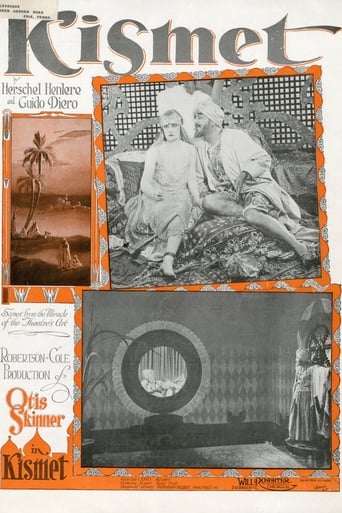
Titles linked here include Kismet (1920), The Fatal Glass of Beer (1933).
When was Rosemary Theby born and when did she die?
Born April 8, 1892; died November 10, 1973.
What awards did Rosemary Theby win?
Rosemary Theby did not receive any major formal awards or nominations during her career, which was common for character actors of the silent era and early sound period.
What was Rosemary Theby's acting style?
Theby was known for her expressive silent film technique using facial expressions and body language, excelling at portraying sophisticated women and femme fatales, and successfully adapted her style to include dialogue in talkies.
Was Rosemary Theby married?
Yes, she was married to actor-director Harry Myers from 1915 until his death in 1938, and they frequently worked together in films.
How did Rosemary Theby's career end?
Her career gradually declined in the early 1930s as she aged and the film industry changed, with her final appearances coming in the mid-1930s before she retired from acting.