Married to Order
"Brother's coat, father's eyes"
Keys: Space play/pause · ←/→ 10s · F fullscreen · M mute · </> speed
About this film
Charley Chase farce: daughter disguises as twin brother to elope past near-sighted father. Boy meets girl. Father hates boy. Girl dresses up as her brother to get out of the house to elope but the near-sighted father mistakes her for the twin brother and all chaos follows.
Cast & crew
More films like this
More Comedy films
View all →







More from Charley Chase
View all →

More about this film
About the production
Release dateMarch 1920
Box officeUnknown
ProductionComedy Film Company, Pathe Exchange
Filmed inLos Angeles, California
This was one of Charley Chase's early directorial efforts during his time with the Comedy Film Company, a subsidiary of Pathe. The film was produced during the transition period when Chase was moving from primarily acting to directing comedy shorts. The production utilized standard two-reel format common for comedy shorts of the era, allowing for a more developed plot than typical one-reel comedies.
Themes
Mistaken IdentityParental Authority vs. Young LoveGender Roles and DisguiseCourtship and MarriageFamily Conflict
Themes & topics
disguisemistaken identitygender bendingelopementfather-daughter relationshipcomedy of errorssilent comedyshort filmnear-sightednesstwin brotherchaosconfusion
Historical background
1920 placed Married to Order within United States cinema as Comedy Film Company navigated wartime markets, immigration audiences, and the shift from intertitles to sound.
Why this film matters
Archivists revisit Married to Order (1920) for Charley Chase style, genre norms at Comedy Film Company, and the exhibition context of 20 minutes programming.
Making of
The production of 'Married to Order' took place during a pivotal period in comedy filmmaking when the industry was transitioning from simple slapstick to more sophisticated narrative comedies. Charley Chase, who had begun his career as an actor with Mack Sennett, was developing his reputation as a director who could balance physical comedy with clever plotting. The casting of Oliver Hardy, who was still building his career before his partnership with Laurel, demonstrates the interconnected nature of the Hollywood comedy community of the era. The film's production would have been rapid, typical of short comedies of the period, likely filmed in just a few days on existing studio sets. The gender disguise element required careful costume design and makeup to create believable confusion while maintaining visual clarity for the audience.
What critics said
Retrospective writing on Married to Order stresses craft by Charley Chase, print survival, and repertory value rather than opening-week gross alone.
Did you know?
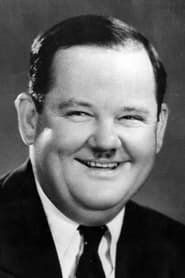
- This film represents one of the earliest collaborations between Charley Chase and Oliver Hardy, years before Hardy's famous partnership with Stan Laurel
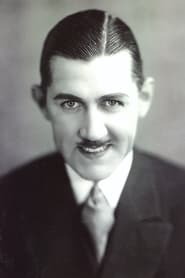
- Charley Chase both directed and starred in this film, showcasing his dual talents behind and in front of the camera
- The film was produced during the height of the gender disguise comedy trope in silent films, which was particularly popular in 1910s-1920s cinema
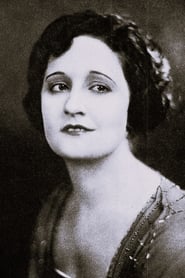
- Rosemary Theby, who plays the female lead, was a prolific silent film actress appearing in over 250 films during her career
- The near-sighted father character was a common comedy archetype in silent films, allowing for repeated visual gags based on mistaken identity
- This was released during the same year that Oliver Hardy began his partnership with Stan Laurel, though their famous teaming wouldn't become regular until several years later
- The Comedy Film Company, which produced this film, was one of many short-lived production companies that emerged during the silent era's boom
- The film's title plays on the common phrase 'made to order,' substituting 'married' for comedic effect
- Silent films of this era often relied heavily on physical comedy and visual gags due to the lack of dialogue, which this film exemplifies
Visual style
The cinematography of 'Married to Order' would have employed standard techniques for silent comedy production of the era. The film likely used static camera positions for most scenes, with occasional tracking shots to follow character movement. Lighting would have been basic studio lighting, designed primarily to ensure clear visibility rather than create artistic effects. The cinematographer would have focused on capturing the physical comedy and facial expressions crucial to silent film storytelling. Close-ups would have been used strategically to emphasize reactions to the comedic situations, particularly the confusion of the near-sighted father character. The visual composition would have been designed to clearly establish the spatial relationships necessary for the mistaken identity gags to work effectively.
Innovations
While 'Married to Order' was not groundbreaking in its technical aspects, it represents the standard professional production quality of major studio comedy shorts in 1920. The film demonstrates the efficient production methods that had been developed for short comedies, allowing for relatively quick filming while maintaining consistent quality. The use of the two-reel format (approximately 20 minutes) allowed for more complex plotting than earlier one-reel comedies, representing an evolution in narrative comedy filmmaking. The film's effective use of mistaken identity required careful editing and continuity to maintain the comedic confusion. The costume design for the gender disguise elements would have required attention to detail to create believable confusion while ensuring the audience could follow the story.
Music
As a silent film, 'Married to Order' would have been accompanied by live musical performance during its original theatrical run. The typical accompaniment would have been a piano player or small theater orchestra providing mood-appropriate music synchronized with the on-screen action. The score would have included popular songs of the era and classical pieces adapted for comedic effect. For chase sequences and moments of confusion, the music would have become more frantic and energetic. During romantic moments, more melodic and sentimental themes would have been employed. The music was crucial in establishing tone and guiding audience emotional responses, compensating for the lack of dialogue. Modern screenings of the film typically feature newly composed scores or carefully selected period-appropriate music.
Famous quotes
(As a silent film, dialogue was conveyed through intertitles and visual performance rather than spoken dialogue)
Memorable scenes
- The climactic scene where both the disguised sister and real brother appear simultaneously, causing maximum confusion for the near-sighted father and creating a frantic sequence of mistaken identities that drives the film to its comedic resolution
What audiences thought
Contemporary audiences in 1920 likely responded positively to the film's blend of physical comedy and situational humor. The mistaken identity premise was a reliable crowd-pleaser during the silent era, and the presence of recognizable comedy performers like Charley Chase and Oliver Hardy would have been a draw. The film's themes of young love versus parental authority resonated with audiences experiencing the social changes of the early 1920s. Modern audiences encountering the film through silent film festivals or archives typically appreciate it for its historical value and the opportunity to see early performances by performers who would become more famous in later years. The film's pacing and visual gags remain accessible to contemporary viewers familiar with silent comedy conventions.
Film connections
Influenced by
- Earlier Mack Sennett comedies
- Shakespearean mistaken identity plays
- French farce traditions
- Vaudeville comedy routines
- Previous gender disguise films
This film influenced
- Later Charley Chase comedies
- Other mistaken identity silent comedies
- Early Laurel and Hardy shorts
- Gender disguise comedies of the 1920s
Film restoration
The preservation status of 'Married to Order' is uncertain, as many silent era films have been lost due to the decomposition of nitrate film stock and inadequate preservation efforts in the early decades of cinema. Some archives and private collectors may hold copies, but the film is not widely available in restored formats. The film represents part of the large percentage of silent films that are either completely lost or exist only in fragmentary form. Film preservation organizations continue to search for and restore surviving prints of early comedies like this one, recognizing their historical and cultural value.
Where to watch
- Due to the age and uncertain preservation status of this film, it may not be readily available on modern streaming platforms. Potential sources for viewing include: Silent film archives and museums, Specialized silent film festivals, Private collector screenings, University film department collections, Potential inclusion in comprehensive silent film DVD/Blu-ray box sets