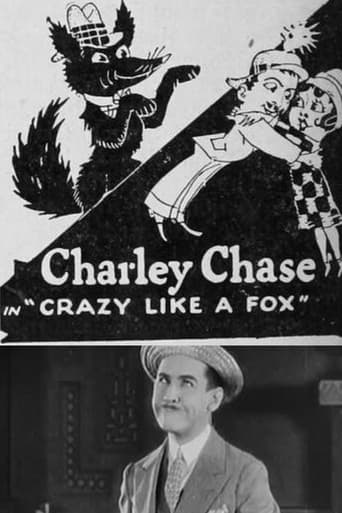
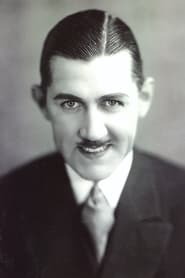
Charley Chase
Actor & Director
Born: October 20, 1893 in Baltimore, Maryland, USA Died: June 20, 1940 Active: 1912-1940 Birth Name: Charles Joseph Parrott
Films
38 films
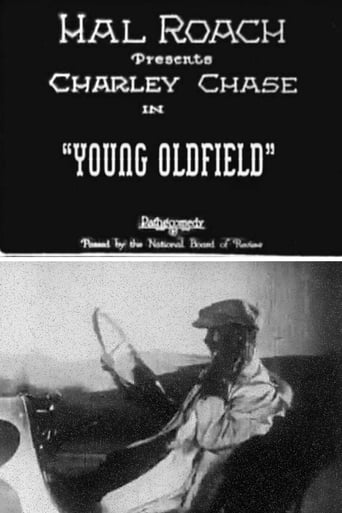
Young Oldfield
1924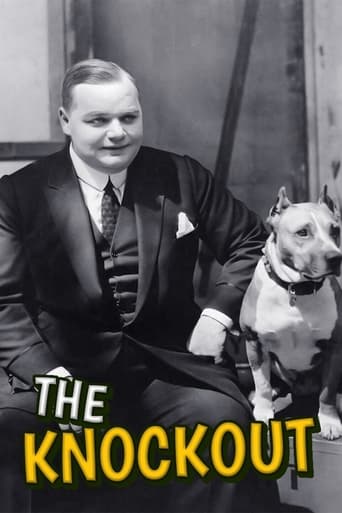
The Knockout
1914
Mabel's Blunder
1914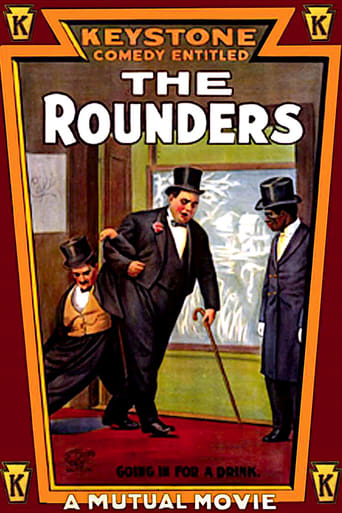
The Rounders
1914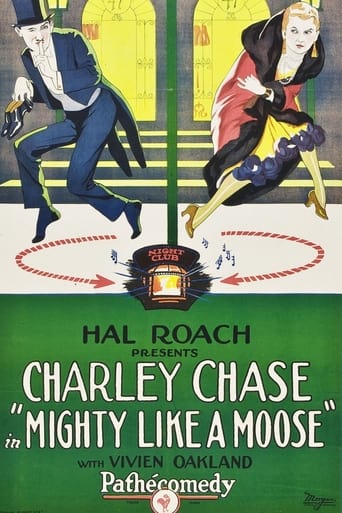
Mighty Like a Moose
1926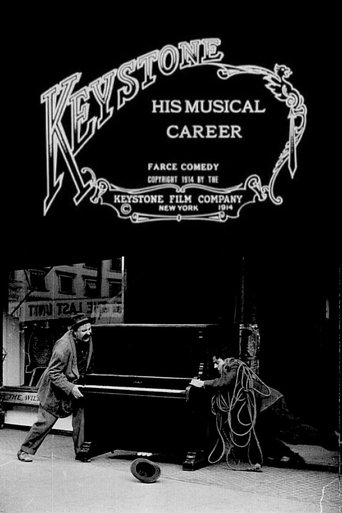
His Musical Career
1914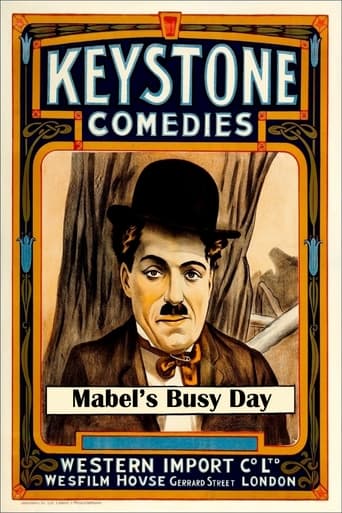
Mabel's Busy Day
1914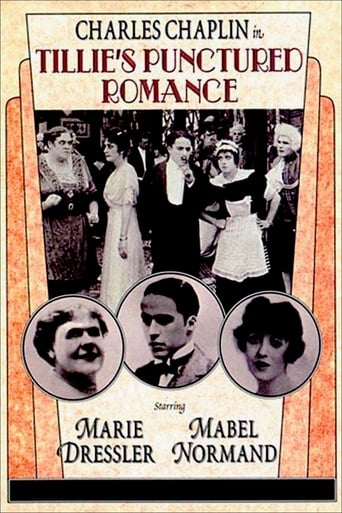
Tillie's Punctured Romance
1914
Those Love Pangs
1914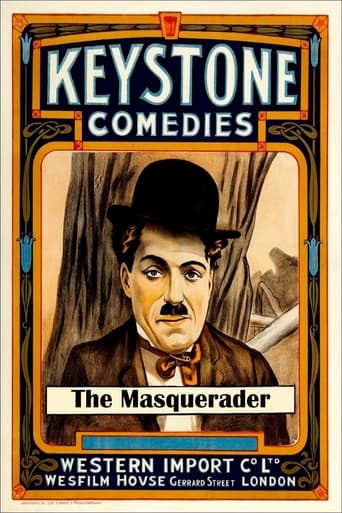
The Masquerader
1914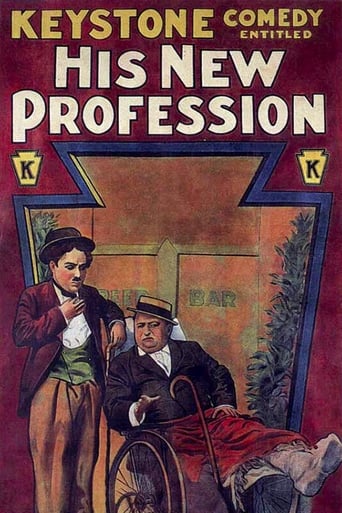
His New Profession
1914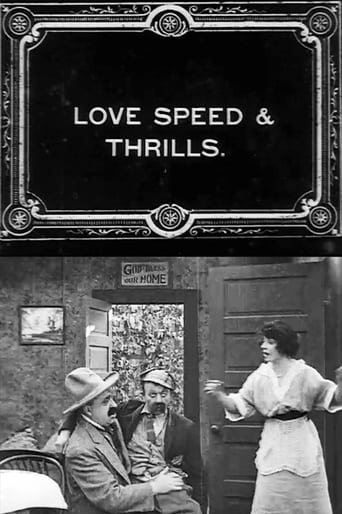
Love, Speed and Thrills
1915
Fluttering Hearts
1927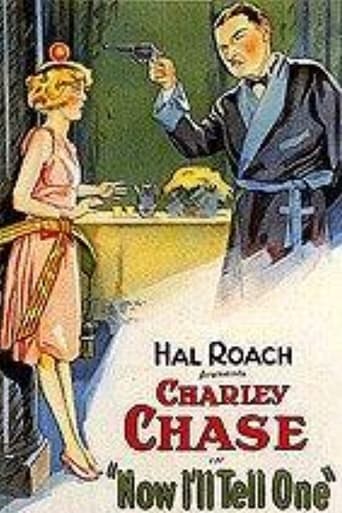
Now I'll Tell One
1927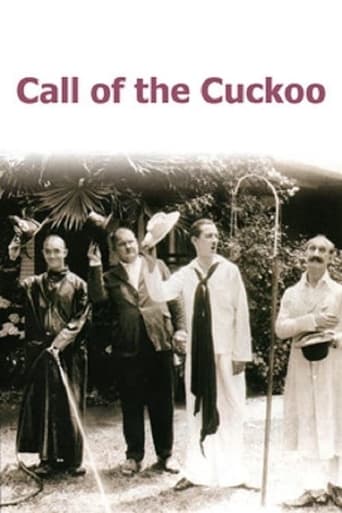
Call of the Cuckoo
1927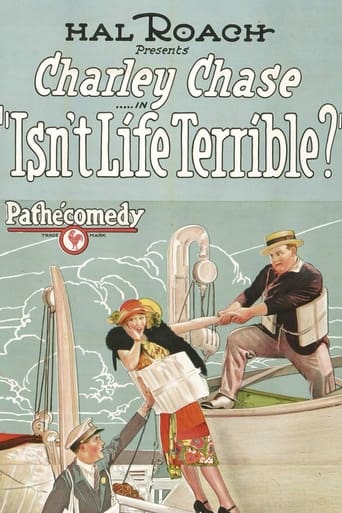
Isn't Life Terrible?
1925
All Wet
1924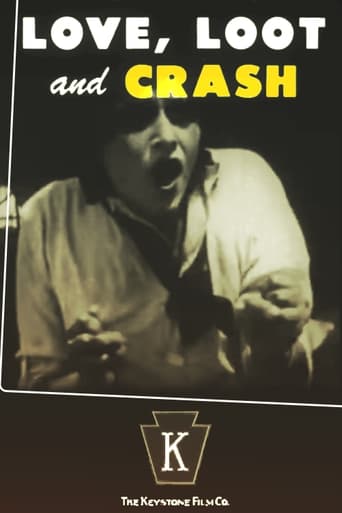
Love, Loot and Crash
1915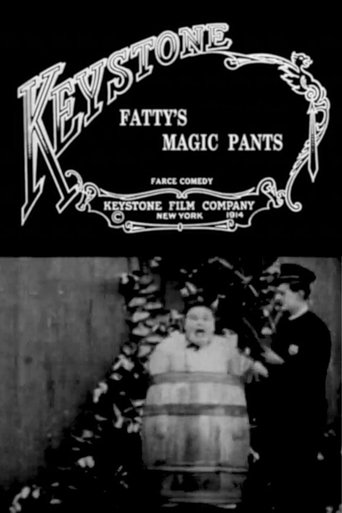
Fatty's Magic Pants
1914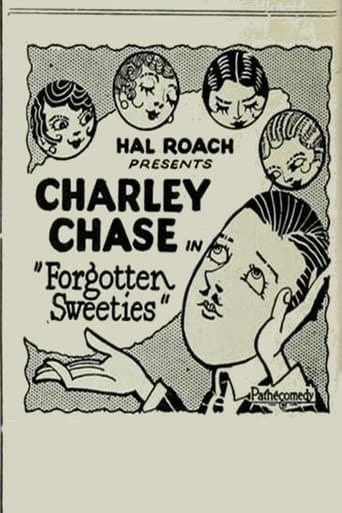
Forgotten Sweeties
1927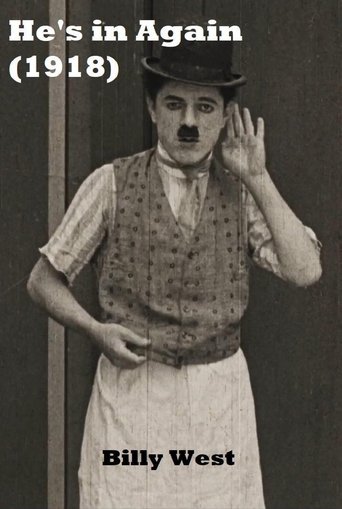
He's In Again
1918
That Little Band Of Gold
1915
Married to Order
1920
Those Country Kids
1914
Hello, Mabel
1914
Never the Dames Shall Meet
1927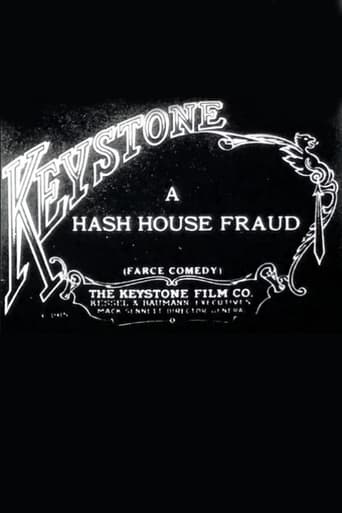
A Hash House Fraud
1915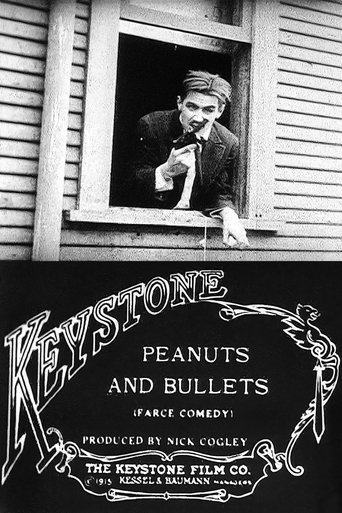
Peanuts and Bullets
1915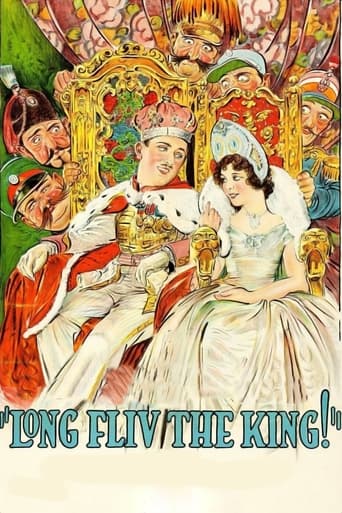
Long Fliv the King
1926
Leading Lizzie Astray
1914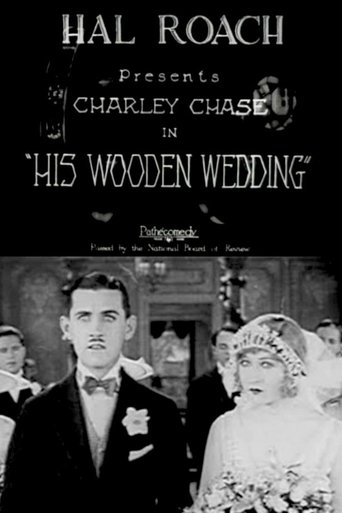
His Wooden Wedding
1925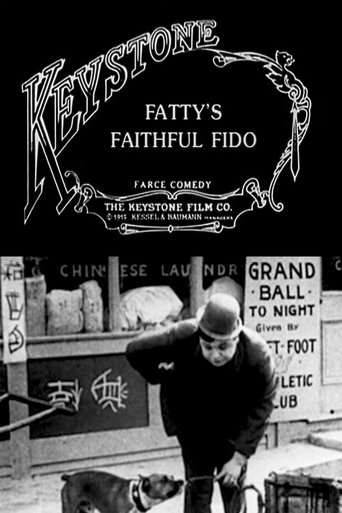
Fatty’s Faithful Fido
1915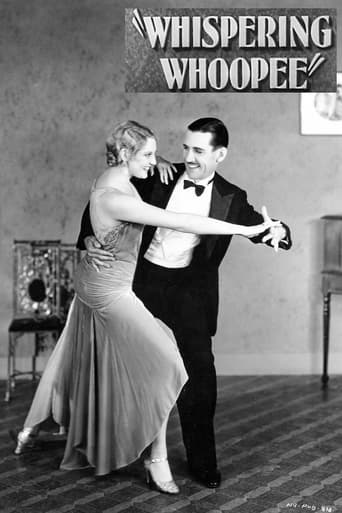
Whispering Whoopee
1930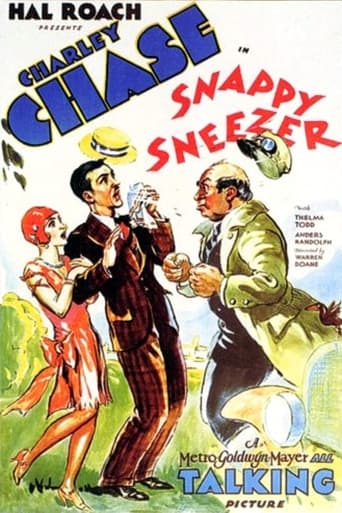
Snappy Sneezer
1929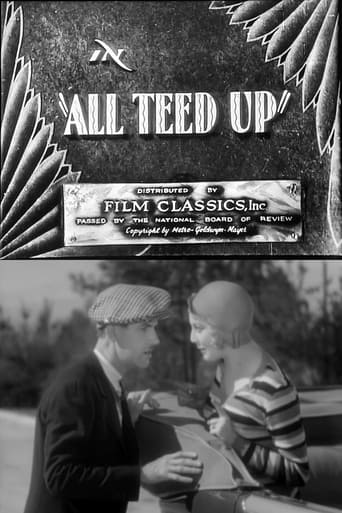
All Teed Up
1930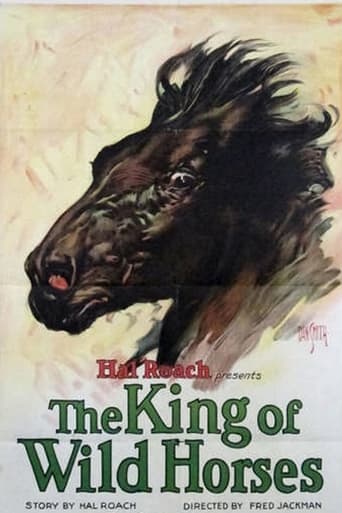
The King of the Wild Horses
1924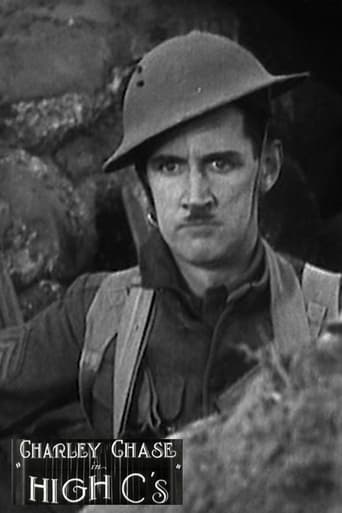
High C's
1930About Charley Chase
Charley Chase, born Charles Joseph Parrott, was a figure in American silent comedy who excelled as both actor and director. He began his career in vaudeville before transitioning to films in 1912, initially working as a writer and actor for Mack Sennett's Keystone Studios. Chase's breakthrough came when he joined Hal Roach Studios in the 1920s, where he developed his signature character of a mild-mannered but perpetually flustered everyman caught in increasingly absurd situations. As a director, he was known for his innovative gags and precise timing, directing over 200 comedy shorts throughout his career. Chase successfully transitioned to sound films, continuing to make popular comedy shorts through the 1930s until his untimely death in 1940. His dual talent as both performer and filmmaker made him versatile and influential figures in early American comedy cinema.
The Craft
On Screen
Chase specialized in playing the 'everyman' character who maintained dignity while facing increasingly ridiculous circumstances. His comedy was rooted in subtle facial expressions, exasperated reactions, and a masterful use of props. Unlike slapstick contemporaries, Chase relied more on situational comedy and character-driven humor rather than physical violence. His performances were marked by a gentlemanly quality even in chaos, creating a relatable and sympathetic figure for audiences.
Behind the Camera
As a director, Chase was known for his meticulous planning and innovative gag construction. He pioneered the use of continuity in comedy shorts, ensuring that gags built logically throughout the narrative. His directing style emphasized timing, pacing, and the careful setup of comedic situations. Chase often employed multiple camera techniques and was among the first directors to fully utilize the potential of sound in comedy films, creating audio-visual gags that enhanced rather than detracted from the visual humor.
Milestones
- Joined Mack Sennett's Keystone Studios in 1913
- Developed signature comedic character at Hal Roach Studios in 1920s
- Directed over 200 comedy shorts during his career
- Successfully transitioned from silent to sound films
- Created popular 'Charley Chase' comedy series for Roach
- Mentored numerous comedy performers including The Three Stooges
Best Known For
Iconic Roles
Must-See Films
Accolades
Won
- Star on Hollywood Walk of Fame (1960, posthumous)
Special Recognition
- Hollywood Walk of Fame Star (Motion Pictures)
- Inducted into The Comedy Hall of Fame
- Preserved films in National Film Registry (Mighty Like a Moose)
Working Relationships
Worked Often With
Studios
Why They Matter
Impact on Culture
Charley Chase significantly influenced the development of American comedy cinema, particularly in the short subject format. His work bridged the gap between the rough slapstick of early Keystone comedies and the more sophisticated character-based comedy that would dominate later decades. Chase's approach to comedy, emphasizing relatable characters in absurd situations, paved the way for future comedy stars like Jack Benny and Lucille Ball. His successful transition to sound demonstrated how comedy could evolve with technology without losing its essential appeal.
Lasting Legacy
Charley Chase's legacy endures through his extensive body of work, which continues to be studied and appreciated by film scholars and comedy enthusiasts. His films are preserved in film archives and regularly shown at classic film festivals. Chase is remembered as. His influence can be seen in the work of subsequent comedy filmmakers who adopted his character-driven approach to humor. Many of his gags and comedic situations have been referenced and homaged in later films and television shows.
Who They Inspired
Chase influenced generations of comedians and filmmakers through his innovative approach to comedy construction. His technique of building gags through logical progression rather than random slapstick became a standard in comedy filmmaking. Directors like Preston Sturges and Frank Capra cited Chase's work as influential in their development of sophisticated comedy. His everyman character archetype influenced performers from Buster Keaton to Jerry Lewis. The Three Stooges, who appeared in several Chase films, incorporated elements of his timing and gag structure into their own work.
Off Screen
Charley Chase was married twice and had three children. His first marriage to Catherine Owens ended in divorce in 1928. He later married Bebe Daniels, a fellow silent film star, in 1930, and they remained married until his death. Chase struggled with alcoholism later in his life, which affected his health and career. He died of a heart attack at age 46, leaving behind a legacy as one of silent comedy's most talented and versatile performers.
Education
Limited formal education; trained in vaudeville and theater from an early age
Family
- Catherine Owens (1916-1928, divorced)
- Bebe Daniels (1930-1940, his death)
Did You Know?
- His brother James Parrott was also a successful comedy director
- He changed his professional name to avoid confusion with his brother
- Chase wrote many of his own films under various pseudonyms
- He was one of the few silent comedians to successfully transition to sound
- His film 'Mighty Like a Moose' was selected for preservation in the National Film Registry
- Chase appeared in over 300 films during his career
- He was a skilled musician and often incorporated music into his comedy routines
- Chase was one of the highest-paid comedy stars of the 1920s
- His second wife Bebe Daniels was a major silent film star
- He directed several early films featuring The Three Stooges before they became famous
- Chase was known for his meticulous planning and often storyboarded his films in detail
- He suffered from severe insomnia, which some believe contributed to his early death
In Their Own Words
Comedy is not a man in a funny suit. It's a man in a funny situation.
The secret to good comedy is timing. The secret to great comedy is surprising timing.
I don't fall down for laughs. I fall down because the situation demands it.
Frequently Asked Questions
Who was Charley Chase?
American comedian, actor, and on YTB.my. He was known for his work with Keystone Studios and Hal Roach Studios, creating over 300 comedy shorts and establishing himself as.
What films is Charley Chase best known for?
Titles linked here include Mighty Like a Moose (1926), Crazy Like a Fox (1926).
When was Charley Chase born and when did he die?
Born October 20, 1893; died June 20, 1940.
What awards did Charley Chase win?
While Charley Chase did not receive major awards during his lifetime, he was posthumously honored with a star on the Hollywood Walk of Fame in 1960. His film 'Mighty Like a Moose' was selected for preservation in the National Film Registry, and he has been inducted into The Comedy Hall of Fame for his contributions to American comedy.
What was Charley Chase's acting/directing style?
As an actor, Chase specialized in playing the dignified everyman who maintained composure while facing increasingly ridiculous situations, relying on subtle expressions and situational humor rather than slapstick. As a director, he was known for meticulous planning, innovative gag construction, and precise timing, continuity in comedy shorts and successfully transitioning his style to sound films.