
Fatty's Magic Pants
"Pants before the party"
Keys: Space play/pause · ←/→ 10s · F fullscreen · M mute · </> speed
About this film
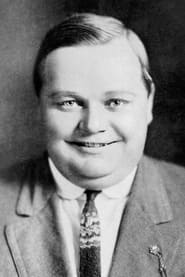
Roscoe Arbuckle wrestles into formal trousers before a society event in a Keystone one-reeler. 'Fatty' is looking forward to attending a formal occasion. But in order to go, he has to be properly dressed, and he encounters unexpected difficulties in getting himself ready.
Cast & crew
More films like this


More Comedy films
View all →







More from Roscoe 'Fatty' Arbuckle
View all →
More about this film
About the production
Release dateAugust 1914
Box officeUnknown - box office data not systematically tracked for shorts in 1914
ProductionKeystone Film Company
Filmed inLos Angeles, California, Keystone Studios, Edendale
This was one of the many comedy shorts produced rapidly during Keystone's peak production period. The film was likely shot in one or two days, as was typical for Keystone productions of this era. The 'magic pants' effect was achieved through simple physical comedy techniques rather than special effects, relying on Arbuckle's comedic timing and physical prowess.
Themes
Comedy of humiliationSocial anxietyThe battle between order and chaosClothing as identityPhysical comedy
Themes & topics
magic pantsformal occasionclothing problemsphysical comedypreparationhumiliationKeystone comedysilent filmshort filmRoscoe Arbuckle
Historical background
1914 placed Fatty's Magic Pants within United States cinema as Keystone Film Company navigated wartime markets, immigration audiences, and the shift from intertitles to sound.
Why this film matters
Archivists revisit Fatty's Magic Pants (1914) for Roscoe 'Fatty' Arbuckle style, genre norms at Keystone Film Company, and the exhibition context of 10-12 minutes programming.
Making of
The production of 'Fatty's Magic Pants' exemplified the Keystone Studios approach to comedy filmmaking in 1914. Arbuckle, who had joined Keystone in 1913, was quickly becoming one of their most valuable performers and was beginning to direct his own films. The studio operated on an assembly-line principle, producing films rapidly with minimal budgets. Arbuckle's physical comedy skills were central to the film's success - his large frame and agility made him perfect for the increasingly absurd situations with his rebellious trousers. The 'magic' effect was created through simple means: Arbuckle would manipulate the pants himself while the camera rolled, creating the illusion that they were moving independently. Minta Durfee, Arbuckle's wife, frequently appeared in his films during this period, providing a reliable supporting presence. The film was likely completed in just a few days, from conception to final cut, typical of Keystone's efficient production methods.
What critics said
Retrospective writing on Fatty's Magic Pants stresses craft by Roscoe 'Fatty' Arbuckle, print survival, and repertory value rather than opening-week gross alone.
Did you know?
- This was one of Roscoe Arbuckle's earliest directorial efforts, as he was transitioning from primarily acting to directing his own films
- The film was released during Keystone's most productive period when they were producing dozens of shorts per month
- Minta Durfee, who appears in the film, was Arbuckle's real-life wife at the time
- The 'magic pants' premise was a variation of the 'uncooperative clothing' gag that was popular in silent comedy
- This film was part of a series of 'Fatty' comedies that helped establish Arbuckle as a major comedy star
- The film was likely shot on the Keystone studio backlot, which was one of the first dedicated film studio facilities
- 1914 was the same year Charlie Chaplin joined Keystone and began developing his Tramp character
- Keystone films of this era were known for their fast-paced, chaotic comedy style that influenced generations of filmmakers
- The film's title reflects the common practice of naming comedies after the central gag or prop
- Like many Keystone shorts, this film was probably shot in sequence with minimal rehearsal
Visual style
The cinematography in 'Fatty's Magic Pants' reflects the straightforward approach typical of Keystone productions in 1914. The camera was likely stationary for most scenes, with the action taking place within the frame rather than using elaborate camera movements. The lighting would have been natural or simple studio lighting, as sophisticated lighting techniques were still developing. The film was shot in black and white on 35mm film, the standard of the era. The visual style prioritized clarity of the physical comedy over artistic composition, ensuring that Arbuckle's movements and the 'magic' of the pants were clearly visible to the audience. The framing would have been relatively wide to capture Arbuckle's full physical performance, as was common for comedy films of this period.
Innovations
While 'Fatty's Magic Pants' was not technically innovative in terms of film technology, it demonstrated clever use of simple techniques to create comedic effects. The 'magic' of the pants was achieved through physical manipulation rather than camera tricks or special effects, showcasing Arbuckle's skill as a physical comedian. The film represents the refinement of continuity editing that was developing during this period, ensuring that the increasingly chaotic action remained coherent to the audience. The production efficiency - completing a comedy short in minimal time with maximum comedic impact - was itself a technical achievement of the Keystone system. The film also demonstrates the emerging understanding of comic timing in cinema, with gags building upon each other in a carefully constructed sequence.
Music
As a silent film, 'Fatty's Magic Pants' had no synchronized soundtrack. During its original theatrical run, the film would have been accompanied by live music, typically a pianist or small theater organist who would improvise or use cue sheets to provide appropriate musical accompaniment. The music would have been upbeat and comedic, matching the on-screen action. For dramatic moments, the music might have become more romantic or serious, only to shift back to comedic timing when Arbuckle's pants began misbehaving again. Some theaters might have used compiled classical pieces or popular songs of the era. No original musical score was composed specifically for this film, as was common practice for short comedies of this period.
Famous quotes
(Silent film - no dialogue quotes available)
Memorable scenes
- The opening scene where Fatty excitedly prepares for his formal occasion, laying out his formal wear with care and anticipation. The sequence where the pants first begin to misbehave, slipping down or flying away unexpectedly while Fatty tries desperately to maintain his dignity. The climactic scene where Fatty, in a state of disarray with his rebellious trousers, finally makes it to his destination only to cause chaos among the formally dressed attendees.
What audiences thought
Audiences in 1914 generally responded positively to Arbuckle's comedies, and 'Fatty's Magic Pants' would have been no exception. The simple, visual humor was accessible to the diverse audiences of nickelodeons and early movie theaters. Arbuckle's physical comedy and likable persona made him a popular figure with moviegoers of the era. The film's premise - clothing misbehaving at an inopportune time - was a relatable situation presented in an exaggerated, comedic way that appealed to early cinema audiences. While specific audience data from 1914 is not available, the continued production of 'Fatty' shorts suggests strong audience demand for Arbuckle's work during this period.
Film connections
Influenced by
- Mack Sennett's Keystone comedy style
- French slapstick traditions
- Vaudeville comedy routines
- Earlier film comedies by Mack Sennett and Ford Sterling
This film influenced
- Later Arbuckle comedies
- Keystone films featuring clothing gags
- Chaplin's 'The Tramp' (1914) and subsequent films
- Harold Lloyd's 'Safety Last!' (1923) and other films featuring clothing mishaps
Film restoration
The preservation status of 'Fatty's Magic Pants' is uncertain. Many Keystone films from this period are considered lost or survive only in fragmentary form. The film may exist in film archives such as the Library of Congress, the Museum of Modern Art, or the British Film Institute, but access is likely limited to researchers and specialized screenings. Some Keystone comedies have been discovered and restored in recent decades, so it's possible that prints or fragments of this film may yet surface. The film was likely distributed on 35mm nitrate stock, which has deteriorated over time, making preservation challenging.
Where to watch
- Due to its age and uncertain preservation status, 'Fatty's Magic Pants' is not readily available on modern streaming platforms. Film archives and specialized silent film collections may hold copies. Occasionally, early Arbuckle films appear in DVD collections of silent comedies or are shown at silent film festivals. The film might be accessible through specialized film libraries or academic institutions with extensive silent film collections. Some public domain film websites occasionally feature rare Keystone shorts, though quality and completeness vary.