Films
4 films
About Dixie Chene
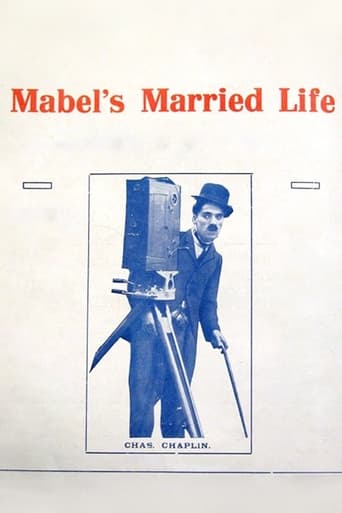
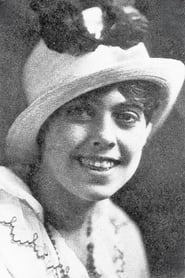
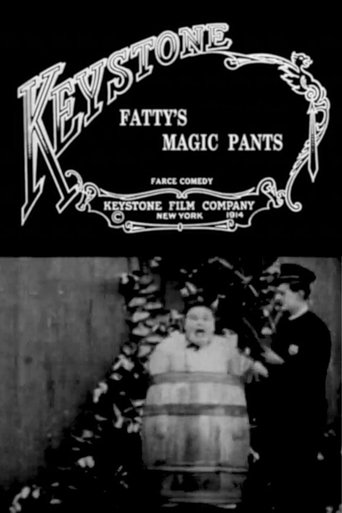
Brief but notable actress during the early silent film era, primarily active in 1914 at Keystone Studios. Dixie appears in several comedy shorts during what is now considered the golden age of silent comedy, working alongside some of the era's biggest stars including Charlie Chaplin and Roscoe 'Fatty' Arbuckle. Her most documented appearances were in 'Mabel's Married Life' (1914), where she worked with Chaplin and Mabel Normand, and 'Fatty's Magic Pants' (1914) starring Arbuckle. Like many supporting actors of the period, her career was extremely brief, lasting only about a year before she seemingly vanished from the film industry. Chene represents the countless anonymous performers who contributed to early cinema's development but whose personal histories remain largely undocumented. Her brief filmography suggests she was primarily cast in small, uncredited or minor supporting roles typical of Keystone's ensemble approach to comedy production.
The Craft
On Screen
As a supporting player in Keystone comedies, Chene likely employed the broad, physical style characteristic of the studio's approach to silent comedy, emphasizing exaggerated gestures and facial expressions to convey humor without dialogue.
Milestones
- Appeared in Keystone Studios comedies during the studio's peak creative period
- Worked with Charlie Chaplin in 'Mabel's Married Life' (1914)
- Collaborated with Roscoe 'Fatty' Arbuckle in 'Fatty's Magic Pants' (1914)
- Part of the ensemble cast during Mack Sennett's revolutionary comedy era
Best Known For
Must-See Films
Working Relationships
Worked Often With
Studios
Why They Matter
Impact on Culture
Dixie Chene's contribution to cinema represents the collective effort of countless anonymous performers who helped establish the language of film comedy during its formative years. While not individually celebrated, her work in Keystone productions contributed to the studio's revolutionary approach to visual comedy that would influence generations of filmmakers. The ensemble nature of these early comedies meant that even minor performers like Chene played integral roles in creating the chaotic, energetic atmosphere that made Keystone films distinctive and commercially successful.
Lasting Legacy
Dixie Chene's legacy exists primarily through her documented appearances in historically significant Keystone comedies that featured some of early cinema's most influential figures. While her personal story remains lost to time, her film appearances serve as valuable documentation of the collaborative nature of early film production and the important role played by supporting actors in creating the foundations of American comedy cinema. Her brief career exemplifies the transient nature of early Hollywood, where many performers appeared briefly before fading into obscurity.
Who They Inspired
As a minor performer during the early silent era, Dixie Chene's direct influence on subsequent cinema is difficult to trace. However, like all participants in Keystone's innovative comedy productions, she contributed to the development of visual comedy techniques and ensemble performance styles that would become staples of film comedy throughout the 20th century.
Off Screen
Virtually no personal information about Dixie Chene survives in historical records, which is typical for many bit players and supporting actors from the early silent era who had brief careers and were not major stars.
Did You Know?
- Appeared in films during Keystone Studios' most celebrated period under Mack Sennett
- Worked with Charlie Chaplin during his first year in American cinema
- Her career lasted approximately one year, typical of many early film extras
- Both of her documented films were comedies, reflecting Keystone's specialization
- Like many early film performers, her biographical details have been lost to history
- Her name appears in film credits but no contemporary interviews or publicity materials survive
- Representative of the anonymous workforce that built Hollywood's foundation
- Her films are now considered important artifacts of early American cinema
Frequently Asked Questions
Who was Dixie Chene?
Screen credits include Keystone Studios comedies in 1914, working with stars like Charlie Chaplin and Roscoe Arbuckle before disappearing from film records after a brief career.
What films is Dixie Chene best known for?
Titles linked here include Mabel's Married Life (1914), Fatty's Magic Pants (1914).
When was Dixie Chene born and when did she die?
Unfortunately, Dixie Chene's birth and death dates are unknown, as is common for many supporting actors from the early silent era whose biographical information has been lost to history.
What awards did Dixie Chene win?
Dixie Chene did not receive any major awards or recognition, which was typical for minor supporting actors during the early silent film period.
What was Dixie Chene's acting style?
Based on her work at Keystone Studios, she likely employed the broad, physical comedy style characteristic of the era, using exaggerated gestures and expressions typical of silent film comedy.