Harry McCoy
Actor
Born: December 10, 1889 in Philadelphia, Pennsylvania, USA Died: September 1, 1937 Active: 1914-1935 Birth Name: Harry E. McCoy
Films
19 films

Mabel's Blunder
1914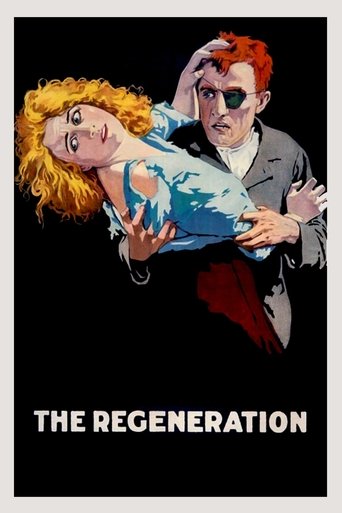
The Regeneration
1915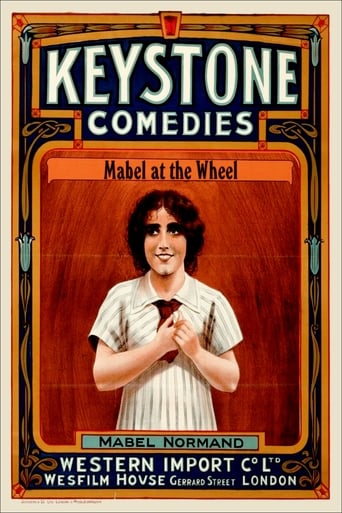
Mabel at the Wheel
1914
The Star Boarder
1914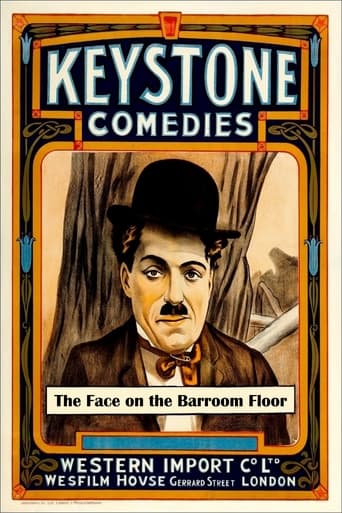
The Face on the Barroom Floor
1914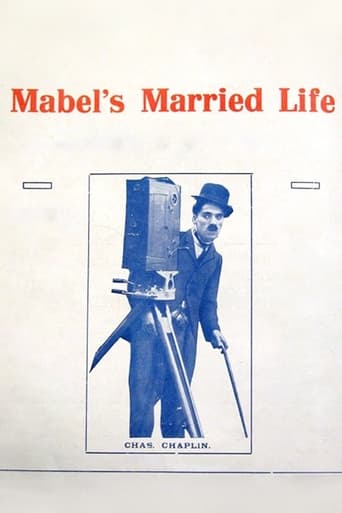
Mabel's Married Life
1914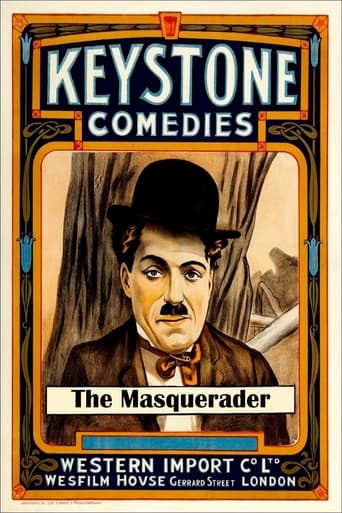
The Masquerader
1914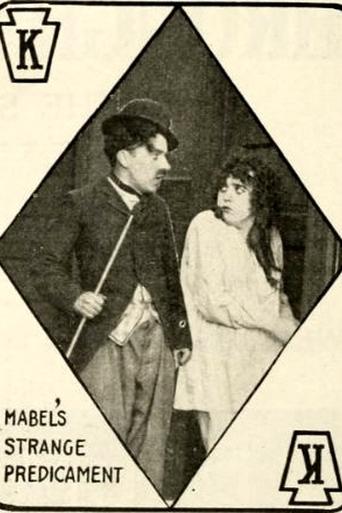
Mabel's Strange Predicament
1914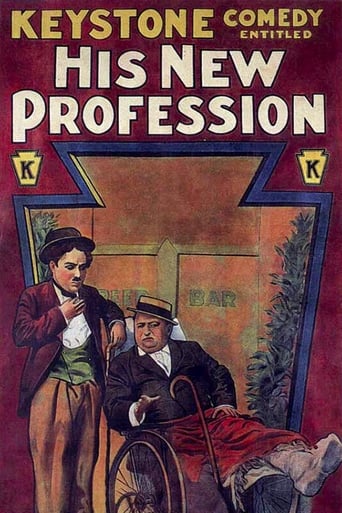
His New Profession
1914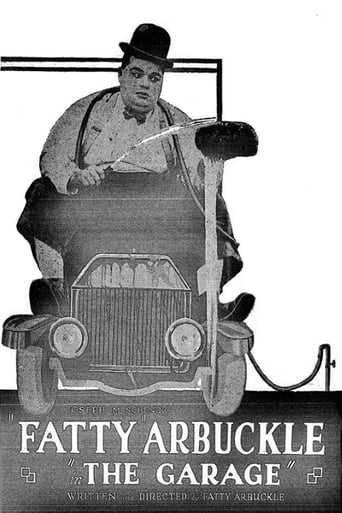
The Garage
1920
Fatty's Magic Pants
1914
Stick Around
1925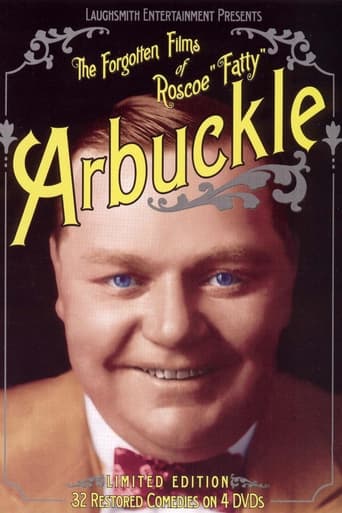
Fatty’s Chance Acquaintance
1915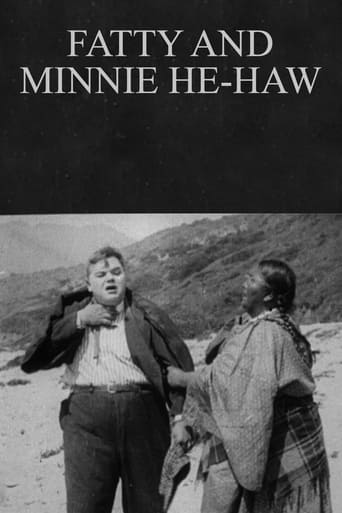
Fatty and Minnie He-Haw
1914
Hello, Mabel
1914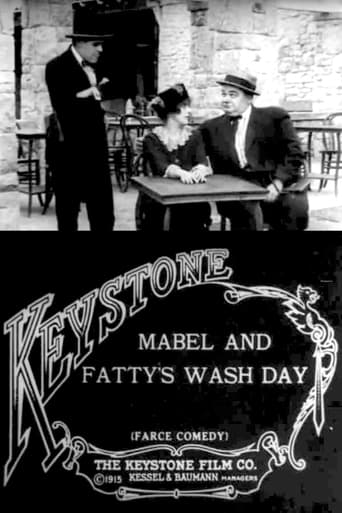
Mabel and Fatty's Wash Day
1915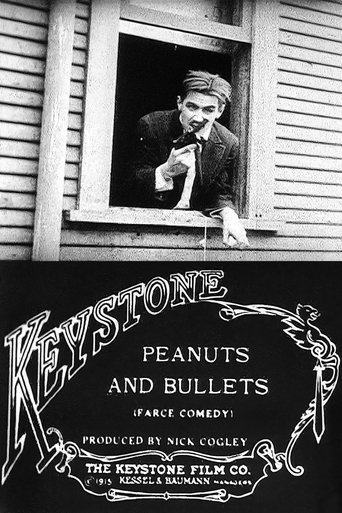
Peanuts and Bullets
1915 Fatty’s Reckless Fling
1915About Harry McCoy
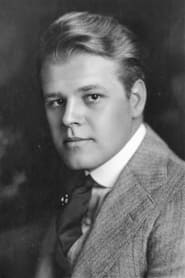
Harry E. McCoy — American actor who became a prominent figure during the silent film era, particularly known for his work with Keystone Studios in the 1910s. Born in Philadelphia in 1889, McCoy entered the burgeoning film industry in 1914 and quickly established himself as a reliable character actor, often playing villains or comic foils in Mack Sennett's comedies. Harry appears in over 150 films throughout his career, working alongside figures like Charlie Chaplin, Mabel Normand, and Roscoe 'Fatty' Arbuckle during their formative years. McCoy was particularly notable for his appearances in early Chaplin films, where his expressive face and physical comedy skills complemented the rising star's performances. As the film industry evolved through the 1920s, McCoy adapted to changing tastes by taking on more character roles, though his prominence waned with the advent of sound films. Despite his declining career in the 1930s, McCoy on early American cinema as part of the generation that established film comedy as an art form. He continued acting in smaller roles until his death in Hollywood in 1937, leaving behind a substantial body of work that represents the golden age of silent comedy.
The Craft
On Screen
McCoy specialized in physical comedy with exaggerated facial expressions and broad gestures typical of the Keystone style. He was particularly effective as a comic foil, using his lanky frame and expressive face to enhance the comedy of his scenes. His timing and ability to react to other performers made him a valuable supporting player in ensemble comedies. As his career progressed, he developed a more nuanced approach to character acting, adapting his style to fit the evolving tastes of film audiences in the 1920s.
Milestones
- Signed with Keystone Studios in 1914, appearing in numerous Mack Sennett comedies
- Worked extensively with Charlie Chaplin during Chaplin's early film period (1914-1915)
- Appeared in over 150 films during his 21-year career
- Transitioned from leading roles to character parts as the film industry evolved
- Married fellow actress Alice Howell in 1915, forming one of Hollywood's early acting couples
Best Known For
Iconic Roles
Must-See Films
Working Relationships
Worked Often With
Studios
Why They Matter
Impact on Culture
Harry McCoy played a significant role in the development of American film comedy during its formative years. As part of the Keystone Studios ensemble, he contributed to establishing the fast-paced, slapstick style that would define early Hollywood comedy. His work alongside Charlie Chaplin during Chaplin's crucial development period at Keystone provides valuable historical insight into the evolution of cinematic comedy. McCoy's ability to adapt from broad physical comedy to more nuanced character acting reflected the maturation of the film industry itself, making his career a microcosm of early Hollywood's artistic growth.
Lasting Legacy
Harry McCoy's legacy lies primarily in his extensive body of work from the silent era, which serves as a valuable record of early American comedy. His appearances in numerous Keystone productions have preserved important examples of the studio's influential comedic style for future generations of film scholars and enthusiasts. While not as famous as some of his contemporaries, McCoy's consistent performances across hundreds of films demonstrate the importance of reliable character actors in building the foundation of Hollywood's golden age. His work remains an essential part of film history, particularly for those studying the early careers of comedy legends like Charlie Chaplin.
Who They Inspired
McCoy influenced subsequent generations of character actors through his demonstration of how to effectively support comedic leads without overshadowing them. His ability to play both comic villains and sympathetic characters showed the versatility required for a successful career in supporting roles. While he didn't directly mentor famous protégés, his work ethic and adaptability during the transition from silent to sound films provided a model for other actors facing similar career challenges in the rapidly changing film industry of the 1920s and 1930s.
Off Screen
Harry McCoy married actress Alice Howell in 1915, and they became one of Hollywood's early acting couples, often appearing together in Keystone productions. Their marriage ended in divorce in 1921, after which McCoy married actress Lillian Boucher in 1922. Despite his prolific film career, McCoy maintained a relatively private personal life away from the scandals that plagued many of his contemporaries. He struggled financially in his later years as the transition to sound films diminished his career opportunities. McCoy died of a heart attack in Hollywood at the age of 47, leaving behind his second wife and a legacy of silent film performances.
Education
Limited information available about his formal education; likely entered show business through vaudeville or theater circuits before transitioning to film
Family
- Alice Howell (1915-1921)
- Lillian Boucher (1922-1937)
Did You Know?
- Appeared in over 150 films during his 21-year career, averaging more than 7 films per year
- Often credited as 'Henry McCoy' in early film credits
- Worked with Charlie Chaplin during Chaplin's first year in films (1914)
- Was one of the original members of the Keystone Studios comedy troupe
- Married fellow Keystone actress Alice Howell, though they divorced after 6 years
- Made a smooth transition from leading man to character actor as he aged
- His last film appearance was in 1935, just two years before his death
- Despite his prolific output, few of his films survive in complete form today
- Was known for his willingness to perform dangerous stunts in comedy sequences
- Often played the 'heavy' or villain in romantic comedies, a common trope of the era
Frequently Asked Questions
Who was Harry McCoy?
American He appeared in over 150 films and frequently worked alongside comedy legends like Charlie Chaplin and Mabel Normand, often playing villains or comic foils in early Hollywood comedies.
What films is Harry McCoy best known for?
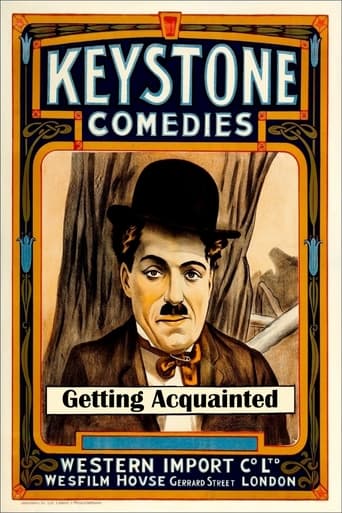
Titles linked here include Getting Acquainted (1914), Mabel's Blunder (1914).
When was Harry McCoy born and when did he die?
Born December 10, 1889; died September 1, 1937.
What awards did Harry McCoy win?
Harry McCoy did not receive any major awards during his career, which was common for character actors of the silent era. His recognition came primarily from his consistent work and the historical significance of his contributions to early American film comedy, particularly through his association with Keystone Studios.
What was Harry McCoy's acting style?
McCoy specialized in physical comedy with the exaggerated expressions and broad gestures typical of Keystone Studios productions. He was particularly effective as a comic foil and villain, using his lanky frame and expressive face to enhance comedic situations. As his career progressed, he developed a more nuanced approach to character acting, adapting to the evolving tastes of film audiences.
Did Harry McCoy work with Charlie Chaplin?
Yes, McCoy worked extensively with Charlie Chaplin during Chaplin's crucial early period at Keystone Studios in 1914-1915. He appeared in several of Chaplin's early films including 'The Star Boarder,' 'The Masquerader,' 'The New Janitor,' and 'The Champion,' often playing supporting roles that complemented Chaplin's comedic performances.
What was Harry McCoy's personal life like?
McCoy married fellow actress Alice Howell in 1915, forming one of Hollywood's early acting couples, though they divorced in 1921. He later married actress Lillian Boucher in 1922. Unlike many of his contemporaries, McCoy maintained a relatively private life away from scandal, though he faced financial difficulties in his later years as his career declined with the advent of sound films.