
His New Profession
"Charlie takes care of a man in a wheelchair"
Keys: Space play/pause · ←/→ 10s · F fullscreen · M mute · </> speed
About this film
Charlie takes care of a man in a wheelchair.
Cast & crew
More films like this


More Comedy films
View all →







More from Charlie Chaplin
View all →


More about this film
About the production
Release dateAugust 10, 1914
Box officeUnknown (detailed box office records not maintained for short films in this era)
ProductionKeystone Film Company
Filmed inLos Angeles, California, Keystone Studios, Edendale, California
This was one of Chaplin's earliest films at Keystone, made during his first year with the studio. The film was shot in just a few days, typical of Keystone's rapid production schedule. Chaplin was still developing his iconic Tramp character, and this film shows an early version before the character was fully realized. The wheelchair prop was likely a simple wooden construction, as was common for props in early comedies.
Themes
Physical disability as comedy deviceIncompetence and responsibilityClass differencesUrban vs. park lifeCaregiving challenges
Themes & topics
Historical background
Silent-era production in 1914 relied on intertitles, live accompaniment, and studio systems that were rapidly consolidating into national industries.
Why this film matters
Early works like His New Profession help map how filmmakers, exhibitors, and viewers developed the visual language of cinema during the medium's first decades. Later revivals, archive screenings, and digitization have kept such titles accessible to researchers and dedicated viewers long after their first commercial runs.
Making of
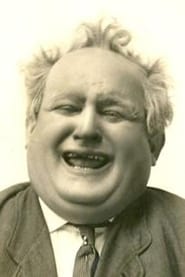
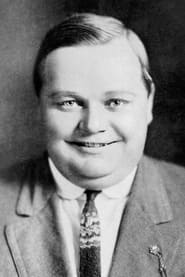
His New Profession was produced during the incredibly prolific period when Chaplin was establishing himself at Mack Sennett's Keystone studio. The production followed Keystone's typical fast-paced schedule, with films often being conceived, shot, and edited within a week. Chaplin was given increasing creative control during this period, and this film shows his emerging directorial style. The wheelchair gag was likely developed on set, as Keystone comedies often relied on spontaneous humor. Jess Dandy, the actor playing the wheelchair-bound character, was a Keystone regular who specialized in playing elderly or eccentric characters. The park scenes were probably filmed on location in the Los Angeles area, as Keystone frequently used outdoor locations to save on studio space costs.
What critics said
Trade and newspaper reviews from the silent period for His New Profession survive only in fragments, making precise reception history difficult to reconstruct. Modern assessment tends to emphasize historical value, craft, and cultural context rather than box-office performance.
Did you know?
- This was one of over 30 films Charlie Chaplin made in 1914 alone during his time at Keystone
- The film was released just months after Chaplin first appeared as the Tramp character in 'Kid Auto Races at Venice'
- Jess Dandy, who played the man in the wheelchair, was a regular supporting actor in Chaplin's Keystone films
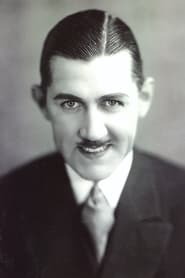
- Charley Chase, who appears in the film, would later become a famous comedy director and star in his own right
- The film was originally titled 'The Champion' in some markets, though this should not be confused with Chaplin's 1915 film of the same name
- Keystone films were typically shot in sequence with minimal rehearsal, relying heavily on improvisation
- This film showcases early examples of Chaplin's signature prop comedy, particularly his handling of the wheelchair
- The film was part of a distribution deal with Mutual Film Corporation, which handled many Keystone releases
- Chaplin was paid $150 per week at Keystone during this period, a substantial salary for the time
- The film survives today and is part of various Chaplin film collections and archives
Visual style
The cinematography in His New Profession follows the typical style of Keystone productions in 1914, featuring static camera positions and wide shots that captured the full range of physical comedy. The film was likely shot on 35mm black and white film stock standard for the period. The camera work emphasizes clarity over artistry, ensuring that Chaplin's physical gags are clearly visible to the audience. The outdoor scenes benefit from natural lighting, while interior scenes would have used the harsh artificial lighting typical of early studio productions. The film demonstrates the emerging language of cinematic comedy, with shot compositions designed to maximize the impact of physical humor.
Innovations
While not technically innovative for its time, His New Profession demonstrates the efficient production methods that made Keystone so successful. The film showcases early examples of continuity editing in comedy, ensuring that physical gags read clearly across shots. The use of location shooting in park settings was relatively advanced for 1914, as many studios were still primarily using painted backdrops. The film's preservation demonstrates the durability of early 35mm film stock when properly stored. The wheelchair prop, while simple, represents early prop comedy techniques that would become more sophisticated in later Chaplin films.
Music
As a silent film, His New Profession had no synchronized soundtrack. During its original theatrical run, the film would have been accompanied by live music, typically a pianist or small theater orchestra. The musical accompaniment would have been improvised or drawn from standard compilations of mood music appropriate for comedies. Modern restorations and releases of the film typically feature newly composed scores or period-appropriate classical music. The lack of intertitles in many of Chaplin's early films meant that the visual comedy had to carry the entire narrative, making the musical accompaniment particularly important for setting tone and rhythm.
Memorable scenes
- The chaotic park sequence where Charlie loses control of the wheelchair, leading to a frantic chase through the park grounds
- Charlie's attempts to navigate the wheelchair through obstacles, showcasing his developing physical comedy skills
- The climactic scene where multiple characters become entangled in the wheelchair mishaps, creating a crescendo of slapstick chaos
What audiences thought
Audiences in 1914 responded enthusiastically to His New Profession, as they did to most of Chaplin's Keystone comedies. The film was popular in nickelodeons and small theaters across America, where Chaplin was rapidly becoming a box office draw. Contemporary audience members particularly enjoyed the physical comedy involving the wheelchair, which was considered innovative prop humor for the time. The film helped solidify Chaplin's growing reputation as a comedy star and contributed to the increasing demand for his films. Modern audiences viewing the film through archival screenings and home media appreciate it as a fascinating look at early Chaplin work, though some of the humor may seem dated by contemporary standards.
Film connections
Influenced by
- French comedy films of Georges Méliès
- Max Linder comedies
- Mack Sennett's Keystone style
- Music hall and vaudeville traditions
This film influenced
- Later Chaplin films featuring the Tramp
- Harold Lloyd safety comedy films
- Buster Keaton's machine comedy
- The Three Stooges shorts
Film restoration
The film is preserved and available through various archives and film collections. It has been restored and is included in several Chaplin DVD/Blu-ray compilations. The film exists in reasonably good condition for its age, though some deterioration is visible in available prints. It is part of the collection at the Museum of Modern Art and other film archives dedicated to preserving early cinema.
Where to watch
- The Criterion Collection
- Kino Lorber DVD releases
- The Chaplin Revue box set
- Various streaming platforms specializing in classic cinema
- Public domain archives and websites
- Film museum screenings and retrospectives