
Films
2 films
About Peggy Page
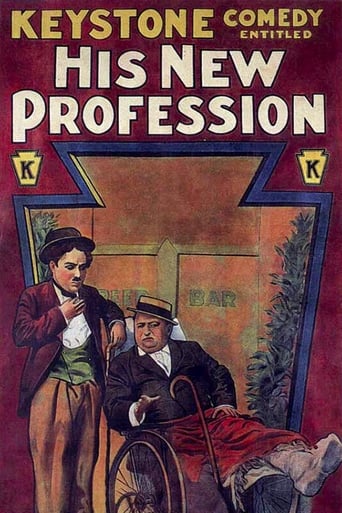
Brief but notable figure in the early silent film era, appearing in a handful of Keystone Studios productions in 1914. Her career, though extremely short, coincided with a pivotal moment in American cinema history when feature films were beginning to emerge and comedy was establishing itself as a popular genre. Page worked primarily with Mack Sennett's Keystone Studios, the comedy powerhouse that launched the careers of Charlie Chaplin, Mabel Normand, and many other silent era stars. Her most significant appearances were in 'Those Love Pangs' and 'His New Profession,' both released in 1914, where she often played supporting roles alongside emerging comedy talents. Like many actors of this period, her screen presence was characterized by the exaggerated physical comedy and broad gestures typical of early silent film acting. Her career appears to have been confined to the year 1914, after which she seemingly vanished from the film industry, a common fate for many early cinema performers who either left the business or failed to transition as the industry evolved. Despite her brief tenure, her work represents the foundational period of American comedy cinema and the collaborative nature of early filmmaking.
The Craft
On Screen
Typical of early silent era comedy with exaggerated physical gestures and broad facial expressions, emphasizing visual storytelling to convey emotion and humor without dialogue
Milestones
- Appeared in Keystone Studios comedies in 1914
- Worked alongside Charlie Chaplin in early films
- Participated in the golden age of silent comedy
- Featured in two notable 1914 short comedies
Best Known For
Iconic Roles
Must-See Films
Working Relationships
Worked Often With
Studios
Why They Matter
Impact on Culture
Peggy Page's contribution to cinema, while brief, represents the collaborative and often anonymous nature of early Hollywood filmmaking. Her work in Keystone comedies places her within the foundational period of American film comedy, helping establish the visual language and comedic timing that would influence generations of filmmakers. As part of the ensemble casts that surrounded early stars like Charlie Chaplin, she contributed to the development of the comedy short format that dominated early cinema and served as a training ground for future film techniques and storytelling methods.
Lasting Legacy
Peggy Page's legacy is primarily historical, serving as an example of the countless actors who participated in early cinema but whose names have been largely lost to time. Her appearances in documented Keystone productions provide valuable insight into the working methods and ensemble nature of early film studios. She represents the vast community of performers who helped build the foundation of Hollywood during its most experimental and formative years, even if individual recognition was limited.
Who They Inspired
Due to her brief career and supporting roles, Peggy Page's direct influence on later actors and filmmakers is difficult to trace. However, as part of the Keystone Studios system, she contributed to the development of comedy film techniques that would be refined and expanded by later generations of comedians and directors.
Off Screen
Very little is documented about Peggy Page's personal life, which was common for many early film actors who had brief careers and were not major stars. Like many performers of her era, she appears to have been part of the transient community of actors who passed through Hollywood during its formative years.
Did You Know?
- Appeared in only two known films during her entire career
- Both of her confirmed films were released in 1914
- Worked during the same period when Charlie Chaplin was developing his iconic Tramp character
- Her films were produced by Mack Sennett's Keystone Studios, the leading comedy studio of the era
- Like many early actors, her personal details remain largely undocumented
- Her active years covered less than one year, making her one of Hollywood's briefest film careers
- She was part of the ensemble cast system that characterized early studio production
- Her films are now considered important examples of early American comedy
Frequently Asked Questions
Who was Peggy Page?
American actress who worked briefly in silent films during 1914, appearing primarily in Keystone Studios comedies alongside early stars like Charlie Chaplin.
What films is Peggy Page best known for?
Titles linked here include Those Love Pangs (1914), His New Profession (1914).
When was Peggy Page born and when did she die?
Peggy Page's birth and death dates are not documented in historical records, which was common for many early film actors who had brief careers.
What awards did Peggy Page win?
Peggy Page did not receive any major awards or nominations during her brief film career in 1914.
What was Peggy Page's acting style?
Her acting style was typical of early silent comedy, featuring exaggerated physical gestures and broad facial expressions to convey humor and emotion without dialogue.
Did Peggy Page work with any famous actors?
Yes, she appeared in films with Charlie Chaplin during his early career at Keystone Studios, before he became one of cinema's most iconic stars.
Why was Peggy Page's career so short?
The reasons for her brief career are unknown, but many early film actors had short tenures due to the transient nature of the industry and limited opportunities as Hollywood evolved.