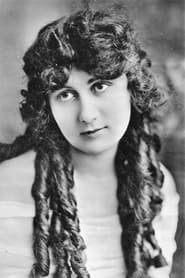
Vivian Edwards
Actor
Born: October 18, 1896 in Missouri, United States Died: December 4, 1949 Active: 1914-1915
Films
10 films




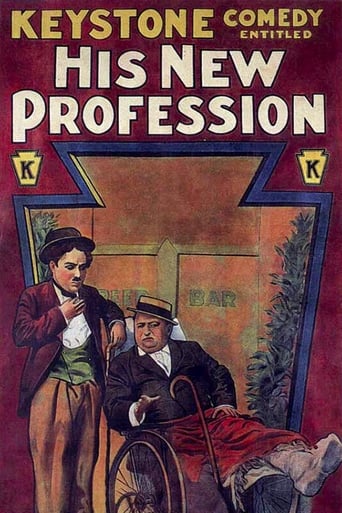

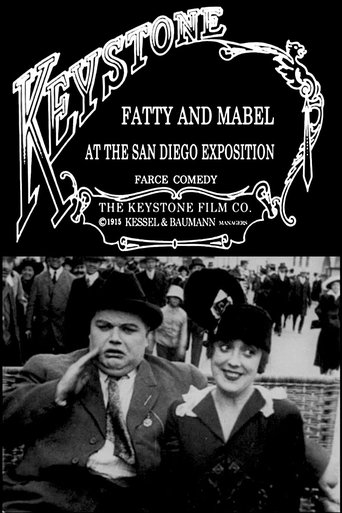
About Vivian Edwards
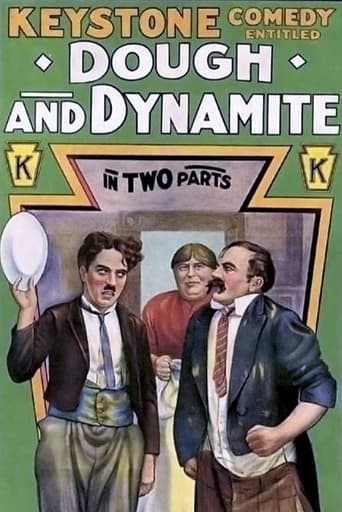
American actress who rose to prominence during the silent film era as a key member of Charlie Chaplin's ensemble at Keystone Studios. Beginning her career in 1914, she quickly became one of Chaplin's regular leading ladies, appearing in multiple short comedies that helped establish Chaplin's Tramp character. Her performances in films like 'Dough and Dynamite' and 'His Trysting Places' showcased her ability to play both romantic interests and comic foils with equal skill. Edwards worked primarily during the golden year of 1914 when Chaplin was creating his most influential early works. After her brief but impactful stint at Keystone, she married fellow actor Edward Dillon and gradually reduced her screen appearances. Though her career was relatively short-lived, spanning roughly 1914-1915, her contributions to early American comedy cinema remain historically significant. Edwards represents the talented ensemble players who were crucial to the success of silent comedy pioneers.
The Craft
On Screen
Edwards specialized in the melodramatic acting style common in silent comedies, using exaggerated gestures and facial expressions to convey emotion and humor. She was adept at playing both the romantic lead and the comic foil, often serving as the object of Chaplin's affections or the victim of his comedic mishaps. Her performances demonstrated the physical comedy skills required for Keystone's fast-paced slapstick style while maintaining the feminine charm expected of leading ladies of the era.
Milestones
- Regular Charlie Chaplin collaborator at Keystone Studios
- Appeared in 5 Chaplin films during his breakthrough year of 1914
- Member of the influential Keystone comedy troupe
- Married actor-director Edward Dillon in 1915
Best Known For
Iconic Roles
Must-See Films
Accolades
Special Recognition
- Recognized as part of Charlie Chaplin's early Keystone ensemble in film history
Working Relationships
Worked Often With
Studios
Why They Matter
Impact on Culture
Vivian Edwards played a significant role in the development of American film comedy through her work with Charlie Chaplin during his formative years at Keystone Studios. As one of Chaplin's early leading ladies, she contributed to the establishment of the Tramp character and the comedic language that would define silent comedy. Her performances helped demonstrate how female characters could function within slapstick narratives, either as romantic interests or as participants in the physical comedy. Edwards was part of the ensemble system that made Keystone Studios a powerhouse of early comedy, showing how collaborative filmmaking could produce groundbreaking entertainment. Though her individual contributions may seem modest compared to Chaplin's, she was part of the foundation upon which classic American comedy was built.
Lasting Legacy
Vivian Edwards' legacy is preserved through her appearances in some of Charlie Chaplin's most important early works, films that are studied and celebrated by film historians and comedy enthusiasts worldwide. As part of the Keystone Studios roster, she represents the countless talented performers who helped create the language of cinema comedy but whose names have been overshadowed by the stars they supported. Her work continues to be seen in film festivals, retrospectives, and educational programs about silent cinema. Edwards serves as an example of the many actresses who had brief but impactful careers during cinema's era, contributing to an art form that was still defining itself. Her marriage to Edward Dillon also connects her to the broader network of early Hollywood pioneers who shaped the industry.
Who They Inspired
While Vivian Edwards did not have a widely documented influence on other performers in the traditional sense, her work with Charlie Chaplin helped establish patterns for how female characters could function in comedy films. Her ability to switch between romantic and comic modes provided a template for subsequent comedy actresses in silent films. As part of Chaplin's early development process, she indirectly influenced the evolution of screen comedy through her collaborations with the master comedian. Her performances in these foundational films continue to be studied by those interested in the development of screen acting techniques and ensemble comedy dynamics.
Off Screen
Vivian Edwards married actor and director Edward Dillon in 1915, which coincided with the end of her most active period in films. Dillon was a prominent figure in early Hollywood, having worked extensively with D.W. Griffith at Biograph Studios before transitioning to directing. Their marriage represented a common pattern in early Hollywood where actresses often married industry figures. After marrying, Edwards largely retired from acting to focus on family life, though she occasionally appeared in smaller roles. The couple remained married until Dillon's death in 1927. Edwards lived out her later years in California, away from the Hollywood spotlight that had briefly shone on her during the early days of cinema.
Education
No formal acting education documented, typical of early silent film actors who learned on the job
Family
- Edward Dillon (1915-1927, his death)
Did You Know?
- Appeared in five Charlie Chaplin films all released in the same breakthrough year of 1914
- Was part of Mack Sennett's famous Keystone Studios during its most productive period
- Her entire film active years covered barely two years but included some of cinema's most influential comedies
- Married director Edward Dillon, brother of actress Marion Dillon, in 1915
- Worked alongside other Chaplin regulars including Mabel Normand and Chester Conklin
- Her films were made when Chaplin was still developing his iconic Tramp character
- Like many silent film actors, she had no formal training but learned through practical experience
- Her performances survive in restored versions of Chaplin's early comedies
- She represents the typical Keystone actress who often played multiple roles in the same film
- Died at age 53, having lived through the transition from silent to sound films
In Their Own Words
No recorded famous quotes from Vivian Edwards, typical of supporting actors from the silent era who rarely gave interviews or had their words preserved in print
Frequently Asked Questions
Who was Vivian Edwards?
American silent film actress best known for her work with Charlie Chaplin at Keystone Studios in 1914-1915. She appeared as a leading lady in several of Chaplin's early comedy shorts during his breakthrough period.
What films is Vivian Edwards best known for?
Titles linked here include Dough and Dynamite (1914), His Prehistoric Past (1914).
When was Vivian Edwards born and when did she die?
Born October 18, 1896; died December 4, 1949.
What awards did Vivian Edwards win?
Vivian Edwards did not receive any formal awards during her career, which was typical for supporting actors in the early silent film era before major award systems were established.
What was Vivian Edwards' acting style?
Edwards employed the exaggerated, physical acting style common in silent comedies, using broad gestures and facial expressions. She was versatile in playing both romantic leads and comic characters within Keystone's fast-paced slapstick format.
Did Vivian Edwards work with other famous actors besides Chaplin?
Yes, Edwards worked with many Keystone regulars including Mabel Normand, Chester Conklin, and Mack Sennett. She later married actor-director Edward Dillon, who had worked extensively with D.W. Griffith.
Why did Vivian Edwards' career end so quickly?
Edwards' film career ended around 1915 when she married Edward Dillon. It was common for actresses in early Hollywood to retire or reduce their work after marriage, and her brief career span coincided with the typical short tenure of many Keystone players.