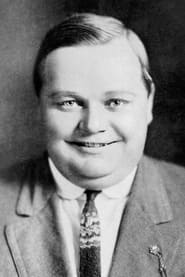
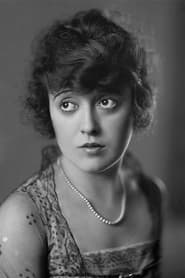

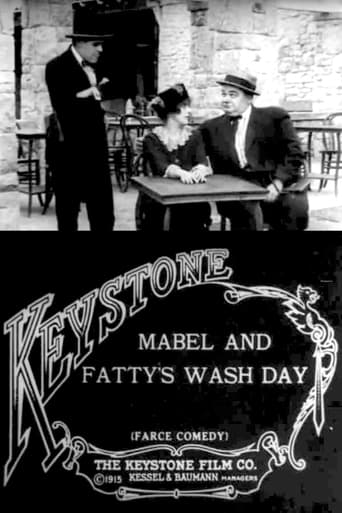
Fatty and Mabel at the San Diego Exposition
"Fatty and Mabel go to the San Diego Exposition."
Keys: Space play/pause · ←/→ 10s · F fullscreen · M mute · </> speed
About this film
Fatty and Mabel go to the San Diego Exposition.
Cast & crew
More films like this

More Comedy films
View all →







More from Roscoe 'Fatty' Arbuckle
View all →
More about this film
About the production
Release dateJuly 1915
Box officeUnknown - Keystone shorts were typically rented to theaters for $25-50 per week
ProductionKeystone Film Company, Mack Sennett Comedies
Filmed inSan Diego, California (on location at Panama-California Exposition grounds), Balboa Park, San Diego
This film was one of the earliest examples of location shooting at a major public event, capturing real crowds and authentic exposition atmosphere. The production utilized the actual Panama-California Exposition grounds, which had just opened in January 1915. The filmmakers had to work around the daily operations of the fair while filming, often shooting early in the morning before crowds arrived or incorporating real fairgoers as extras.
Themes
Romance and courtshipPublic spectacle and entertainmentComedy of errorsAmerican progress and innovationUrban modernity
Themes & topics
expositionfairgroundsslapstick comedyromantic comedylocation shootingphysical comedychase sequencemisunderstandingpublic eventsightseeing
Historical background
The 1915 release of Fatty and Mabel at the San Diego Exposition belongs to its era's exhibition habits rather than today's franchise model.
Why this film matters
Historians treat Fatty and Mabel at the San Diego Exposition as evidence of what typical 1915 audiences could see in a program slot.
Making of
The production of this film presented unique challenges as the Keystone crew had to coordinate their shooting schedule with the daily operations of the exposition. Director Roscoe Arbuckle, who was also the star, had to manage both his performance and directing duties while navigating the crowded fairgrounds. The cast and crew often had to film quickly between scheduled events or utilize the natural flow of fairgoers to create authentic crowd scenes. Mabel Normand, who was one of the few women directors and stars of the era, contributed significantly to the film's comedic timing and staging. The production team took advantage of the exposition's various attractions, including the Isthmus amusement zone and the elaborate exhibits, to create diverse visual backdrops for their comedy sequences.
What critics said
Trade papers near 1915 listed Fatty and Mabel at the San Diego Exposition as program material rather than headline art cinema.
Did you know?
- The Panama-California Exposition was a massive world's fair that ran from 1915-1917, celebrating the opening of the Panama Canal and San Diego's position as the first American port of call on the Pacific coast.
- Roscoe Arbuckle and Mabel Normand were two of the biggest comedy stars of their time, both earning around $1,000 per week at Keystone - equivalent to over $25,000 today.
- This film was shot on location, which was unusual for the time when most comedies were filmed on studio backlots.
- The exposition's Spanish Colonial Revival architecture, designed by Bertram Goodhue, served as a spectacular backdrop for the comedy.
- Joe Bordeaux, who appears in the film, was a regular Keystone player who appeared in over 200 films between 1913 and 1935.
- The film captures authentic views of the exposition that no longer exist, including many temporary structures built specifically for the fair.
- Keystone Studios often used real events and locations as backdrops for their comedies to add production value and authenticity.
- This was one of the last films Arbuckle and Normand made together before their professional relationship began to fade.
- The exposition attracted over 3.7 million visitors during its two-year run, making it especially successful world's fairs of the era.
- The film was likely shot with a single camera setup, as was typical for Keystone productions of this period.
Visual style
The cinematography, typical of Keystone productions, utilized natural lighting to capture the outdoor exposition setting. The camera work was straightforward but effective, emphasizing the physical comedy and allowing the impressive exposition architecture to serve as a visual backdrop. The cinematographer took advantage of the varied locations within the fairgrounds, from the grand plazas to the amusement zone, creating visual interest through changing environments. The use of real crowds and fairgoers added authenticity to the scenes, though the limited camera mobility of the era meant shots were generally static with movement created within the frame rather than through camera movement.
Innovations
While not technically innovative in its cinematography or editing, the film represents an important achievement in location shooting during a period when most comedies were studio-bound. The successful integration of real crowds and authentic exposition settings demonstrated the potential for using real-world events as backdrops for fictional narratives. The production also showcased the logistical capabilities of Keystone Studios to coordinate filming at a major public event, a practice that would become more common in later years.
Music
As a silent film, it would have been accompanied by live musical performance in theaters. Typical accompaniment would include piano or organ music, with popular songs of the era and comedic musical cues timed to the action. The exposition setting might have inspired the inclusion of popular fairground or carnival music themes in the accompaniment. Some theaters might have used specific musical pieces associated with the Panama-California Exposition to enhance the authentic feel of the location.
Famous quotes
Fatty: 'Isn't this wonderful, Mabel? All these people and all these things to see!' (said while causing chaos at an exhibit)
Mabel: 'Oh Fatty, you're going to get us thrown out of the exposition!' (repeated throughout the film as Fatty creates problems)
Memorable scenes
- The opening scene where Fatty and Mabel enter the exposition gates, immediately getting into trouble with Fatty's oversized hat blocking the view of other visitors
- A sequence at the Isthmus amusement zone where Fatty attempts to ride a carousel with disastrous results
- The climactic chase through the exposition's Plaza de California, with the couple being pursued by various exposition staff and offended fairgoers
What audiences thought
The film was well-received by contemporary audiences who were familiar with both the stars and the exposition itself. Fairgoers who had visited or were planning to visit the San Diego Exposition particularly enjoyed seeing the familiar attractions transformed into comedy settings. The pairing of Arbuckle and Normand was already popular with audiences, and their on-screen chemistry continued to draw viewers to theaters. The film's release during the exposition's run likely increased its appeal as viewers could recognize actual locations and events depicted in the comedy.
Film connections
Influenced by
- Keystone comedy style established by Mack Sennett
- French comedy traditions of the Pathé company
- Vaudeville performance techniques
- Stage comedy traditions of misunderstandings and coincidences
This film influenced
- Later location-based comedies using public events
- Hal Roach's Our Gang shorts that used real locations
- The Fair Co-ed (1927)
- The Expositor (1916) - another film shot at the exposition
Film restoration
The film is partially preserved with some scenes missing or deteriorated. Copies exist in several film archives including the Library of Congress and the Museum of Modern Art. Some versions are incomplete or show significant nitrate deterioration. The film has been included in several home video collections of Arbuckle and Normand's work, though quality varies depending on the source material used.
Where to watch
- Available on various public domain compilation DVDs of silent comedies
- Some versions appear on YouTube and other streaming platforms
- Included in The Arbuckle & Normand Collection DVD set
- Available through some educational film archives and libraries
- Featured in silent film festival retrospectives