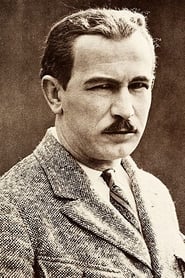
Glen Cavender
Actor
Born: September 19, 1883 in Tucson, Arizona, USA Died: February 9, 1962 Active: 1914-1926
Films
31 films
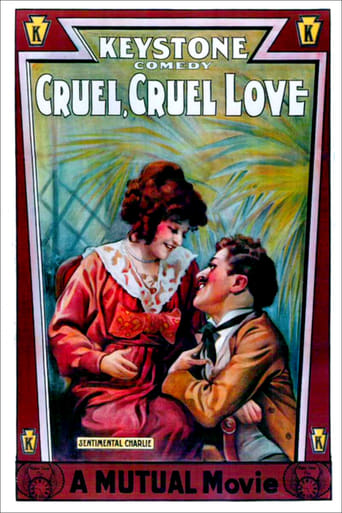
Cruel, Cruel Love
1914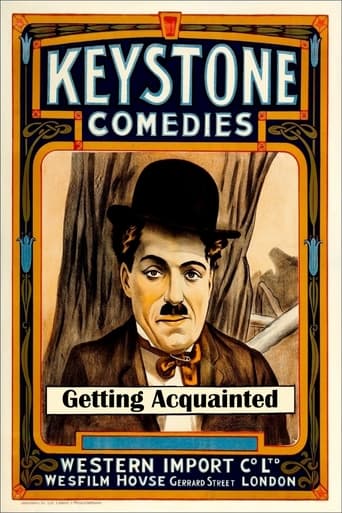
Getting Acquainted
1914
The General
1926
The Knockout
1914
Mabel, Fatty and the Law
1915
Gentlemen of Nerve
1914
His Trysting Places
1914
His New Profession
1914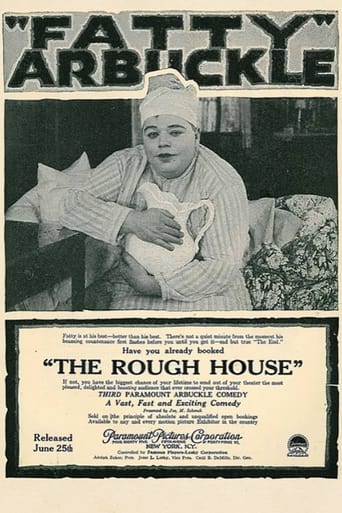
The Rough House
1917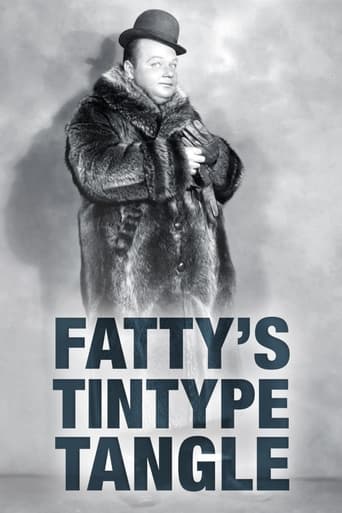
Fatty's Tintype Tangle
1915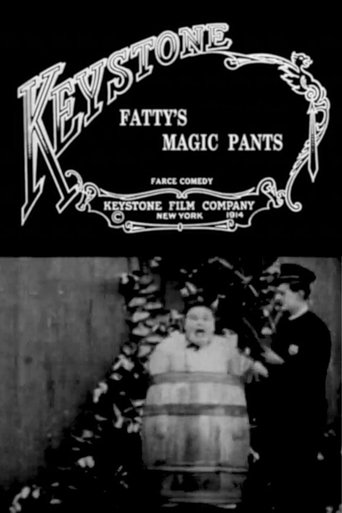
Fatty's Magic Pants
1914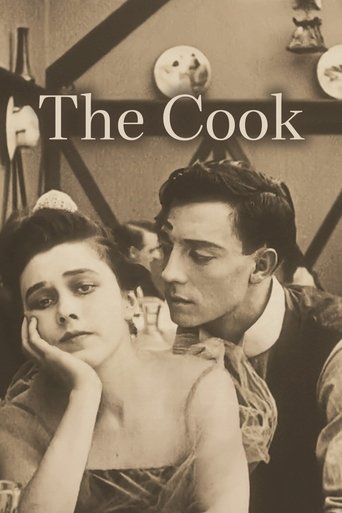
The Cook
1918
The Pest
1922
That Little Band Of Gold
1915
Mabel’s Wilful Way
1915
A Submarine Pirate
1915
Wished on Mabel
1915
When Love Took Wings
1915
Fatty’s Chance Acquaintance
1915
Fatty and Mabel Adrift
1916
Fatty and Mabel at the San Diego Exposition
1915
Mabel and Fatty’s Married Life
1915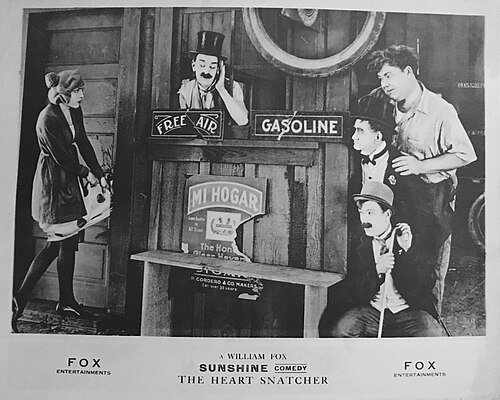
The Heart Snatcher
1920
Pie-Eyed
1925 Fatty’s Reckless Fling
1915 Fatty's New Role
1915
Fatty’s Plucky Pup
1915
His Musical Sneeze
1919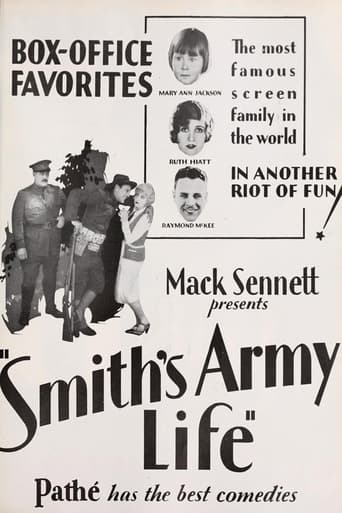
Smith's Army Life
1928
The New Janitor
1914About Glen Cavender
American character actor who found his niche during the days of silent film comedy, most notably working with Charlie Chaplin at Keystone Studios. Born in 1883, Cavender began his film career during the explosive growth of American cinema, appearing in numerous short comedies between 1914 and 1926. His most prolific period was 1914, when he appeared in multiple Chaplin-directed shorts including 'Her Friend the Bandit,' 'Cruel, Cruel Love,' 'Getting Acquainted,' 'The Knockout,' and 'Gentlemen of Nerve,' establishing himself as a reliable supporting player in the chaotic world of slapstick comedy. Cavender often played authority figures, villains, or comic foils to the main stars, utilizing his imposing presence to great comedic effect. Throughout his career, he worked with many of the era's comedy greats including Chaplin, Roscoe 'Fatty' Arbuckle, and Mabel Normand, appearing in over 70 films during his twelve-year career. As the film industry evolved and feature films became dominant, Cavender's opportunities in short comedies diminished, leading to his retirement from acting in 1926. His contributions to early American comedy, while often uncredited, helped shape the visual language of silent film comedy that would influence generations of filmmakers.
The Craft
On Screen
Cavender specialized in broad physical comedy typical of the Keystone era, often playing stern authority figures, villains, or comic foils who would inevitably become victims of slapstick chaos. His imposing presence and expressive face made him particularly effective as a straight man to the comic stars, allowing him to deliver both menacing and comically frustrated performances with equal skill. Like many actors of his generation, he mastered the art of silent storytelling through exaggerated gestures and facial expressions that could communicate complex emotions and reactions without dialogue.
Milestones
- Prolific supporting actor in Charlie Chaplin's Keystone Studios films (1914)
- Appeared in over 70 silent films during his career
- Worked with major comedy stars of the silent era including Chaplin, Arbuckle, and Normand
- Transitioned from stage to film during the early boom of American cinema
- Established himself as a reliable character actor in comedy shorts
Best Known For
Iconic Roles
Must-See Films
Accolades
Special Recognition
- Contributor to early American comedy cinema
Working Relationships
Worked Often With
Studios
Why They Matter
Impact on Culture
Glen Cavender's contributions to early American cinema, while often overlooked, represent the essential foundation upon which Hollywood comedy was built. As a regular player in the Keystone Studios roster, he participated in creating the visual vocabulary of slapstick comedy that would influence generations of comedians and filmmakers. His work in Chaplin's early films helped establish the comedic archetypes and timing that would become standard in American comedy, demonstrating how supporting actors were crucial to the success of silent comedy's chaotic energy. The films he appeared in, particularly those from 1914, are now studied as foundational texts of American cinema, with Cavender serving as an example of the reliable character actors who made the studio system function efficiently.
Lasting Legacy
Glen Cavender's legacy lies in his contribution to the golden age of silent comedy, particularly his role in Charlie Chaplin's formative years at Keystone. While he never achieved star status, his consistent presence in numerous classic shorts makes him an important figure in film history for scholars and enthusiasts studying the early development of American comedy. His filmography serves as a valuable record of the collaborative nature of early filmmaking, showing how ensemble casts of character actors like Cavender were essential to creating the memorable comedy that defined the era. Modern appreciation for silent film has led to renewed interest in supporting players like Cavender, who represent the unsung heroes of early Hollywood.
Who They Inspired
As a supporting actor rather than a star, Glen Cavender's direct influence on other performers was limited, but his work contributed to the development of comedy acting techniques that would be studied and emulated by future generations. His ability to play both threatening authority figures and comic victims demonstrated the range required of character actors in silent comedy, setting a standard for versatility in supporting roles. The films he appeared in, particularly those with Chaplin, became training grounds for the comedy language that would influence everyone from Buster Keaton to the Marx Brothers to modern physical comedians.
Off Screen
Glen Cavender was born in Tucson, Arizona, and grew up during the American frontier era, which may have influenced his rugged screen presence. Details about his personal life remain scarce, as was common for supporting actors of the silent era who rarely received the press coverage given to stars. He lived through the transformative period of cinema's development, witnessing the evolution from short one-reelers to feature films and the transition from silent to sound. After retiring from films in 1926, he lived a relatively private life away from the Hollywood spotlight, passing away in 1962 at the age of 78.
Education
Information not available
Family
- Information not available
Did You Know?
- Appeared in at least 8 films with Charlie Chaplin during 1914 alone
- Was part of the legendary Keystone Studios during its most creative period
- Worked with Mack Sennett, known as 'The King of Comedy'
- Appeared in 'Tillie's Punctured Romance' (1914), one of the first feature-length comedy films
- His active years covered the crucial transitional period from short comedies to feature films
- Like many silent era actors, his career ended with the coming of sound
- Often played policemen, villains, or authority figures in comedies
- Was part of the ensemble that helped establish Chaplin's iconic Tramp character
- His filmography includes many films now considered lost
- Worked during the period when Hollywood was establishing itself as the center of American film production
In Their Own Words
Information not available - silent era actors rarely had documented quotes
Frequently Asked Questions
Who was Glen Cavender?
American character with credits in this catalog. He was a prolific supporting player who specialized in playing authority figures, villains, and comic foils in over 70 films between 1914 and 1926.
What films is Glen Cavender best known for?
Titles linked here include The Knockout (1914), Her Friend the Bandit (1914).
When was Glen Cavender born and when did he die?
Born September 19, 1883; died February 9, 1962.
What awards did Glen Cavender win?
Glen Cavender did not receive any major awards or nominations during his career, which was common for supporting actors in the silent era. His recognition comes primarily from his contributions to early American comedy cinema and his work in historically significant films.
What was Glen Cavender's acting style?
Cavender specialized in broad physical comedy typical of the Keystone era, using exaggerated gestures and facial expressions essential for silent film acting. He often played stern authority figures or villains who would become comically victimized, using his imposing presence to create effective contrast with the comic stars.
Why did Glen Cavender's career end in 1926?
Cavender's career ended as the film industry transitioned from short comedies to feature films and from silent to sound pictures. As a specialist in short-form slapstick comedy, his opportunities diminished as the industry evolved, leading to his retirement from acting after a twelve-year career.
Did Glen Cavender work with other famous comedy stars besides Chaplin?
Yes, Cavender worked with many of the era's major comedy stars including Roscoe 'Fatty' Arbuckle, Mabel Normand, and Chester Conklin. He was part of the Keystone Studios ensemble system that regularly mixed and matched performers in various comedy productions under Mack Sennett's guidance.