
Gentlemen of Nerve
"As Charlie's friend is attempting to enter the raceway through a hole"
Keys: Space play/pause · ←/→ 10s · F fullscreen · M mute · </> speed
About this film
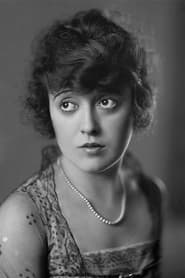
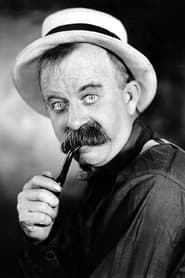
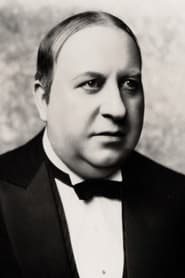
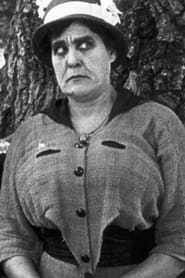
Mabel and her beau go to an auto race and are joined by Charlie and his friend. As Charlie's friend is attempting to enter the raceway through a hole, the friend gets stuck and a policeman shows up.
Cast & crew
More films like this


More Comedy films
View all →







More from Charlie Chaplin
View all →


More about this film
About the production
Release dateOctober 26, 1914
ProductionKeystone Studios, Mack Sennett Comedies
Filmed inLos Angeles, California, Keystone Studios lot
This film was produced during Charlie Chaplin's first year at Keystone Studios, where he was still developing his iconic Tramp character. The auto race scenes were filmed on location at actual racing venues in the Los Angeles area, adding authenticity to the backdrop of the comedy. The film showcases Chaplin's early experimentation with physical comedy and his growing confidence in directing his own material.
Themes
Competition and SpectatorshipClass and Social StatusModern Technology and SocietyFriendship and LoyaltyAuthority vs. Individual Freedom
Themes & topics
Historical background
Gentlemen of Nerve (1914) circulated in the silent era. Mabel and her beau go to an auto race and are joined by Charlie and his friend Contemporary trade papers and later preservation notes document its place among nickelodeon and cinema-club programs.
Why this film matters
Gentlemen of Nerve remains accessible to researchers and viewers as a comedy short in museum, archive, and streaming collections. Programmers cite it when tracing regional production history and surviving early prints.
Making of
The production of 'Gentlemen of Nerve' took place during a pivotal moment in Charlie Chaplin's career, as he was beginning to assert creative control over his films at Keystone Studios. Chaplin and Mabel Normand had a complex working relationship, with both being ambitious filmmakers at the studio. The auto race sequences presented significant technical challenges for the 1914 production team, requiring them to coordinate filming with actual racing events. The famous scene where Chester Conklin gets stuck in the fence required multiple takes to perfect the timing and physical comedy elements. Chaplin was known for his meticulous attention to detail even in these early days, often rehearsing gags extensively before filming. The Keystone Studios lot provided the backdrop for many of the film's interior and fence scenes, while the racing sequences were filmed on location to capture the authentic excitement of early 20th-century auto racing.
What critics said
Day-one reviews for Gentlemen of Nerve are sparse in digitized press archives; later criticism treats it as a reference point for 1914 cinema programming and preservation.
Did you know?
- This was one of the first films Charlie Chaplin directed at Keystone Studios, marking his transition from actor to filmmaker
- The auto race featured in the film was an actual race that Keystone Studios filmed and incorporated into the comedy
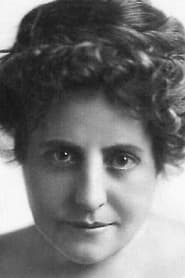
- Mabel Normand was not only the female lead but also a prominent director and screenwriter at Keystone during this period
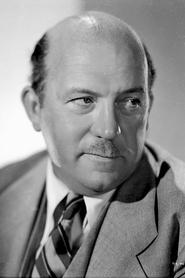
- Chester Conklin, who plays Charlie's friend, would become a regular Chaplin collaborator in the Keystone years
- The film showcases early examples of what would become Chaplin's signature style of combining pathos with physical comedy
- The 'Gentlemen of Nerve' title refers to the daring race car drivers of the era, though the film focuses more on the spectators
- This short was released during the height of the auto racing craze in America, making it particularly relevant to contemporary audiences
- The policeman character is played by Keystone regular Charles Avery, one of the original Keystone Kops
- The film was shot in just a few days, typical of the rapid production schedule at Keystone Studios
- Chaplin's Tramp character is still evolving in this film, not yet fully developed into the iconic figure he would become
Visual style
The cinematography in 'Gentlemen of Nerve' reflects the standard practices of Keystone Studios in 1914, featuring static camera positions typical of the era but with innovative use of multiple angles to capture both the racing action and the comedy. The film employs medium shots for the character-driven comedy scenes and wider shots to establish the race setting and capture the scale of the auto racing events. The camera work during the racing sequences was particularly ambitious for its time, attempting to convey the speed and excitement of the races through careful framing and timing. The cinematography effectively balances the spectacle of the racing with the intimate comedy of the character interactions.
Innovations
While not technologically groundbreaking, 'Gentlemen of Nerve' demonstrated solid technical execution for its time, particularly in its integration of location footage with studio-shot material. The film's successful combination of actual auto racing footage with staged comedy sequences required careful planning and coordination, representing an early example of documentary-style elements being incorporated into fictional narrative. The production team's ability to capture clear images of fast-moving race cars with the camera equipment of 1914 was noteworthy, as was their effective use of depth in the fence-stuck sequence to enhance the physical comedy.
Music
As a silent film, 'Gentlemen of Nerve' was originally accompanied by live musical performance in theaters, typically featuring piano or organ accompaniment. The score would have been selected from standard Keystone Studios music libraries, with lively, upbeat pieces chosen to match the film's comedic tone and the excitement of the racing sequences. Modern restorations of the film have featured newly composed scores by silent film accompanists, often incorporating period-appropriate popular songs and classical pieces that would have been familiar to 1914 audiences. The music typically emphasizes the slapstick elements with jaunty rhythms and provides dramatic underscoring for the racing sequences.
Memorable scenes
- The iconic sequence where Chester Conklin becomes stuck while attempting to crawl through a hole in the race track fence, creating a perfect visual gag as his legs flail helplessly while Charlie Chaplin frantically tries to free him before the approaching policeman discovers their attempted trespassing
What audiences thought
The film was well-received by contemporary audiences, who were drawn to both the excitement of auto racing and the growing popularity of Charlie Chaplin's comedic persona. Moviegoers of the era particularly enjoyed the film's blend of action and comedy, with the racing sequences providing spectacle while the character-driven comedy delivered laughs. The short's success contributed to Chaplin's rapidly rising stardom and helped establish him as a bankable leading man. Modern audiences, when viewing the film through retrospectives and archives, appreciate it as a fascinating glimpse into early cinema and the formative years of one of cinema's greatest artists.
Film connections
Influenced by
- Mack Sennett's Keystone comedy style
- French and Italian slapstick traditions
- Vaudeville comedy routines
- Early American film comedy
This film influenced
- The Champion (1915)
- The Tramp (1915)
- The Bank (1915)
- A Night Out (1915)
- Later Chaplin Keystone comedies
Film restoration
The film survives in complete form and has been preserved by various film archives, including the Museum of Modern Art and the Library of Congress. Multiple 35mm and 16mm copies exist, and the film has been digitally restored for home video releases and streaming platforms. The preservation quality is generally good, though some deterioration typical of films from this era is visible in existing prints.
Where to watch
- The film is available on various streaming platforms specializing in classic cinema
- Included in several Chaplin collections on DVD and Blu-ray
- Available for viewing on YouTube through authorized channels
- Accessible through film archive websites such as the Internet Archive
- Featured in educational streaming services focusing on film history