Films
10 films




About Helen Carruthers
Actress in the earliest days of American cinema, appearing exclusively during the transformative year of 1914. Her career was centered at Mack Sennett's Keystone Studios, the epicenter of slapstick comedy and the launchpad for countless silent film stars. Carruthers worked alongside the era's most figures, most notably Charlie Chaplin during his inaugural year in film, appearing in several of his first shorts. She was a versatile performer, often cast as a supporting player in frantic comedies, contributing to the chaotic energy that defined Keystone's output. Her filmography, though brief, includes some of the most historically significant comedies of the silent era, such as 'Mabel's Blunder' and 'His Musical Career'. After a prolific but incredibly short burst of activity in 1914, Carruthers vanished from the historical record, her career likely a casualty of the transient nature of early film work. She represents the countless anonymous performers who were the backbone of the burgeoning film industry, leaving behind a legacy preserved only in the flickering frames of their surviving films.
The Craft
On Screen
Helen Carruthers' acting style was emblematic of the Keystone comedy school: broad, physical, and expressive, designed to be understood without dialogue. As a supporting actress in fast-paced slapstick, her performances relied on exaggerated gestures, frantic movement, and clear facial reactions to contribute to the comedic chaos. Her role was often to react to the lead comedians' antics, serving as a foil or an additional element of confusion in the elaborate chase sequences and comedic setups typical of Keystone productions. Her style prioritized energy and visual gags over nuanced character development, fitting perfectly into the factory-like production system that demanded quick, clear, and impactful performances.
Milestones
- Appeared in multiple Keystone Studio films in 1914, a pivotal year for silent comedy
- Worked with Charlie Chaplin during his first year in the film industry
- Featured in the acclaimed short film 'Mabel's Blunder' (1914) directed by and starring Mabel Normand
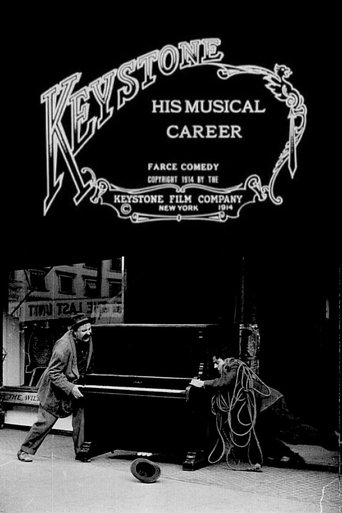
- Participated in the chaotic ensemble of 'His Musical Career' (1914) with Chaplin and Mack Swain
- Contributed to the foundational development of American slapstick comedy
Best Known For
Iconic Roles
Must-See Films
Working Relationships
Worked Often With
Studios
Why They Matter
Impact on Culture
Helen Carruthers' cultural impact is not as an individual star but as a representative of the essential, yet uncredited, workforce that built Hollywood. Her work in the foundational comedies of 1914 places her at the very genesis of American film comedy, a period that established cinematic language and comedic tropes that would endure for a century. By appearing in the early films of Charlie Chaplin and Mabel Normand, she was a direct participant in the creation of a new art form. Her presence in these films, however minor the role, contributes to the historical texture and authenticity of these landmark works. She symbolizes the collaborative, ensemble-driven nature of early filmmaking, where the success of a film depended on the cumulative effort of many, now-forgotten, performers.
Lasting Legacy
The legacy of Helen Carruthers is preserved only in the nitrate prints of the surviving Keystone comedies in which she appeared. She serves as a poignant reminder of the thousands of artists who were integral to the birth of cinema but whose names have faded into obscurity. For film historians and enthusiasts, she is a subject of research, a name to be sought in the credits of early films, representing the human cost and the ephemeral nature of early fame. Her legacy is not one of individual achievement, but of collective contribution to the most influential and revolutionary art form of the 20th century. She shows the fact that film history is built not only by the famous names, but by the countless anonymous faces who brought the stories to life.
Who They Inspired
Given her brief and uncredited career, Helen Carruthers had no direct influence on subsequent generations of actors or filmmakers in a traceable, mentor-like capacity. Her influence is indirect and historical. As part of the Keystone ensemble, she contributed to the comedic environment that shaped the sensibilities of stars like Charlie Chaplin, who would go on to become. The body of work she participated in influenced generations of comedians and directors who studied the pacing, gags, and physical comedy of the Keystone era. In this sense, she is a small but real part of the foundational influence that silent comedy has had on all of screen comedy that followed.
Off Screen
Virtually nothing is known about Helen Carruthers' personal life outside of her brief film career. Like many performers from the earliest days of cinema, detailed biographical information was not systematically recorded, and she did not achieve the level of fame that would have warranted press coverage or preservation of personal details. Her life before and after her single year of activity in film remains a complete mystery, a common fate for the vast majority of anonymous actors who populated the frames of silent-era shorts.
Did You Know?
- Her entire known film career consists of films released in a single year, 1914.
- She worked with Charlie Chaplin during his very first year in the movie business.
- Several of her films, including 'Mabel's Blunder' and 'His Musical Career', are preserved by the Library of Congress and considered culturally significant.
- Like many actors of her era, she was likely under contract to a single studio, in her case, Mack Sennett's Keystone.
- Her name does not appear in the cast lists for many of the films she is believed to have been in, a common practice for uncredited bit players.
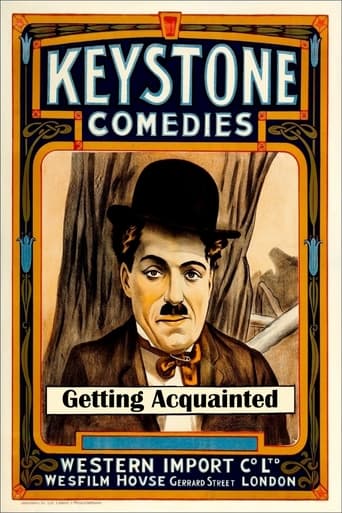
- She was part of the famous 'Keystone Kops' ensemble in at least one film, 'Getting Acquainted'.
- Her career began and ended before the United States even entered World War I.
- No photographs definitively identified as Helen Carruthers are widely known to exist, making her a truly anonymous face of early cinema.
Frequently Asked Questions
Who was Helen Carruthers?
American actress who worked briefly during the silent film era, exclusively in 1914. She was a supporting player at Mack Sennett's Keystone Studios, appearing in numerous comedy shorts alongside early stars like Charlie Chaplin and Mabel Normand.
What films is Helen Carruthers best known for?
Titles linked here include Mabel's Blunder (1914), His Musical Career (1914).
When was Helen Carruthers born and when did she die?
Unfortunately, her birth and death dates are unknown. She is one of many early film performers for whom detailed biographical information was never recorded or has been lost to history.
What awards did Helen Carruthers win?
Helen Carruthers did not receive any major awards or nominations. The major award ceremonies, like the Academy Awards, were established years after her film career had already ended.
What was Helen Carruthers' acting style?
Her acting style was typical of the Keystone comedy school, relying on broad physical gestures and exaggerated expressions. As a supporting player in slapstick, her role was to enhance the comedic chaos through clear, visual reactions and participation in physical gags.