
Caught in the Rain
"Park bench mix-up leads to hotel havoc"
Keys: Space play/pause · ←/→ 10s · F fullscreen · M mute · </> speed
About this film
When a married couple become separated in the park, a tramp sits with the lady and is beat up when her husband rejoins her. He takes a room in their hotel, and chaos ensues.
Cast & crew
More films like this

More Comedy films
View all →







More from Charlie Chaplin
View all →


More about this film
About the production
Release dateMay 4, 1914
ProductionKeystone Film Company
Filmed inLos Angeles, California, Keystone Studios
Caught in the Rain was one of Charlie Chaplin's early films during his first year at Keystone Studios. The film was produced during Chaplin's rapid rise to stardom in 1914, when he was making multiple films per month. Like many Keystone productions of the era, it was shot quickly and efficiently, with minimal rehearsal and a focus on physical comedy and improvisation. The park scenes were likely filmed on location in the Los Angeles area, while the hotel sequences were shot on Keystone's studio sets.
Themes
Mistaken identityPursuit of romanceSocial class differencesJealousy and marital relationshipsThe underdog character
Themes & topics
trampparkhotelmarried couplemistaken intentionsphysical comedychaseslapstickromantic pursuitjealous husbandcomedy of errors
Historical background
Made during the nickelodeon years around 1914, Caught in the Rain reached audiences through theatrical programs, fairground booths, or specialized distribution channels typical of its generation. When a married couple become separated in the park, a tramp sits with the lady and is beat up when her husband rejoins. Historians now read such works for what they reveal about production methods, national taste, and the expanding vocabulary of screen narrative.
Why this film matters
Archivists and programmers still screen Caught in the Rain when tracing how popular entertainment evolved. Its subject—when a married couple become separated in the park, a tramp sits with the lady and is beat up when—gives later viewers tangible evidence of what drew crowds in the silent period. Home video, restorations, and festival sidebars keep the title circulating among students of film history.
Making of
During the production of 'Caught in the Rain,' Chaplin was still refining his iconic Tramp character, which had only debuted a few months earlier. The filming process at Keystone was notoriously fast-paced, with most comedies being completed in just a few days. Chaplin was already beginning to assert creative control over his films, often improvising gags and modifying scripts during shooting. The physical comedy sequences, particularly the fight scenes in the park and the chaotic hotel chase, would have been choreographed on set with minimal preparation. Mack Swain, a veteran of vaudeville and silent film, brought his considerable comedic experience to his role as the jealous husband. The hotel set was likely a multipurpose set that Keystone used for multiple productions, with different configurations to suit various storylines.
What critics said
Original trade coverage treated Caught in the Rain as routine program filler rather than a landmark production—common for shorts. Later criticism emphasizes preservation, stylistic comparison with contemporaries, and whatever cast or crew names later gained prominence. Contemporary writing is mostly historical: assessing completeness, influence, and place in a director's or studio's catalog.
Did you know?
- This was one of 35 films Charlie Chaplin made in 1914 alone, demonstrating his incredible productivity during his first year in film
- The film was released just months after Chaplin's film debut in 'Making a Living' in February 1914
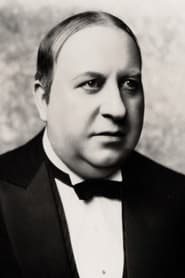
- Mack Swain, who plays the husband, would become one of Chaplin's most frequent collaborators, appearing in many of his classic films including 'The Gold Rush'
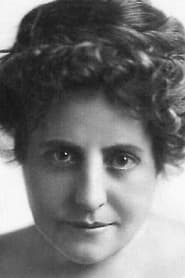
- Alice Davenport, who plays the wife, was a veteran actress who appeared in over 200 films between 1911 and 1929
- The film showcases Chaplin's early development of the Tramp character, which would become his most iconic creation
- Like many silent films of the era, it was originally shot on 35mm film at a projection speed of 16 frames per second
- The hotel setting was a common trope in early comedy shorts, allowing for multiple doors and opportunities for slapstick confusion
- This film was produced before Chaplin gained creative control over his work, as he was still under contract to Mack Sennett at Keystone
- The park scenes were likely influenced by the popular 'park bench' comedy routines that were common in vaudeville theater
- The film's simple premise of mistaken intentions and romantic pursuit would become a recurring theme in Chaplin's work
Visual style
The cinematography of 'Caught in the Rain' was typical of Keystone productions in 1914, featuring static camera positions and wide shots to capture the physical comedy. The film was shot in black and white using the available technology of the era, with natural lighting for the exterior park scenes and artificial lighting for the interior hotel sequences. The camera work was functional rather than artistic, focusing on clearly presenting the action to the audience. The framing was generally medium to wide, allowing viewers to see the full physical comedy and character interactions. The hotel sequences used basic cross-cutting to build tension during the chase scenes, a technique that was becoming increasingly common in comedy shorts of the period.
Innovations
While 'Caught in the Rain' was not groundbreaking in technical terms, it represents the standard production quality of Keystone Studios in 1914. The film demonstrates the efficient production methods that allowed Keystone to produce numerous short films quickly. The use of both location shooting and studio sets shows the industry's developing flexibility in production techniques. The film's editing, while basic by modern standards, was effective in building comedic tension through timing and rhythm. The preservation of the film itself represents a technical achievement, as many films from this period have been lost due to the unstable nature of early film stock and the practice of destroying films after their theatrical runs ended.
Music
As a silent film, 'Caught in the Rain' had no synchronized soundtrack. During its original theatrical run, the film would have been accompanied by live music, typically a piano or organ in smaller theaters and a small orchestra in larger venues. The musical accompaniment would have been selected to match the on-screen action, with upbeat, playful music during the comedic sequences and more dramatic music during the confrontations. The specific musical selections would have varied by theater and musician, though common practices of the era included using popular songs of the time and classical pieces adapted for film accompaniment. Modern restorations of the film are typically shown with newly composed scores that attempt to capture the spirit of the original accompaniments.
Famous quotes
(As a silent film, dialogue was conveyed through intertitles and physical expression rather than spoken quotes)
Memorable scenes
- The opening park sequence where Chaplin's Tramp spots the unattended wife and makes his move
- The physical confrontation between the Tramp and the jealous husband in the park
- The chaotic chase through the hotel corridors with multiple door gags
- The Tramp's various attempts to gain access to the married woman's hotel room
What audiences thought
The film was popular with audiences of 1914, who were captivated by Chaplin's rapidly developing Tramp character. Moviegoers of the era appreciated the film's straightforward humor and relatable situations. The chemistry between Chaplin, Swain, and Davenport resonated with theater audiences, and the film performed well at the box office for a short comedy. Contemporary audience reactions were documented in trade papers, which reported enthusiastic responses to the film's physical comedy and romantic misunderstandings. The film's success helped cement Chaplin's status as a rising star in the comedy world and contributed to the growing demand for his films, which would soon allow him to command unprecedented creative control and financial compensation.
Film connections
Influenced by
- Vaudeville comedy traditions
- Mack Sennett's Keystone comedy style
- French comedies of the early 1900s
- Max Linder's character comedies
- Stage comedy routines of the era
This film influenced
- Chaplin's later hotel-themed comedies
- The Tramp's park bench scenes in later films
- Numerous romantic comedy shorts of the 1910s and 1920s
- Hotel and park setting tropes in silent comedy
Film restoration
The film survives and is part of various film archives and collections. It has been restored and is available through several home media releases and online platforms. The survival of this 1914 film is notable, as many films from this period have been lost.
Where to watch
- Available on various streaming platforms specializing in classic cinema
- Included in Charlie Chaplin DVD and Blu-ray collections
- Accessible through film archive websites
- Available on YouTube through authorized channels
- Part of the Internet Archive's public domain collection