Films
3 films
About Harry Russell
American actor who worked briefly during the silent film era, primarily with Keystone Studios in the early 1910s. His only two years from 1913 to 1914, during which he appeared in several comedy short films that were typical of the Keystone production style. Russell worked alongside some of the earliest comedy film pioneers, including appearing in films featuring Charlie Chaplin during Chaplin's first year with Keystone. Like many actors of this period, Russell was likely a stock player or bit actor who filled various supporting roles as needed by the studio's rapid production schedule. His filmography, though brief, places him among the early pioneers of American comedy cinema during its formative years. The lack of extensive documentation about his later career suggests he may have left the film industry after this brief period, which was common for many early film actors who either moved to other professions or returned to stage work.
The Craft
Milestones
- Appeared in early Keystone comedy shorts
- Worked during Charlie Chaplin's first year at Keystone
- Participated in the early development of American comedy cinema
Best Known For
Must-See Films
Working Relationships
Worked Often With
Studios
Why They Matter
Impact on Culture
Harry Russell's contribution to cinema, while brief, represents the collective effort of the many anonymous actors who helped establish the foundation of American film comedy during its nascent years. His work at Keystone Studios during 1913-1914 places him among the pioneers who developed the visual language and comedic techniques that would define early cinema. Though not a major star, actors like Russell were essential to the rapid production schedule of studios like Keystone, providing the ensemble work necessary for the chaotic comedy that made the studio famous. His appearance in films featuring Charlie Chaplin during Chaplin's formative American period means he was present during a crucial moment in film history when comedy was being standardized as a cinematic genre.
Lasting Legacy
Harry Russell's legacy is primarily that of a representative example of the many anonymous actors who populated early American films. His brief filmography serves as a reminder of the hundreds of performers who contributed to cinema's development but whose names have been lost to history. The preservation of his three known films ensures that his work, however minor, remains part of the historical record of early American comedy cinema. His career exemplifies the transient nature of early film acting, where many performers appeared in only a handful of films before disappearing from the industry.
Who They Inspired
As a minor actor during the very early days of cinema, Harry Russell's direct influence on later performers or filmmakers is likely minimal. However, like all actors who worked at Keystone during this period, he contributed to the development of the comedy film format that would influence generations of filmmakers. The Keystone style of rapid-fire slapstick comedy that Russell participated in helped establish conventions that would become standard in American comedy cinema for decades to follow.
Off Screen
Very little is documented about Harry Russell's personal life, which was typical for many supporting actors of the early silent era who were not major stars. Like many bit players of this period, personal details were rarely recorded in studio records or film publications.
Did You Know?
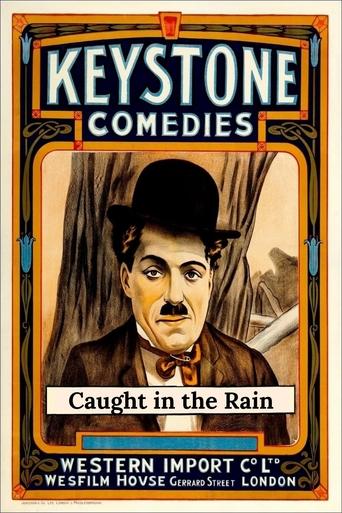
- Harry Russell appeared in three known films, all within a two-year span
- All of his known films were produced by Keystone Studios
- He worked during the same period when Charlie Chaplin was developing his famous Tramp character
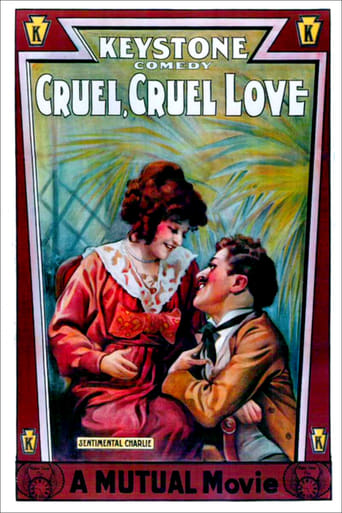
- His film 'Cruel, Cruel Love' (1914) was one of Chaplin's early films before the Tramp persona was fully established
- Like many early film actors, his career was extremely brief by modern standards
- Keystone Studios was known for producing films at an incredibly rapid pace, often completing multiple shorts per week
- The early 1910s was a period when cinema was transitioning from novelty to established art form
- Most supporting actors from this period received no screen credit in their films
Frequently Asked Questions
Who was Harry Russell?
American with credits in this catalog.
What films is Harry Russell best known for?
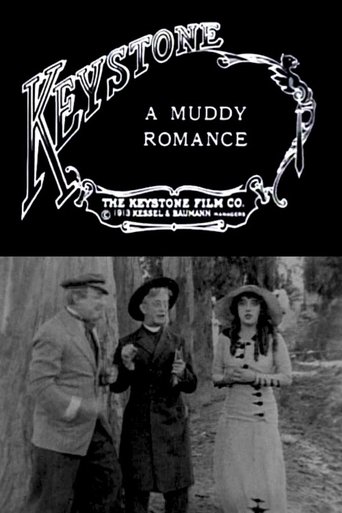
Titles linked here include A Muddy Romance (1913), Cruel, Cruel Love (1914).
When was Harry Russell born and when did he die?
Unfortunately, Harry Russell's birth and death dates are not documented, which was common for many supporting actors of the early silent era who were not major stars.
What awards did Harry Russell win?
Harry Russell did not receive any known awards or nominations, as he was a minor actor during the very early days of cinema before formal award systems were established.
What was Harry Russell's acting style?
While specific details about Russell's acting style are not documented, as a Keystone Studios actor he likely performed in the broad, physical comedy style characteristic of the studio's productions during the early 1910s.
Did Harry Russell work with any famous directors or actors?
Yes, Harry Russell worked at Keystone Studios during the same period as Charlie Chaplin and likely under the supervision of Mack Sennett, who founded Keystone and was instrumental in developing American comedy cinema.
Why is so little known about Harry Russell?
Like many supporting actors from the early silent era, detailed records about Harry Russell were not preserved because he was not a major star. Early film studios often did not maintain comprehensive records about bit players, and personal details were rarely documented in film publications of the time.