Alice Howell
Actor
Born: May 20, 1886 in New York City, New York, USA Died: April 11, 1961 Active: 1913-1927 Birth Name: Alice Gertrude Howell
Films
5 films
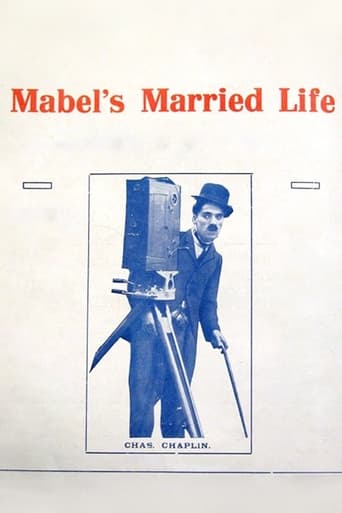
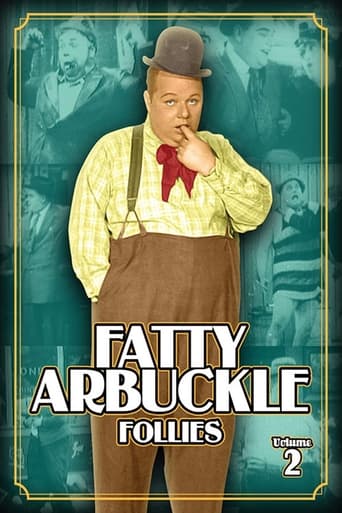
About Alice Howell
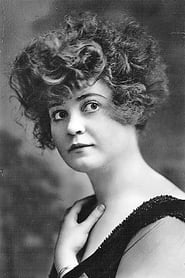
American silent film actress who became recognizable comedic performers of the early 1910s. Born in New York City in 1886, she began her entertainment career in vaudeville before transitioning to motion pictures with Mack Sennett's Keystone Studios in 1913. Her distinctive round face, expressive eyes, and natural comedic timing made her a perfect fit for the slapstick comedy style that defined early cinema. Howell appeared in numerous films alongside Charlie Chaplin, Mabel Normand, and Roscoe 'Fatty' Arbuckle during Keystone's golden era. She was particularly adept at playing flustered, exasperated characters who often found themselves caught up in chaotic situations. Despite her popularity during the silent era, her career waned as the film industry evolved, and she made her final film appearances in the late 1920s. Howell's contributions to early comedy helped establish the template for female comedic performers in cinema.
The Craft
On Screen
Alice Howell specialized in physical comedy and exaggerated facial expressions, utilizing her distinctive round features to maximum comic effect. Her performances were characterized by frantic energy, impeccable timing, and the ability to convey a wide range of emotions through subtle gestures and expressions. She excelled at playing flustered, put-upon characters who were often the victims of slapstick mishaps, bringing a relatable humanity to the chaos of Keystone comedies.
Milestones
- Signed with Keystone Studios in 1913
- Regular collaborator with Charlie Chaplin during his first year at Keystone
- Starred in over 100 short comedies during the 1910s
- Transitioned to feature films in the 1920s
- Retired from acting in 1927
Best Known For
Iconic Roles
Must-See Films
Accolades
Special Recognition
- Honored as one of Keystone Studios' female comedians
Working Relationships
Worked Often With
Studios
Why They Matter
Impact on Culture
Alice Howell was part of the foundational generation of film comedians who helped establish the language of cinematic comedy. As one of the few women regularly featured in Keystone's chaotic slapstick productions, she helped pave the way for future female comedians in film. Her ability to hold her own against male comedy stars like Chaplin and Arbuckle demonstrated that women could be equally effective in physical comedy, challenging gender norms of the era. Her distinctive screen persona contributed to the development of character types that would become staples of comedy cinema.
Lasting Legacy
Alice Howell's legacy lies in her contribution to the golden age of silent comedy and her role as one of the women in early Hollywood. Though less remembered than some of her contemporaries, her work appears in many of the most studied and celebrated early comedies, particularly those featuring Charlie Chaplin's early career. Film historians recognize her as an important figure in the development of screen comedy, and her performances continue to be studied for their technical skill and comedic effectiveness. Her surviving films serve as valuable documentation of early 20th-century comedy styles and the role of women in the nascent film industry.
Who They Inspired
Howell influenced subsequent generations of female comedians by demonstrating that women could excel in physical comedy and hold their own in ensemble casts dominated by male performers. Her work at Keystone helped establish patterns for female comic characters that would be refined and expanded upon by later performers. Contemporary comedy actresses who specialize in physical comedy owe a debt to pioneers like Howell who proved women could be just as effective in slapstick and situational comedy as their male counterparts.
Off Screen
Alice Howell married actor and director Allen Roscoe in 1916, though the marriage ended in divorce. She later married Harry B. Lorraine in 1925. After retiring from films, she lived a relatively private life in Los Angeles, occasionally appearing at film retrospectives and silent film festivals. She never had children and spent her later years away from the public eye, maintaining connections with former colleagues from the silent era.
Education
Limited formal education; trained in vaudeville and theater performance
Family
- Allen Roscoe (1916-1920)
- Harry B. Lorraine (1925-1961)
Did You Know?
- Alice Howell was nicknamed 'The Girl with a Million Dollar Face' due to her expressive features
- She appeared in more films with Charlie Chaplin during his first year at Keystone than any other actress
- Her distinctive round face made her instantly recognizable to audiences of the silent era
- She was one of the few actresses who could perform her own stunts in Keystone's dangerous comedies
- Howell earned $75 per week at Keystone, a substantial salary for the time
- She was often typecast as the 'plain' or 'homely' friend, though she was considered attractive in person
- Many of her films are now lost, a common fate for early silent comedies
- She continued performing in vaudeville during breaks from film work
- Howell was known for her professionalism and reliability on set
- She was one of the original members of the Keystone stock company
In Their Own Words
In silent pictures, your face had to do all the talking. Every expression counted.
Working at Keystone was like being in a three-ring circus every day, but we loved it.
Charlie Chaplin was a genius even then. We all knew we were part of something special.
Frequently Asked Questions
Who was Alice Howell?
American silent film actress and comedienne who worked primarily with Keystone Studios in the 1910s. She was known for her distinctive round face and expressive comedic performances, appearing in numerous films with Charlie Chaplin, Mabel Normand, and Roscoe Arbuckle during the golden age of silent comedy.
What films is Alice Howell best known for?
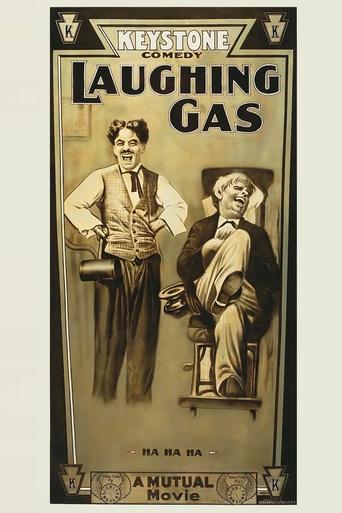
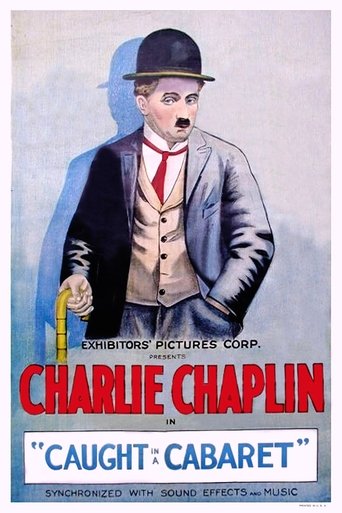
Titles linked here include Laughing Gas (1914), Caught in a Cabaret (1914).
When was Alice Howell born and when did she die?
Born May 20, 1886; died April 11, 1961.
What awards did Alice Howell win?
Alice Howell did not receive formal awards during her career, as the Academy Awards were not established until 1929, near the end of her active period. However, she is recognized by film historians as a figure in silent comedy and one of the important early female performers at Keystone Studios.
What was Alice Howell's acting style?
Alice Howell specialized in physical comedy and slapstick performance, utilizing her expressive face and frantic energy to create memorable comic characters. She excelled at playing flustered, exasperated characters caught in chaotic situations, and was known for her impeccable timing and ability to convey emotion through subtle gestures and expressions in silent films.