

Caught in a Cabaret
"Waiter by night, ambassador by lie"
Keys: Space play/pause · ←/→ 10s · F fullscreen · M mute · </> speed
About this film
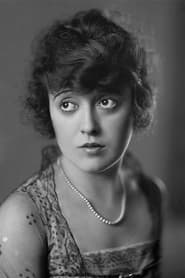
Clumsy cabaret waiter Charlie poses as an ambassador to impress a park beauty, unaware her jealous fiancé will follow him back to the club. Mabel Normand directed and co-starred in this Keystone two-reeler.
Cast & crew
More films like this


More Comedy films
View all →







More from Mabel Normand
View all →

More about this film
About the production
Release dateApril 27, 1914
ProductionKeystone Studios
Filmed inLos Angeles, California, Edendale, California
the release was produced during Charlie Chaplin's first year at Keystone Studios, a period when he was still developing his iconic Tramp character. Mabel Normand, one of the few female directors of the era, both directed and starred in the film, showcasing her significant influence at Keystone. The production utilized typical Keystone methods of improvisation and spontaneous gags, with Chaplin already beginning to assert creative control over his material despite being relatively new to the studio.
Themes
Class deception and social climbingRomantic competitionThe gap between appearance and realityWorkplace comedyMale-female relationships in early 20th century
Themes & topics
Historical background
Caught in a Cabaret (1914) reached audiences during the nickelodeon era, when exhibitors mixed shorts and features on the same program.
Why this film matters
Historians retain Caught in a Cabaret as a record of how filmmakers in 1914 addressed popular genres.
Making of
The making of 'Caught in a Cabaret' represents a fascinating moment in early cinema history when creative roles were more fluid and experimental. Mabel Normand, already a major star at Keystone, was expanding her influence behind the camera during a time when very few women held directorial positions. Chaplin, still relatively new to film, was already beginning to assert his creative vision and develop the comedic techniques that would make him world-famous. The production followed typical Keystone methods of rapid shooting with minimal scripting, relying heavily on improvisation and the performers' comedic instincts. The relationship between Normand and Chaplin was complex and often contentious, with Chaplin already showing his perfectionist tendencies while Normand represented the established Keystone order. the release was part of a series of collaborations between the two that helped establish both their careers and the Keystone style of comedy.
What critics said
Trade coverage from 1914 treated Caught in a Cabaret as program material; later writers evaluate it through preservation and genre context.
Did you know?
- This was one of the first films that Mabel Normand directed, making her one of the earliest female directors in cinema history.
- Charlie Chaplin and Mabel Normand had a complex professional and personal relationship, with the release being one of their many collaborations.
- The film was released just three months after Chaplin joined Keystone Studios in January 1914.
- This movie features Chaplin's character before the Tramp persona was fully developed, though elements of the famous character are beginning to emerge.
- Keystone Studios produced films at an incredible pace, often releasing multiple short comedies each week.
- The park scenes were likely filmed at Echo Park in Los Angeles, a common filming location for Keystone productions.
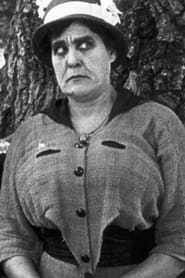
- Phyllis Allen, who plays the jealous fiancé's mother, was a regular Keystone actress who appeared in over 150 films.
- The cabaret set was a typical Keystone construction, designed to be easily modified for multiple productions.
- the release was released during the early days of feature-length films, when short comedies were still the standard format.
- Mabel Normand was not only a director and actress but also a writer and producer, making her among the leading versatile women in early Hollywood.
Visual style
The cinematography in 'Caught in a Cabaret' follows typical Keystone Studios practices of the era, with static camera positions and wide shots designed to capture the full range of physical comedy. The film was likely shot on 35mm film with the standard cameras of the period. The lighting is naturalistic, utilizing available light for the outdoor park scenes and basic studio lighting for the interior cabaret sequences. The camera work prioritizes clarity of action over artistic flourishes, ensuring that the slapstick gags and character movements are clearly visible to the audience. The cinematography effectively serves the comedy by maintaining consistent framing that allows the physical humor to play out without visual confusion.
Innovations
While 'Caught in a Cabaret' doesn't feature groundbreaking technical innovations, it represents the refinement of existing film techniques for comedy. The film demonstrates the effective use of cross-cutting between the park and cabaret locations to build comedic tension. The editing follows the rhythm of the gags, with timing that enhances the physical humor. The production utilized the efficient Keystone studio system, which could produce films quickly while maintaining quality. The film shows how early filmmakers were learning to use the medium specifically for comedy, developing techniques that would become standard in the genre. The use of real locations combined with studio sets also demonstrates the hybrid approach to filmmaking that was common in this transitional period.
Music
As a silent film, 'Caught in a Cabaret' originally would have been accompanied by live music in theaters, typically piano or organ accompaniment. The specific musical score was not standardized, with individual theaters providing their own musical interpretations. The accompaniment would have followed the dramatic and comedic beats of the film, with lively music during the slapstick sequences and more romantic themes during the park scenes. Modern restorations and screenings often feature newly composed scores or period-appropriate music that reflects the 1914 era. The lack of synchronized sound meant that all comedy had to be visual, which influenced the film's emphasis on physical gags and expressive performances.
Memorable scenes
- The park scene where Charlie first meets the pretty girl and begins his ambassador impersonation, showcasing early Chaplin charm and comedic timing
- The chaotic confrontation in the cabaret when the jealous fiancé discovers Charlie's true identity, resulting in Keystone-style slapstick mayhem with flying dishes and physical comedy
- Charlie's awkward attempts to maintain his ambassador persona while actually working as a waiter, creating humor through the contrast between his pretensions and reality
What audiences thought
Audiences in 1914 responded enthusiastically to 'Caught in a Cabaret,' as it featured the rapidly rising star Charlie Chaplin alongside the established favorite Mabel Normand. The film's combination of slapstick humor, romantic comedy elements, and the novelty of seeing Chaplin in a waiter's uniform rather than his full Tramp costume appealed to contemporary moviegoers. The cabaret setting was particularly relatable to urban audiences of the time. Modern audiences viewing the film through archival screenings or home media appreciate it as a historical artifact that features early comedy techniques and the beginnings of Chaplin's screen career, though some find the pacing and humor dated compared to later silent comedies.
Film connections
Influenced by
- French and Italian comedies of the early 1910s
- Vaudeville and music hall traditions
- Mack Sennett's Keystone comedy style
- Stage farce traditions
This film influenced
- Later Chaplin films featuring class deception themes
- Keystone comedies of 1914-1915
- Workplace comedy films
- Romantic comedy shorts of the silent era
Film restoration
The film survives in complete form and has been preserved by various film archives. Prints are held at the Library of Congress, the Museum of Modern Art, and other major film institutions. The film has been restored and is available through various home media releases and digital platforms. The survival rate of Keystone films is relatively low, making the preservation of this particular title valuable for film history. Some versions show varying degrees of deterioration, but the essential content remains intact and viewable.
Where to watch
- The film is in the public domain and available on YouTube
- Included in various Charlie Chaplin DVD collections
- Available on streaming services specializing in classic films
- Can be found on archive.org
- Included in Keystone Studios compilations
- Available through some university film libraries and archives