
A Submarine Pirate
"Galley hand, stolen sub"
Keys: Space play/pause · ←/→ 10s · F fullscreen · M mute · </> speed
About this film
A waiter tricks his way into command of a sub in order to rob a ship carrying gold bullion. Exhibitors circulated the 1915 print in short programs.
Cast & crew
More films like this

More Comedy films
View all →







More from Charles Avery
View all →
More about this film
About the production
Release dateMarch 15, 1915
Box officeUnknown
ProductionKeystone Film Company
Filmed inLos Angeles, California, Pacific Ocean coastal waters
This film was produced during the height of Keystone Studios' popularity and featured elaborate submarine models and underwater photography techniques that were innovative for the time. The production utilized actual submarine footage and special effects to create the illusion of underwater scenes, which was particularly challenging in 1915. The film was shot in the early months of 1915 when submarine technology was still relatively new and fascinating to the public.
Themes
Technology and modernityClass mobility and social climbingComedy of errorsAdventure and explorationDeception and trickery
Themes & topics
Historical background
A Submarine Pirate reached screens around 1915, produced in its country of origin. Silent-era houses paired such titles with live music and newsreel bills.
Why this film matters
Researchers cite A Submarine Pirate when tracing screen culture of its decade.
Making of
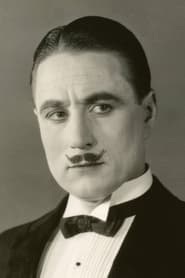
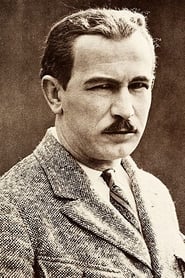
The production of 'A Submarine Pirate' took place during Keystone Studios' golden age under Mack Sennett's leadership. Charles Avery, who had previously been an actor before transitioning to directing, brought his understanding of physical comedy to the project. The film's submarine sequences required significant technical innovation for 1915, with the crew having to devise creative solutions for filming underwater effects. They likely used a combination of models, glass tanks filled with water, and clever editing to create the illusion of submarine action. Syd Chaplin, though often overshadowed by his famous half-brother Charlie, was a skilled physical comedian who brought his own unique style to the role. The cast and crew worked with the typical Keystone efficiency, completing the film in just a few days of shooting, which was standard practice for the studio's high-volume production schedule.
What critics said
Reviewers in 1915 weighed A Submarine Pirate on clarity, pacing, and audience response rather than prestige status. No single canonical review dominates later reference works for the title.
Did you know?
- Syd Chaplin, the star of the film, was Charlie Chaplin's older half-brother and had his own successful career in silent comedies
- The submarine featured in the film was likely a model or mock-up, as actual submarines were rare and expensive to film with in 1915
- Director Charles Avery was a former actor who transitioned to directing at Keystone Studios
- This film was released during World War I, a time when submarine warfare was making headlines and capturing public imagination
- The film's underwater sequences were achieved using innovative camera techniques for the era, including glass tanks and creative editing
- Keystone Studios was known for its fast production schedule, often completing films in just a few days
- The film's theme of underwater piracy was relatively novel for 1915, capitalizing on both the submarine craze and the popularity of adventure films
- Glen Cavender, who appears in the film, was a regular Keystone player who often worked with both Chaplin brothers
- The original film likely featured live musical accompaniment during theatrical screenings, as was standard for silent films
- This film represents an early example of the submarine genre in cinema, predating more famous submarine films by decades
Visual style
The cinematography in 'A Submarine Pirate' was notable for its ambitious attempts to simulate underwater sequences, which were technically challenging in 1915. The filmmakers likely employed a combination of techniques including shooting through glass tanks, using submerged cameras (primitive versions), and creative editing to create the illusion of submarine action. The above-water sequences featured the typical Keystone style of cinematography, with static camera positions that allowed the physical comedy to play out clearly. The film's visual approach emphasized clarity over artistic experimentation, which was standard for comedy films of the era where the audience needed to clearly see the slapstick action. The submarine model work and miniature effects were considered impressive for their time.
Innovations
The film's most significant technical achievement was its successful simulation of underwater sequences and submarine operations in 1915. The production team developed innovative methods for creating the illusion of underwater photography, including the use of glass tanks, mirrors, and possibly underwater camera housings. The submarine model work was particularly impressive for the period, featuring detailed miniatures that could be filmed to suggest full-scale vessels. The film also utilized early special effects techniques for showing the submarine's movement and the underwater environment. These technical innovations, while primitive by modern standards, were cutting-edge for their time and contributed to the film's visual appeal and sense of adventure.
Music
As a silent film, 'A Submarine Pirate' would have been accompanied by live musical performance during its original theatrical screenings. The typical accompaniment would have included a pianist or small theater orchestra providing background music and sound effects. The score likely included popular songs of the era, classical pieces, and specially composed musical cues to enhance the comedy and action sequences. For the submarine scenes, the music would have been more dramatic and mysterious, while the comedic moments would have been accompanied by lighter, more playful melodies. Unfortunately, no specific information about the original musical accompaniment for this particular film has survived.
Famous quotes
(Silent film - no dialogue quotes available, but intertitles included: 'He's going to be a submarine pirate!', 'The gold is ours!', 'Dive! Dive! Dive!']
Memorable scenes
- The scene where Syd Chaplin's character first tricks his way onto the submarine crew, using his waiter skills to impress the unsuspecting captain. The underwater sequence where the submarine encounters various sea creatures, creating panic and comedy among the amateur pirates. The climactic heist scene where the submarine attempts to intercept the gold bullion ship, resulting in chaotic slapstick action and near-misses. The final escape sequence where the submarine surfaces unexpectedly, creating a comedic resolution to the adventure.
What audiences thought
Audiences in 1915 responded positively to 'A Submarine Pirate,' finding the combination of submarine adventure and slapstick comedy entertaining. The film's timely theme of submarine warfare, presented in a comedic context, likely appealed to moviegoers who were fascinated by real submarine operations reported in news coverage of World War I. Syd Chaplin, though not as famous as his brother Charlie, had his own fan following and delivered the physical comedy that audiences expected from Keystone productions. The film's relatively short runtime (about 20 minutes) made it ideal as part of a varied theater program, which typically included multiple short films, newsreels, and sometimes a feature presentation.
Film connections
Influenced by
- Contemporary news about submarine warfare in WWI
- Popular adventure literature of the 1910s
- Earlier Keystone comedy formulas
- Jules Verne-style adventure stories
- Physical comedy traditions from vaudeville
This film influenced
- Later submarine adventure films of the silent era
- Comedy films featuring elaborate heists
- Underwater comedy sequences in later films
- Adventure-comedy hybrids
Film restoration
The preservation status of 'A Submarine Pirate' is uncertain, as many silent films from this era have been lost or exist only in fragmentary form. Some sources suggest that portions or the complete film may exist in film archives such as the Library of Congress or the Museum of Modern Art's film collection. However, comprehensive information about its current preservation status is not readily available. The film, like many Keystone productions, may exist only in incomplete copies or as fragments in private or institutional collections.
Where to watch
- The film's current availability for viewing is limited due to its age and preservation status. It may occasionally be shown at silent film festivals or special screenings at film archives. Some portions or the complete film might be available through specialized film archives or silent film databases. The film could potentially be found in educational collections or through film preservation organizations that specialize in silent cinema. Online availability would depend on whether any surviving copies have been digitized and made accessible through public domain or archival channels.