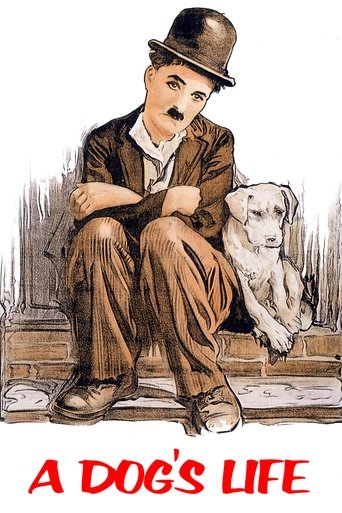
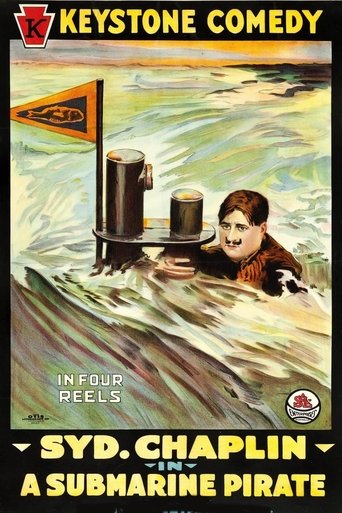
Films
2 films
About Minnie Chaplin
Child actress who briefly appeared in silent films during the mid-1910s, working primarily with the Charlie Chaplin's production company. Her most notable roles came in two significant films from Chaplin's Mutual Film Corporation period: 'A Submarine Pirate' (1915) and 'A Dog's Life' (1918), where she demonstrated the natural charm and comedic timing that characterized child actors of the silent era. Although her film career was exceptionally brief, spanning only from 1915 to 1918, she had the unique opportunity to work during creative and influential periods in cinema history. Her appearances in these Chaplin productions placed her at the very center of early Hollywood's burgeoning comedy scene, working alongside some of the most talented performers of the day. The exact circumstances of how she came to work with Chaplin's company remain somewhat mysterious, as detailed records about child actors from this period are often incomplete. After her brief stint in films, she seemingly disappeared from the entertainment industry entirely, leading to speculation that she returned to a normal childhood away from the cameras. Her story represents that of countless child actors from the silent era who briefly shone on screen before fading back into private life.
The Craft
On Screen
As a child actress in the silent era, Minnie Chaplin likely employed naturalistic expressions and gestures typical of child performers of the period, relying on visual storytelling through facial expressions and physical comedy to convey emotions and character without dialogue.
Milestones
- Appeared in 'A Submarine Pirate' (1915) during Chaplin's Mutual period
- Featured in 'A Dog's Life' (1918), one of Chaplin's most celebrated First National films
- Worked directly with Charlie Chaplin during his most creative period
- Participated in the golden age of silent comedy
Best Known For
Iconic Roles
Must-See Films
Working Relationships
Worked Often With
Studios
Why They Matter
Impact on Culture
Minnie Chaplin's cultural impact, while minimal due to her brief career, lies in her participation in two historically significant Charlie Chaplin films that represent some of the most important works of silent cinema. Her appearance in 'A Dog's Life' places her within a film that is studied by film scholars worldwide as a masterpiece of silent comedy and social commentary. As a child performer working with Chaplin during his Mutual and First National periods, she contributed to films that helped establish the language of cinematic comedy that would influence generations of filmmakers. Her presence in these productions, however small, represents the often-overlooked contributions of child actors to the golden age of silent film.
Lasting Legacy
Minnie Chaplin's legacy is that of a footnote in the vast history of silent cinema, representing the countless child actors who briefly graced the silver screen during Hollywood's formative years. Her connection to Charlie Chaplin ensures that her name, however obscure, remains part of the historical record of one of cinema's greatest artists. Her story serves as a reminder of the transient nature of early film careers, especially for child performers who often disappeared from public view after their moment in the spotlight. While she never achieved lasting fame, her participation in two of Chaplin's important works means she is forever part of the silent film history.
Who They Inspired
Given her extremely brief career and limited filmography, Minnie Chaplin's direct influence on other performers or filmmakers is negligible. However, as part of Chaplin's ensemble during his most creative period, she contributed to films that would influence countless comedians and filmmakers in subsequent decades. Her work, though minimal, was part of the foundation upon which film comedy was built, influencing everything from physical comedy techniques to the use of children in cinematic narratives.
Off Screen
Very little is documented about Minnie Chaplin's personal life, which was common for child actors of the silent era who often returned to anonymity after their brief film careers. Her disappearance from film records after 1918 suggests she likely pursued a normal life away from the entertainment industry.
Did You Know?
- Her surname 'Chaplin' is likely coincidental and not related to Charlie Chaplin, though this has led to confusion among film historians
- She appeared in films from two different Chaplin production companies: Mutual and First National
- Her film career lasted only three years, typical for many child actors of the silent era
- No photographs of her are definitively identified in film archives
- Her exact role in 'A Submarine Pirate' is uncredited and not clearly documented in surviving film prints
- She represents the many child actors from silent films whose complete biographies have been lost to time
- Her disappearance from film records after 1918 is typical of the era's child performers who often returned to normal lives
Frequently Asked Questions
Who was Minnie Chaplin?
Screen credits include silent films during the mid-1910s, most notably in Charlie Chaplin's productions 'A Submarine Pirate' (1915) and 'A Dog's Life' (1918). Her career was extremely brief, lasting only from 1915 to 1918, after which she disappeared from film records entirely.
What films is Minnie Chaplin best known for?
Titles linked here include A Dog's Life (1918), A Submarine Pirate (1915).
When was Minnie Chaplin born and when did she die?
Unfortunately, Minnie Chaplin's birth and death dates are not documented in historical records, which was common for child actors of the silent era who often returned to anonymity after their brief film careers.
What awards did Minnie Chaplin win?
Minnie Chaplin did not receive any awards or nominations during her brief film career, as she was a child actress in the silent era when formal acting awards were not yet established for film performances.
What was Minnie Chaplin's acting style?
As a child actress in the silent era, Minnie Chaplin likely employed naturalistic expressions and physical comedy typical of child performers of the period, relying on visual storytelling through facial expressions and gestures to convey emotions without dialogue.
Was Minnie Chaplin related to Charlie Chaplin?
Despite sharing the same surname, there is no evidence that Minnie Chaplin was related to Charlie Chaplin. Her surname was likely coincidental, though this has caused confusion among film historians researching silent era performers.