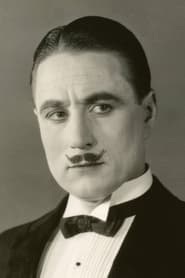
Syd Chaplin
Actor & Director
Born: March 16, 1885 in London, England Died: April 16, 1965 Active: 1915-1935 Birth Name: Sydney John Hill
Films
8 films

About Syd Chaplin
Syd Chaplin, born Sydney John Hill, was the elder half-brother of Charlie Chaplin and a notable figure in early cinema history. He began his career in British music halls before transitioning to film, where he became both a character actor and director. Syd frequently appeared in his brother's films, often serving as a comic foil or supporting character, while also developing his own independent career. Beyond acting, he as Charlie's business manager, helping negotiate lucrative contracts and establish Chaplin Studios. His more grounded, straightforward acting style provided the perfect counterpoint to Charlie's Tramp character. After his Hollywood career, Syd found success in Australia, where he continued acting and producing films. His life was marked by both professional achievements and the complex dynamics of being related to one of cinema's most figures.
The Craft
On Screen
Syd Chaplin developed a more grounded and realistic acting style compared to his brother's exaggerated physical comedy. He often played the straight man or comic foil, using subtle facial expressions and naturalistic movements. His performances were characterized by a everyman quality that audiences could relate to, making him an effective supporting character. Unlike the Tramp's pathos, Syd's characters were typically more confident and worldly, providing a perfect counterbalance to Charlie's comedic timing.
Behind the Camera
As a director, Syd Chaplin favored straightforward storytelling with clear comedic situations. His films often featured military themes and working-class protagonists, reflecting his own background. He emphasized practical effects and location shooting over the elaborate sets sometimes used in Hollywood productions. His directorial approach was efficient and commercially-minded, focusing on entertainment value while maintaining technical quality.
Milestones
- Appeared in over 30 films including many with Charlie Chaplin
- Directed 'The Better 'Ole' (1926), a successful war comedy
- Served as Charlie Chaplin's business manager and helped establish Chaplin Studios
- Had successful independent career in Australia during the 1920s and 1930s
- Transitioned from music hall performer to film actor and director
Best Known For
Iconic Roles
Must-See Films
Accolades
Special Recognition
- Star on the Hollywood Walk of Fame
- Inducted into the Australian Film Industry Hall of Fame
Working Relationships
Worked Often With
Studios
Why They Matter
Impact on Culture
Syd Chaplin's impact on cinema extends beyond his on-screen performances. As Charlie Chaplin's business manager, he helped establish the independent production model that would later become standard in Hollywood. His negotiations with studios set precedents for artist control and profit participation. In Australia, he helped develop the local film industry through his productions and mentorship. Syd demonstrated that supporting actors could have significant careers in their own right, paving the way for character actors to gain recognition. His business acumen showed that artists could successfully manage their own careers in the emerging studio system.
Lasting Legacy
Syd Chaplin's legacy is multifaceted - as a performer who carved out his own identity despite being related to cinema's biggest star, as a businessman who helped establish independent film production, and as a pioneer in Australian cinema. While often overshadowed by his brother, Syd's contributions to early film were significant. His work in negotiating Charlie Chaplin's contracts helped create the template for artist-driven production companies. His films, particularly 'The Better 'Ole,' remain important examples of World War I cinema. In Australia, he's remembered as a key figure in the development of their film industry during the silent era.
Who They Inspired
Syd Chaplin influenced the development of supporting roles in comedy films, showing how straight men could be essential to comedic success. His business practices influenced how artists negotiated with studios, helping establish the independent production model. In Australia, his work inspired local filmmakers and demonstrated the viability of a national film industry. His naturalistic acting style contrasted with the more exaggerated performances common in silent films, influencing a more subtle approach to screen acting. He also showed that family members of famous stars could build their own successful careers in the industry.
Off Screen
Syd Chaplin's personal life was marked by both success and challenges. He married twice, first to Minnie Chaplin (no relation) and later to Henriette. He had two children, Sydney Jr. And Norman. Unlike his brother's tumultuous romantic life, Syd's relationships were relatively stable. He struggled with alcoholism later in life, which affected his career. His relationship with Charlie was complex - while professionally supportive, there were periods of tension, particularly regarding financial matters. Syd eventually settled in Australia, where he spent his final years away from the Hollywood spotlight.
Education
Limited formal education; primarily self-taught through music hall experience and practical film work
Family
- Minnie Chaplin (1915-1925)
- Henriette (1925-1965)
Did You Know?
- He was Charlie Chaplin's half-brother, sharing the same mother but different fathers
- Syd introduced Charlie to the Fred Karno comedy troupe, launching Charlie's career
- He served in the British Army during World War I before returning to acting
- Syd was instrumental in establishing United Artists alongside Charlie, Mary Pickford, Douglas Fairbanks, and D.W. Griffith
- He managed Charlie's finances during his most productive period
- Syd was taller and more conventionally handsome than his famous brother
- He appeared in the first film Charlie ever directed, 'Caught in the Rain' (1914)
- His son, Sydney Chaplin Jr., became a successful actor in his own right
- Syd was known for his practical jokes on set, often at Charlie's expense
- He moved to Australia in the 1920s and became a major figure in their film industry
- Unlike Charlie, Syd adapted easily to sound films, though his career was winding down by then
In Their Own Words
Being Charlie's brother was both the greatest blessing and the heaviest burden of my life.
I may not have been the star, but I was the one who made sure the star got paid.
In our family, comedy wasn't just a job - it was survival.
Charlie had the genius, but I had the business sense. Together, we were unstoppable.
The Tramp may have been silent, but the business behind him spoke volumes.
Frequently Asked Questions
Who was Syd Chaplin?
Syd Chaplin was the elder half-brother of Charlie Chaplin and a notable actor, director, and business manager in early cinema. While often overshadowed by his famous brother, Syd had his own successful career in silent films and played a crucial role in managing Charlie's business affairs, helping establish Chaplin Studios and negotiate landmark contracts.
What films is Syd Chaplin best known for?
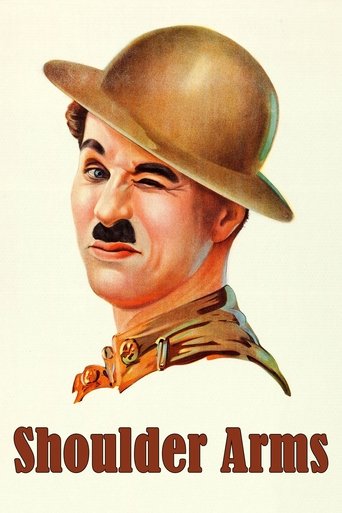
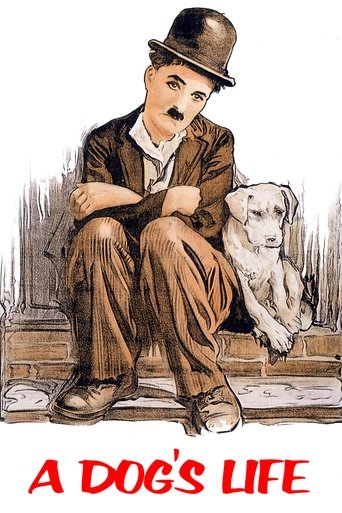
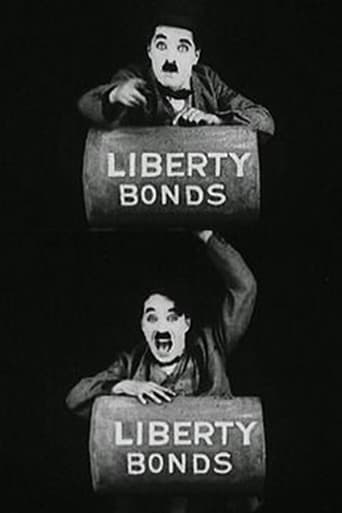
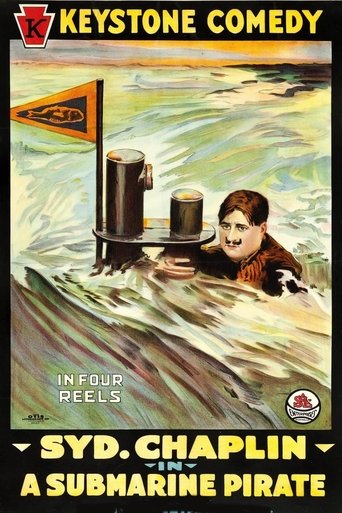
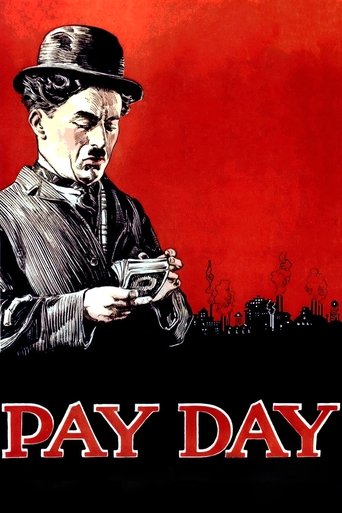
Syd Chaplin is best known for his appearances in Charlie Chaplin films like 'Shoulder Arms' (1918), 'A Dog's Life' (1918), and 'Pay Day' (1922). He also directed and starred in 'The Better 'Ole' (1926), which was a significant success. His other notable films include 'A Submarine Pirate' (1915) and 'The Bond' (1918).
When was Syd Chaplin born and when did he die?
Syd Chaplin was born on March 16, 1885, in London, England, and died on April 16, 1965, at the age of 80. He spent his final years in Australia, where he had built a second career in the film industry after his Hollywood period ended.
What awards did Syd Chaplin win?
While Syd Chaplin didn't receive major awards during his lifetime, he was posthumously honored with a star on the Hollywood Walk of Fame and was inducted into the Australian Film Industry Hall of Fame. His greatest recognition came through his successful films and his role in establishing independent film production.
What was Syd Chaplin's acting style?
Syd Chaplin's acting style was more naturalistic and grounded compared to his brother's exaggerated physical comedy. He often played straight man roles or comic foils, using subtle expressions and realistic movements. His everyman quality made him relatable to audiences, and he provided perfect counterbalance to Charlie's iconic Tramp character in their collaborations.