
Shoulder Arms
"A doughboy behind enemy lines"
Keys: Space play/pause · ←/→ 10s · F fullscreen · M mute · </> speed
About this film
An American doughboy, stationed in France during the Great War, goes on a daring mission behind enemy lines and becomes a hero.
Cast & crew
More films like this

More Comedy films
View all →






More from Charlie Chaplin
View all →


More about this film
About the production
Release dateOctober 20, 1918
BudgetApproximately $250,000 (a substantial budget for 1918)
Box officeHighly successful, grossing over $3.5 million worldwide, making it one of Chaplin's most profitable films of the era
ProductionFirst National Pictures, Charlie Chaplin Productions
Filmed inHollywood, California, Chaplin Studios at La Brea Avenue, Various locations in Los Angeles County
Filmed during the final months of World War I, the production faced challenges recreating trench warfare conditions. Chaplin built elaborate sets depicting French battlefields and German trenches. The film was completed just weeks before the Armistice was signed, making its release particularly timely. Chaplin reportedly spent $100,000 on the trench set alone, an unprecedented amount for a comedy film at the time.
Themes
War and humanityHeroism in ordinary peopleThe absurdity of warPatriotism vs. individualismDreams vs. reality
Themes & topics
World War ITrench warfareDoughboyComedyHeroismBehind enemy linesDisguiseDream sequenceMilitary trainingCapture and escapeBrothers in armsFrench countrysideGerman soldiersPropagandaSilent film
Historical background
Made in 1918, Shoulder Arms reflects production norms of the silent era before feature-length dominance—shorter runtimes, regional audiences, and limited preservation infrastructure.
Why this film matters
Historians reference Shoulder Arms (1918) when discussing 1918 film by Charlie Chaplin.
Making of
The production of 'Shoulder Arms' was a massive undertaking for its time, with Chaplin investing unprecedented resources into creating realistic war scenes. The famous trench set was constructed with the help of military consultants and extended over 200 feet. Chaplin, known for his perfectionism, reportedly shot the tree trunk disguise scene over 30 times to achieve the perfect comic timing. The film was made while Chaplin was at the height of his fame and under an extremely lucrative contract with First National Pictures. During filming, Chaplin experienced creative blocks and temporarily abandoned the project, only to return with renewed inspiration after visiting actual army training camps. The dream sequence was particularly challenging to film, requiring innovative special effects techniques that were groundbreaking for 1918 cinema.
What critics said
Where contemporary reviews survive, Shoulder Arms is discussed in terms of audience appeal at release; later criticism often reframes it through archive restoration and festival programming.
Did you know?
- This was Charlie Chaplin's first full-length feature film, marking his transition from short comedies to feature-length productions
- The film was completed and ready for release when World War I ended, making its release date particularly poignant
- Chaplin's brother Syd Chaplin played both the Tramp's sergeant and the Kaiser of Germany, showcasing remarkable versatility
- The tree trunk disguise sequence became one of Chaplin's most iconic visual gags and was extensively imitated in later comedies
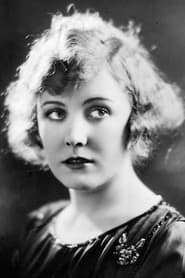
- Edna Purviance, Chaplin's leading lady, plays a French farm girl who helps the Tramp behind enemy lines
- The film's success convinced Chaplin that feature-length comedies were commercially viable, influencing his future career decisions
- A young Jackie Coogan, who would later star with Chaplin in 'The Kid', appears briefly as a child soldier
- The dream sequence where the Tramp returns home as a hero was revolutionary for its time, using innovative editing techniques
- Chaplin reportedly consulted with actual WWI veterans to ensure authenticity in the military sequences
- The film was banned in several neutral countries during WWI due to its pro-Allied stance
Awards & recognition
- Special Recognition Award from the National Board of Review (1918)
- Best Comedy Film - Motion Picture Magazine (1919)
- Medal of Honor from the French Government for promoting Allied morale (1919)
Visual style
The cinematography of 'Shoulder Arms' was groundbreaking for its time, featuring innovative techniques that enhanced both the comic and dramatic elements. Chaplin and his cinematographer Roland Totheroh employed deep focus photography in the trench sequences to create a sense of depth and realism. The famous tree trunk disguise scene used clever camera angles to maintain the illusion while maximizing comic effect. The dream sequence utilized innovative editing techniques and multiple exposures to create a surreal, otherworldly atmosphere. The battle scenes employed wide shots that captured the scale of warfare while still allowing for Chaplin's intimate comedic moments. The film's visual style balanced the gritty realism of war with the stylized comedy of the Tramp character, creating a unique aesthetic that influenced countless future war films.
Innovations
'Shoulder Arms' featured several technical innovations that were ahead of their time. The elaborate trench system set was a marvel of production design, incorporating moving parts and realistic details that set new standards for film sets. The dream sequence employed pioneering special effects techniques including multiple exposures and innovative editing to create surreal visuals. The film's use of location shooting combined with studio sets demonstrated new possibilities for visual storytelling. Chaplin's team developed new camera rigs to achieve the complex movements needed for the battle sequences. The film's editing techniques, particularly in the montage sequences, were innovative in their use of rhythm and pacing to build dramatic tension while maintaining comic timing.
Music
As a silent film, 'Shoulder Arms' was originally accompanied by live musical performances in theaters. Chaplin himself composed the original score, which was distributed to theaters along with the film. The music incorporated popular patriotic songs of the era alongside original compositions that enhanced both the comic and dramatic moments. The score featured themes for the Tramp character, military marches for the battle scenes, and romantic melodies for the scenes with Edna Purviance. Modern restorations have included newly recorded orchestral scores based on Chaplin's original compositions. The film's soundtrack exemplifies how music could elevate silent film storytelling, with cues that guided audience emotions through the film's tonal shifts from comedy to drama.
Famous quotes
The Tramp: 'If you want to get out of the army, just tell 'em you're married!' (to a fellow recruit during basic training)
Sergeant (Syd Chaplin): 'You're the worst soldier I've ever seen, but you might just be the luckiest!' (after the Tramp accidentally captures German soldiers)
The Tramp: 'I dreamed I was a hero... and then I woke up' (after his dream sequence of returning home victorious)
German Officer: 'This American soldier fights like a coward... but wins like a genius!' (after the Tramp's unexpected victories)
The Tramp: 'Even in war, there's time for a little dance' (while attempting to entertain fellow soldiers in the trenches)
Memorable scenes
- The iconic tree trunk disguise sequence where the Tramp, disguised as a tree, attempts to sneak through German territory, accidentally capturing enemy soldiers while trying to remain still
- The elaborate dream sequence where the Tramp imagines returning home as a decorated hero, complete with ticker-tape parade and romantic reunion
- The basic training montage showing the Tramp's comical incompetence at military drills, including the famous 'marching in place' gag
- The trench warfare scenes where Chaplin masterfully balances the horror of war with moments of human comedy and connection
- The final battle sequence where the Tramp inadvertently leads his fellow soldiers to victory through a series of lucky accidents
What audiences thought
Audiences responded with unprecedented enthusiasm to 'Shoulder Arms', making it one of the biggest box office successes of 1918. The film's timely release just as World War I ended created a perfect storm of public interest and patriotic fervor. Veterans and their families particularly appreciated Chaplin's respectful yet humorous treatment of military life. The film played to packed houses across America and Europe for months, with many theaters adding additional showings to meet demand. Audience reaction was so positive that Chaplin received thousands of letters from soldiers thanking him for his portrayal of their experience. The film's success helped cement Chaplin's status as the world's most popular entertainer, with his earnings from this single film exceeding what most people made in a lifetime.
Film connections
Influenced by
- The Great Train Robbery (1903) - for narrative structure
- Mack Sennett comedies - for slapstick techniques
- D.W. Griffith's war films - for battle scene staging
- European war documentaries - for authenticity
- Shakespearean comedies - for blending humor with serious themes
This film influenced
- The Big Parade (1925)
- All Quiet on the Western Front (1930)
- Duck Soup (1933)
- The Great Dictator (1940)
- M*A*S*H (1970)
- Good Morning, Vietnam (1987)
- Life is Beautiful (1997)
- Jojo Rabbit (2019)
Film restoration
Excellent. 'Shoulder Arms' has been fully preserved by the Museum of Modern Art, the British Film Institute, and the Chaplin Archive. Multiple high-quality restorations have been completed, with the most recent being a 4K digital restoration in 2019 by the Cineteca di Bologna. The original nitrate negatives are stored in climate-controlled archives, and the film is readily available on Blu-ray and streaming platforms. The preservation status is considered among the best for films of this era, thanks to Chaplin's own meticulous preservation efforts and the film's historical significance.
Where to watch
- The Criterion Channel
- The Charlie Chaplin Official YouTube Channel
- Kino Lorber Blu-ray collection 'Chaplin at Mutual/First National'
- The Criterion Collection Blu-ray box set
- Amazon Prime Video (various editions)
- Apple TV/iTunes
- Google Play Movies
- FilmStruck (when available)
- Various public domain archives
- Educational streaming services like Kanopy