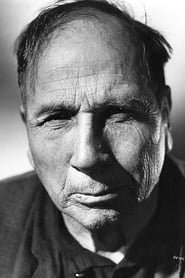
Tom Wilson
Actor
Born: April 27, 1880 in St. Louis, Missouri, USA Died: February 12, 1965 Active: 1915-1926 Birth Name: Thomas Wilson
Films
15 films
The Immigrant
1917
Sunnyside
1919
Amarilly of Clothes-Line Alley
1918
The Bond
1918
A Day's Pleasure
1919
The Mystery of the Leaping Fish
1916
The Professor
1919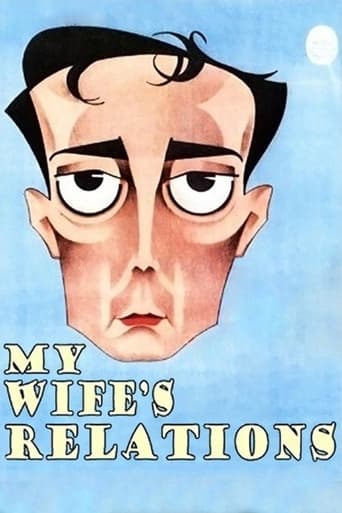
My Wife's Relations
1922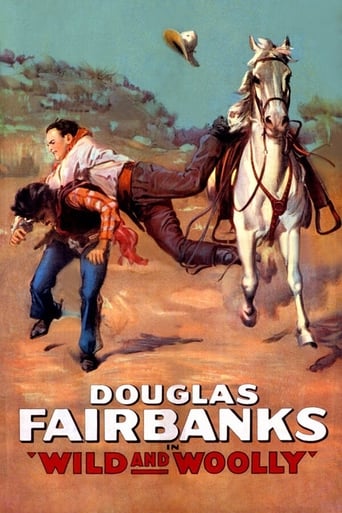
Wild and Woolly
1917
The Half-Breed
1916
Battling Butler
1926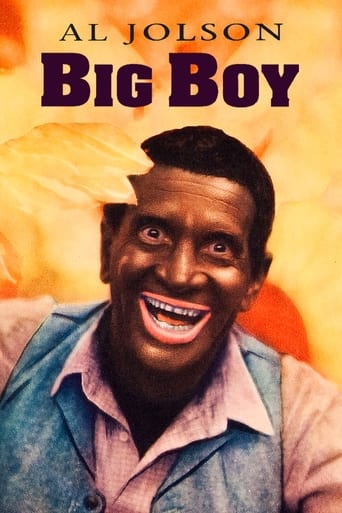
Big Boy
1930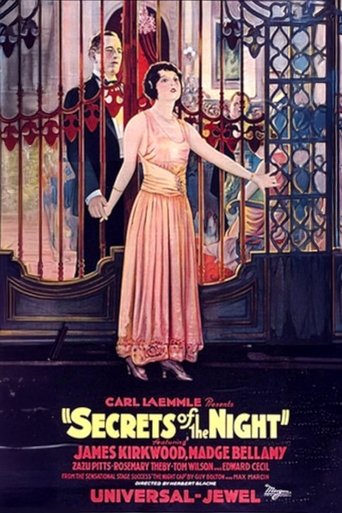
Secrets of the Night
1924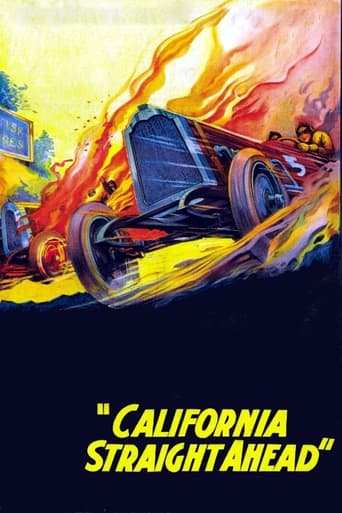
California Straight Ahead
1925About Tom Wilson
prominent character actor of the silent film era — known for his imposing physical presence and versatile performances in both dramatic and comedic roles. Born in 1880 in Missouri, Wilson began his film career around 1915 and quickly became a recognizable face in Hollywood productions. He worked extensively with some of the biggest stars of the era, including Charlie Chaplin, Douglas Fairbanks, and Mary Pickford, often playing antagonists, authority figures, or comic relief characters. Wilson's career peaked during the late 1910s and early 1920s when he appeared in numerous successful productions for major studios. His distinctive appearance, with his large frame and expressive face, made him particularly effective in silent cinema where physical performance was paramount. Wilson continued working through the transition to sound films, though his roles became less frequent as the industry changed. Tom appears in his final films in the mid-1920s before retiring from the screen.
The Craft
On Screen
Wilson was known for his physical comedy and exaggerated expressions typical of silent era acting, but with a subtlety that made his performances memorable. His large frame and commanding presence allowed him to play both intimidating villains and comedic figures effectively. He had a particular talent for slapstick timing and could convey emotion through facial expressions and body language without dialogue.
Milestones
- Regular collaborator with Charlie Chaplin in classic comedies
- Featured role in Douglas Fairbanks' 'The Mystery of the Leaping Fish'
- Memorable appearance in D.W. Griffith's 'The Half-Breed'
- Worked with major studios including Mutual, Famous Players, and Fox
- Transitioned successfully from supporting roles to featured character parts
Best Known For
Iconic Roles
Must-See Films
Accolades
Special Recognition
- Recognized as
Working Relationships
Worked Often With
Studios
Why They Matter
Impact on Culture
Tom Wilson contributed significantly to the development of character acting in silent cinema, helping establish the archetype of the versatile supporting player who could adapt to various roles across different genres. His work with Chaplin helped define the dynamic between the Little Tramp character and various antagonists, creating templates that would be used throughout silent comedy. Wilson's ability to balance menace with comedy influenced how supporting characters were written and performed in subsequent films.
Lasting Legacy
Though not a household name like the stars he supported, Tom Wilson's legacy lives on through his contributions to classic silent films that continue to be studied and appreciated by film historians and enthusiasts. His performances in Chaplin's works remain examples of perfect supporting character work in comedy. Film scholars often cite Wilson as an example of the skilled character actors who were essential to the success of early Hollywood productions, providing the necessary contrast and support that allowed stars to shine.
Who They Inspired
Wilson's physical comedy techniques and character development influenced subsequent generations of character actors, particularly those working in physical comedy. His ability to create memorable characters with limited screen time set a standard for supporting performances in cinema. Many later character actors, particularly in comedy, drew inspiration from Wilson's ability to balance humor with genuine threat, a combination that became increasingly important in film comedy.
Off Screen
Tom Wilson maintained a relatively private personal life away from the Hollywood spotlight. He married early in his career and had children, though specific details about his family life remain limited in historical records. Unlike many of his contemporaries, Wilson avoided the Hollywood party scene and was known as a dedicated professional who focused on his craft. After retiring from films, he lived a quiet life in California, occasionally appearing in local theater productions until his death in 1965.
Education
Limited formal education, likely attended local schools in St. Louis before entering show business
Family
- Margaret Wilson (1905-1965)
Did You Know?
- Stood over 6 feet tall, making him an imposing figure in silent films
- Often typecast as bullies or authority figures due to his size and appearance
- Worked with Charlie Chaplin in at least 8 different films
- Was one of the few actors who successfully transitioned from Mack Sennett's Keystone style to more sophisticated comedy
- His role in 'The Immigrant' as the immigration officer is considered
- Wilson was known for his professionalism and reliability on set, rarely missing shooting days
- He continued to work in films even as the industry transitioned to sound, though his opportunities diminished
- Wilson was reportedly one of Charlie Chaplin's favorite supporting actors
- He often performed his own stunts, which was unusual for character actors of his time
- Despite his intimidating screen presence, colleagues described him as gentle and kind off-camera
In Their Own Words
In silent pictures, your face had to do all the talking. Every muscle, every expression counted.
Working with Chaplin was like attending a master class in comedy every single day.
Being the heavy wasn't about being mean, it was about making the hero look good.
Frequently Asked Questions
Who was Tom Wilson?
Prolific American character with credits in this catalog. He specialized in playing antagonists, authority figures, and comic relief roles in over 100 films between 1915 and 1926.
What films is Tom Wilson best known for?
Titles linked here include The Immigrant (1917), The Mystery of the Leaping Fish (1916).
When was Tom Wilson born and when did he die?
Born April 27, 1880; died February 12, 1965.
What awards did Tom Wilson win?
During the silent era when Tom Wilson was active, formal acting awards were not yet established in Hollywood. While he didn't receive major awards, he was recognized by his peers as.
What was Tom Wilson's acting style?
Wilson specialized in physical comedy and exaggerated expressions typical of silent era acting, but with remarkable subtlety. His imposing physical presence allowed him to play both intimidating villains and comedic figures, and he excelled at conveying emotion through facial expressions and body language without dialogue.
How often did Tom Wilson work with Charlie Chaplin?
Tom Wilson was one of Charlie Chaplin's favorite supporting actors, appearing together in at least eight films during the late 1910s and early 1920s. Their most famous collaboration was 'The Immigrant' where Wilson played the immigration officer.
What happened to Tom Wilson's career after silent films?
Wilson's career declined with the transition to sound films in the late 1920s. While he appeared in a few early talkies, his opportunities diminished significantly, leading to his retirement from films around 1926. He spent his later years living quietly in California.
Was Tom Wilson related to other actors with the same name?
No, Tom Wilson was not related to other actors with similar names. He should not be confused with later actors like Tom Wilson from 'Back to the Future' or voice actor Tom Wilson, as he was a unique figure from the silent era with no familial connections to these performers.