
The Immigrant
"Steerage, Statue of Liberty, stolen cash"
Keys: Space play/pause · ←/→ 10s · F fullscreen · M mute · </> speed
About this film
A European immigrant endures a challenging voyage only to get into trouble as soon as he arrives in New York.
Cast & crew
More films like this

More Comedy films
View all →






More from Charlie Chaplin
View all →


More about this film
About the production
Release dateJune 17, 1917
Box officeUnknown - however, Chaplin's Mutual shorts were extremely profitable, often earning 10-20 times their production cost
ProductionMutual Film Corporation
Filmed inMutual Film Studio, Los Angeles, California, Studio sets designed to mimic ship interiors and New York locations
The Immigrant was one of twelve films Chaplin made for Mutual Film Corporation during his most productive period (1916-1917). The ship scenes were filmed on a specially constructed set that could be tilted to simulate ocean motion. The famous restaurant scene was shot over several days, with Chaplin insisting on perfecting the complex physical comedy involving sliding plates, difficult customers, and the final escape sequence. The film's production coincided with America's entry into World War I, which influenced Chaplin's sympathetic portrayal of immigrants.
Themes
Immigration and the American DreamSocial injustice and exploitationResilience in adversityLove and companionshipClass struggle
Themes & topics
immigrationEllis Islandrestaurantship voyagesteerage classimmigrant experiencephysical comedyromancesocial commentaryAmerican DreamexploitationbureaucracyhoperesilienceNew York City
Historical background
1917 press listings for The Immigrant named Mutual Film Corporation as the issuing firm on contemporary cue sheets.
Why this film matters
Later programmers cite The Immigrant when illustrating how 1917 scripts framed a european immigrant endures a challenging voyage only to get into trouble as soon as he a.
Making of
The production of The Immigrant showcased Chaplin's meticulous attention to detail and his growing artistic control over his films. For the ship sequences, Chaplin had his crew construct a massive set that could be mechanically tilted to create realistic rolling motion, allowing for the famous scene where characters slide across the deck. The restaurant sequence required weeks of rehearsal to perfect the complex timing of the physical comedy, including the iconic moment where Chaplin skillfully balances multiple plates while being harassed by customers. Chaplin's relationship with Edna Purviance extended beyond the screen, and he carefully crafted her character to be more than just a love interest, giving her agency and emotional depth unusual for female characters in silent comedy. The film's production coincided with Chaplin's growing fame and his increasing conflicts with Mutual Film Corporation over creative control and financial compensation, leading to his eventual move to United Artists. The immigration scenes were filmed with actual immigrants as extras, adding authenticity to the portrayal of the Ellis Island experience.
What critics said
Retrospective writers mention The Immigrant when tracing how 1917 audiences encountered a european immigrant endures a challenging voyage only to get into trouble as soon as he a.
Did you know?
- The Immigrant was selected for preservation in the United States National Film Registry in 1998 for being 'culturally, historically, or aesthetically significant'
- The famous scene where Chaplin kicks an immigration officer was considered controversial and was cut in some markets
- The ship deck scenes were filmed on a set built on rollers that could be tilted to simulate the ocean's movement
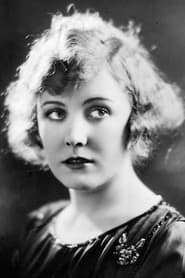
- Edna Purviance, who plays the female lead, was Chaplin's regular leading lady and appeared in 33 of his films
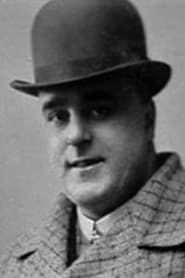
- Eric Campbell, who plays the restaurant owner, was Chaplin's primary antagonist during the Mutual period, appearing in 11 films
- The film's original title was 'The Brokers' but was changed during production
- Chaplin reportedly spent $50,000 on the ship set alone, an enormous sum for 1917
- The eating scene in the restaurant influenced countless future comedy films and became among the leading imitated sequences in cinema history
- Chaplin considered this one of his best Mutual shorts and often included it in his personal film compilations
- The film was banned in some countries due to its critical portrayal of immigration authorities and American capitalism
Awards & recognition
- Selected for National Film Registry (1998)
- Ranked #31 in AFI's 100 Funniest Movies (2000)
Visual style
The cinematography of The Immigrant, credited to Roland Totheroh and William C. Foster, demonstrates remarkable technical innovation for 1917. The ship sequences feature pioneering camera work, including the use of tilting platforms to simulate ocean motion and creative framing to convey the claustrophobic conditions of steerage class. The famous shot of the Statue of Liberty appearing through the ship's porthole became an iconic image in cinema, symbolizing both hope and the distant nature of the American dream. The restaurant scenes showcase sophisticated deep focus techniques, allowing multiple actions to occur simultaneously within the frame - a technical achievement that enhanced the complex physical comedy. The film's lighting evolved from the harsh, high-contrast style of the ship scenes to the warmer, more naturalistic lighting of the restaurant, reflecting the characters' journey from hardship to relative comfort. The camera movement in the final escape sequence, following the couple as they run from the restaurant, creates a sense of freedom and momentum that perfectly complements the emotional resolution.
Innovations
The Immigrant showcased several technical innovations that advanced the art of cinema. The most notable was the elaborate ship set built on mechanical tilting platforms, allowing for realistic simulation of ocean motion while maintaining camera stability - a significant engineering achievement for 1917. The film's use of deep focus photography in the restaurant scenes was ahead of its time, enabling multiple layers of action within a single shot. Chaplin's pioneering use of long takes, particularly in the restaurant sequence, demonstrated remarkable confidence in his performers and technical crew. The film's editing rhythm, especially in the montage sequence showing the ship's journey, influenced future documentary and narrative filmmaking techniques. The special effects used to create the illusion of the rolling sea involved innovative camera mounts and lighting techniques. The film's preservation and restoration in the late 20th century also contributed to advances in film restoration technology, particularly in dealing with nitrate film deterioration. The synchronization of physical comedy with musical cues in Chaplin's later composed score demonstrated sophisticated understanding of audio-visual relationships.
Music
As a silent film, The Immigrant originally featured live musical accompaniment that varied by theater. Chaplin himself composed a score for the film in the 1930s for re-release, which included the recurring theme 'The Vagabond' that he had composed earlier in his career. The original 1917 theatrical screenings typically featured a pianist or small orchestra playing popular songs of the era, classical pieces, and improvised music synchronized to the on-screen action. Modern restorations have used Chaplin's 1930s score as the basis, with some versions featuring newly recorded orchestrations. The music for the ship scenes traditionally used minor keys and dramatic tempos to emphasize the hardship of the journey, while the restaurant sequences featured lighter, more playful melodies. The final scene often incorporated uplifting, optimistic music to reinforce the film's hopeful conclusion. Chaplin's musical approach emphasized leitmotifs for characters, with the Tramp's theme appearing throughout to maintain emotional continuity.
Famous quotes
(Intertitle) 'In every port in the world, at least two people meet'
(Intertitle) 'The land of liberty - but not for everybody'
(Intertitle) 'A good waiter is hard to find - and easy to lose'
(Intertitle) 'Love makes the world go 'round - and sometimes 'round and 'round'
Memorable scenes
- The Tramp and other immigrants seasick on the tilting ship deck, sliding uncontrollably during rough weather
- The first glimpse of the Statue of Liberty through the ship's porthole, symbolizing arrival in America
- The chaotic restaurant scene where the Tramp struggles as a waiter, balancing plates while dealing with difficult customers
- The Tramp's clever method of paying his restaurant bill by finding money in a customer's pocket
- The final escape sequence where the Tramp helps the woman flee the predatory restaurant owner
- The emotional scene on Ellis Island where the Tramp comforts the grieving woman after her mother's death
- The iconic shot of the Tramp kicking the immigration officer who has been harassing him
- The tender moment when the Tramp shares his meager food with the hungry woman on the ship
What audiences thought
The Immigrant was enormously popular with audiences in 1917, becoming one of Chaplin's most successful Mutual releases. Contemporary theater owners reported packed houses and enthusiastic responses, particularly to the restaurant sequence which often drew applause and laughter. The film resonated strongly with immigrant audiences who saw their own experiences reflected on screen, while also appealing to native-born Americans through its universal themes of hope and perseverance. In the decades since its release, the film has maintained its popularity through revivals, film society screenings, and home video releases. Modern audiences continue to connect with the film's emotional core and physical comedy, with many considering it one of Chaplin's most accessible works. The film's availability on streaming platforms and DVD collections has introduced it to new generations, maintaining its status as a beloved classic. Audience polls consistently rank it among Chaplin's best short films, and it remains a favorite in film education programs for its perfect demonstration of silent comedy techniques and social commentary.
Film connections
Influenced by
- Georges Méliès' special effects techniques
- Mack Sennett's Keystone comedy style
- D.W. Griffith's narrative techniques
- European social realist films
- Contemporary newspaper accounts of immigrant experiences
- Chaplin's own experiences as an immigrant
This film influenced
- The Gold Rush (1925)
- City Lights (1931)
- Modern Times (1936)
- The Great Dictator (1940)
- Sullivan's Travels (1941)
- La Strada (1954)
- The Apartment (1960)
- When Harry Met Sally (1989)
- The Terminal (2004)
- The Grand Budapest Hotel (2014)
Film restoration
The Immigrant has been fully preserved and restored by various film archives. The original 35mm nitrate negative is held in the collection of the Museum of Modern Art, with additional preservation copies at the Library of Congress and the British Film Institute. The film underwent a major restoration in the 1990s as part of the Chaplin Mutual Films restoration project, which involved combining the best elements from multiple surviving prints to create the most complete version possible. The restoration addressed issues common to nitrate films, including decomposition, shrinkage, and color fading. In 2012, the film was included in The Criterion Collection's 'Chaplin Mutual Films' box set, featuring a new 4K digital restoration from original elements. The film's selection for the National Film Registry in 1998 ensured ongoing preservation efforts and funding. Digital versions are now widely available, ensuring the film's accessibility for future generations.
Where to watch
- The Criterion Channel (streaming)
- Kanopy (streaming with library card)
- The Criterion Collection DVD/Blu-ray 'Chaplin Mutual Films Vol. 2'
- YouTube (official Chaplin archives channel)
- Amazon Prime Video (for purchase or rental)
- Apple TV/iTunes (for purchase or rental)
- Google Play Movies (for purchase or rental)
- Various public domain collections (though quality varies)
- Film archives and museum screenings
- Educational film distribution services