Eric Campbell
Actor
Born: April 26, 1879 in Dunoon, Scotland Died: December 20, 1917 Active: 1916-1917 Birth Name: Alfred Eric Campbell
Films
11 films

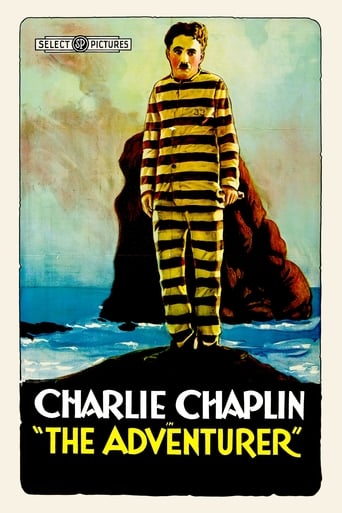
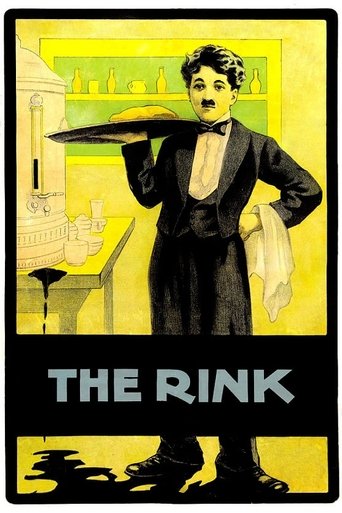


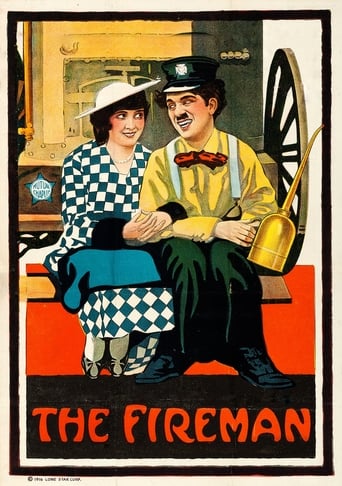
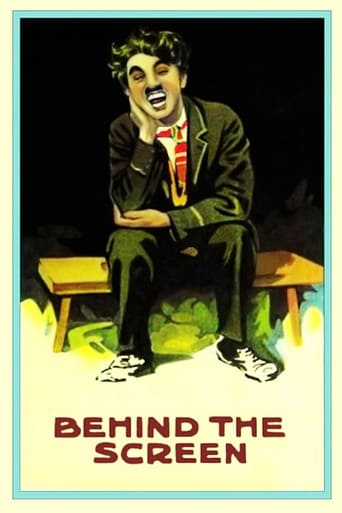
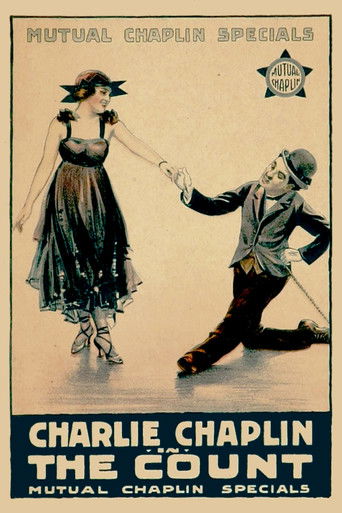
About Eric Campbell
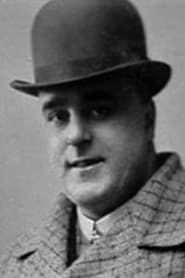
Scottish actor who became Charlie Chaplin's most memorable antagonist during the golden age of silent comedy. After a successful career on stage in both Britain and America, including work with Fred Karno's comedy troupe (where Chaplin also got his start), Campbell was discovered by Chaplin in 1916. His imposing 6'5" frame and 300-pound physique made him the perfect physical foil to Chaplin's diminutive Little Tramp character. Campbell appeared in 11 of Chaplin's 12 Mutual Film Corporation comedies, creating an dynamic between the giant bully and the clever underdog. His career was tragically cut short when he died in a car accident at age 38, just as his film stardom was beginning to flourish. Despite his brief two-year film career, Campbell on silent comedy and established the archetype of the comedic heavy that would influence generations of character actors.
The Craft
On Screen
Campbell specialized in physical comedy using his imposing size as both threat and punchline. His style combined menacing presence with comedic timing, often playing brutish characters who could be comically defeated by Chaplin's cleverness. He excelled at facial expressions that could shift from intimidating to bewildered in seconds, and his physical movements, despite his large frame, were surprisingly graceful and precise. Campbell understood the art of the slow burn, building comedic tension through his reactions to Chaplin's antics.
Milestones
- Discovered by Charlie Chaplin and signed to Mutual Film Corporation in 1916
- Appeared in 11 of Chaplin's 12 Mutual comedies as the primary antagonist
- Created the iconic 'Goliath' character type in silent comedy
- Established the physical comedy dynamic between large bully and small protagonist
Best Known For
Iconic Roles
Must-See Films
Accolades
Special Recognition
- Remembered as one of Charlie Chaplin's most essential collaborators
- Credited with establishing the 'heavy' archetype in silent comedy
- His performances are preserved as classics of silent film comedy
Working Relationships
Worked Often With
Studios
Why They Matter
Impact on Culture
Eric Campbell fundamentally shaped the language of physical comedy in silent film by establishing the classic dynamic between a large antagonist and small protagonist. His work with Chaplin created a template that would be copied by comedy teams for decades, from Laurel and Hardy to Abbott and Costello. Campbell proved that size could be used as both threat and comedy, showing that the most imposing figures could be defeated through wit rather than force. His performances demonstrated that character actors could be as essential to comedy as the stars themselves, elevating the role of the 'heavy' from mere obstacle to essential comic element.
Lasting Legacy
Campbell's legacy lives on through his enduring performances in some of cinema's most celebrated comedies. Though he appeared in only a dozen films, his work has been preserved and studied by film scholars and comedy enthusiasts for over a century. The 'Eric Campbell type' became a standard character in comedy films, with directors specifically seeking large, imposing actors who could play both threatening and humorous. His collaboration with Chaplin represents.
Who They Inspired
Campbell influenced generations of character actors who specialized in playing comedic antagonists, from James Finlayson in Laurel and Hardy films to Ted de Corsia in later comedies. His technique of using physical size as a comedic tool rather than just intimidation became standard practice in physical comedy. Modern comedy duos still employ the Campbell-Chaplin dynamic of contrasting physical types, proving the timeless nature of their collaborative formula. His work demonstrated that character actors could create memorable, beloved personas while playing antagonistic roles.
Off Screen
Eric Campbell married Pearl Argyle, a young dancer he met while performing in theater. The couple had one daughter, Una, who was only four years old when Campbell died tragically. Campbell was known as a gentle giant off-screen, contrasting sharply with his menacing on-screen persona. His death in a car accident on December 20, 1917, left his family devastated and cut short what promised to be a long and successful film career.
Education
Limited formal education, trained in theater and music hall performance
Family
- Pearl Argyle (1912-1917)
Did You Know?
- Stood 6'5" tall and weighed approximately 300 pounds, making him an imposing figure even by modern standards
- Was discovered by Chaplin while performing in a stage production at the Los Angeles Theater
- Appeared in 11 of Chaplin's 12 Mutual comedies, missing only 'The Kid Auto Races at Venice'
- His death occurred just as Chaplin was preparing to leave Mutual for a million-dollar contract with First National
- Chaplin was so devastated by Campbell's death that he struggled to find a suitable replacement for years
- Campbell was originally trained as a singer and had a beautiful baritone voice that was never used in films
- His daughter Una appeared as a baby in one of his stage productions before his film career
- The car accident that killed him also seriously injured his wife Pearl, who survived
- Chaplin kept Campbell's costume and used it as a reference for future antagonists
- A biography titled 'Eric Campbell: The Gentle Giant of Comedy' was published detailing his life and career
In Their Own Words
I'm not a villain, I'm just a very large man who happens to be in the wrong place at the wrong time - usually with Mr. Chaplin
Charlie makes me look like a monster, but the audience knows I'm really just a big softie who can't catch a break
In the theater, I had to project my voice to the back row. In pictures, I just have to stand still and look big
Frequently Asked Questions
Who was Eric Campbell?
Scottish with credits in this catalog. Known for his imposing 6'5" frame, he appeared in 11 of Chaplin's 12 Mutual Film comedies, creating an iconic dynamic between the giant bully and Chaplin's Little Tramp character.
What films is Eric Campbell best known for?
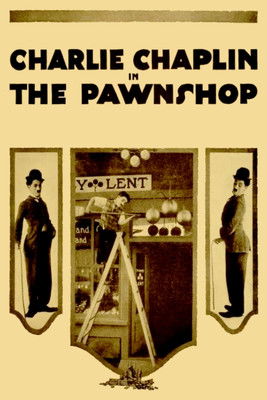
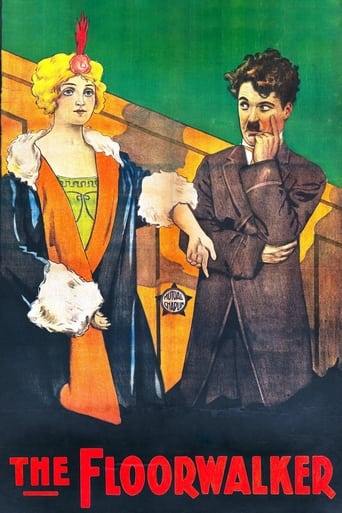
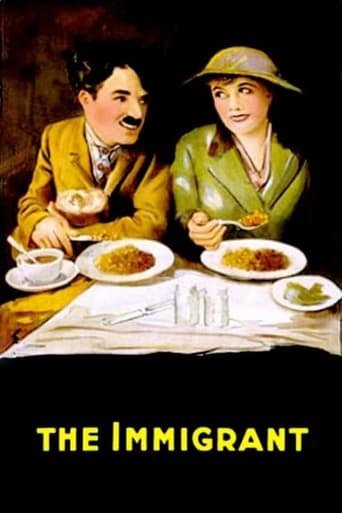
Titles linked here include The Pawnshop (1916), The Floorwalker (1916).
When was Eric Campbell born and when did he die?
Born April 26, 1879; died December 20, 1917.
What awards did Eric Campbell win?
Eric Campbell did not receive formal awards during his lifetime, as the award system for film performances was not yet established in the silent era. However, his legacy is honored through his enduring status as one of Chaplin's most essential collaborators and a pioneer of the comedic heavy character type.
What was Eric Campbell's acting style?
Campbell specialized in physical comedy using his imposing size as both threat and punchline. His style combined menacing presence with precise comedic timing, excelling at facial expressions that could shift from intimidating to bewildered. Despite his large frame, his movements were surprisingly graceful and he understood the art of building comedic tension through reactions.
How did Eric Campbell and Charlie Chaplin meet?
Chaplin discovered Campbell in 1916 while he was performing in a stage production at the Los Angeles Theater. Both had previously worked with Fred Karno's comedy troupe in Britain, giving them a shared theatrical background that contributed to their immediate on-screen chemistry.
What was Eric Campbell's impact on silent comedy?
Campbell established the archetype of the comedic heavy in silent film, creating the classic dynamic between large antagonist and small protagonist. His work influenced generations of comedy teams and proved that character actors could be as essential to comedy as the stars themselves, elevating the role of the 'heavy' from mere obstacle to essential comic element.