


The Vagabond
"Money playing the violin but"
Keys: Space play/pause · ←/→ 10s · F fullscreen · M mute · </> speed
About this film
A tramp tries to earn money by playing the violin, but he’s soon facing off against the jealous competition.
Cast & crew
More Comedy films
View all →






More from Charlie Chaplin
View all →


More about this film
About the production
Release dateJuly 10, 1916
BudgetApproximately $55,833 (part of Chaplin's $670,000 contract with Mutual for 12 films)
Box officeExact figures not documented, but highly successful as part of Chaplin's Mutual period
ProductionMutual Film Corporation
Filmed inChaplin Studios, Los Angeles, California
The film was shot during Chaplin's highly productive Mutual period, where he had complete creative control and larger budgets than previous years. The violin sequences required Chaplin to actually learn to play the instrument convincingly for the camera. The circus scenes were particularly challenging to coordinate, involving multiple performers and animals. Chaplin reportedly shot the final emotional walkaway scene multiple times to achieve the perfect balance of pathos and dignity.
Themes
Love and sacrificeSocial marginalizationThe dignity of the poorUnrequited loveArt as salvation
Themes & topics
Historical background
The Vagabond (1916) emerged during the silent era before feature-length dominance, when exhibition habits and national film industries were still taking shape.
Why this film matters
The Vagabond remains accessible through digital archives, giving modern viewers a direct link to 1916 screen culture.
Making of
The production of 'The Vagabond' took place during Chaplin's golden period at Mutual, where he enjoyed unprecedented creative freedom and substantial budgets. Chaplin was known for his perfectionism, often shooting scenes dozens of times to achieve the exact emotional tone he wanted. For the violin sequences, he spent weeks practicing to ensure his movements looked authentic. The circus scenes presented unique challenges, requiring careful coordination between human performers and animals. Chaplin worked closely with his regular team, including cinematographer Roland Totheroh and cameraman William C. McGann, to develop the film's distinctive visual style. The film's emotional depth reflected Chaplin's growing artistic ambition and desire to elevate the comedy genre beyond simple slapstick.
What critics said
Modern write-ups on The Vagabond (1916) tend to focus on preservation status, stylistic choices, and placement within director or studio filmographies.
Did you know?
- This was the fifth of twelve films Chaplin made for Mutual Film Corporation in what many consider his most creative period
- Chaplin actually learned to play the violin for this film, though the music heard was added later
- The film was one of Chaplin's personal favorites from his Mutual period due to its emotional depth
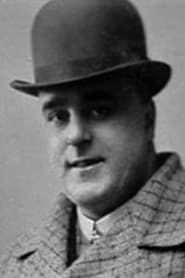
- Eric Campbell, who plays the circus owner, was Chaplin's regular antagonist during the Mutual years
- The original working title was 'The Tramp and the Girl' before being changed to 'The Vagabond'
- This film marked one of the first times Chaplin explored dramatic themes alongside comedy in a short film
- The circus sequence was inspired by Chaplin's childhood memories of traveling circuses in London
- The film's emotional ending was considered for comedy shorts of the era
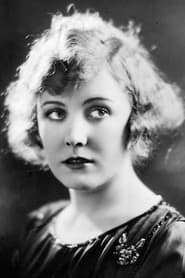
- Edna Purviance, Chaplin's leading lady, reportedly cried during the filming of the final scene
- The violin Chaplin used in the film was later auctioned off and became a collector's item
Visual style
The cinematography in 'The Vagabond,' handled by Chaplin's regular cameraman Roland Totheroh, employs techniques that were innovative for the time. The film makes effective use of close-ups to capture emotional moments, particularly in the scenes between Chaplin and Edna Purviance. The lighting in the outdoor scenes creates a romantic, almost painterly quality, while the circus sequences use dramatic shadows to enhance the sense of danger and oppression. The camera work during the violin-playing scenes carefully frames Chaplin's hands to emphasize his musical performance. The final walkaway scene uses a long shot to emphasize the Tramp's isolation and loneliness, creating a powerful visual metaphor for sacrifice and loss.
Innovations
While 'The Vagabond' didn't introduce revolutionary technical innovations, it demonstrated Chaplin's mastery of existing film techniques to serve emotional storytelling. The film's seamless integration of physical comedy with dramatic moments represented an achievement in narrative pacing and tone management. Chaplin's use of editing rhythm to control emotional impact was particularly sophisticated for the time. The circus sequences showcased advanced coordination between multiple performers and camera movement. The film's lighting design, especially in the romantic outdoor scenes, demonstrated growing sophistication in creating mood through visual means. Perhaps most significantly, the film proved that the short comedy format could support complex emotional narratives, influencing how other filmmakers approached the genre.
Music
As a silent film, 'The Vagabond' originally had no recorded soundtrack but was accompanied by live musical performances in theaters. The score typically included classical pieces that matched the film's emotional tone, with violin music prominently featured during the Tramp's performance scenes. Many theaters used popular songs of the era that complemented the film's themes of love and loss. Modern restorations of the film have been released with newly composed scores by silent film accompanists, often featuring violin-centric compositions that honor the film's musical themes. The choice of music in these restorations typically aims to capture the bittersweet tone of Chaplin's narrative, alternating between playful melodies for comedic moments and more somber passages for emotional scenes.
What audiences thought
Audiences in 1916 responded enthusiastically to 'The Vagabond,' with many reporting being moved to tears by the film's emotional conclusion. The film was a box office success, as were all of Chaplin's Mutual productions. Moviegoers appreciated the deeper emotional content while still enjoying Chaplin's signature physical comedy. The film's themes of love, sacrifice, and the dignity of the common man resonated strongly with working-class audiences who saw themselves reflected in the Tramp character. Letters to fan magazines of the era frequently mentioned 'The Vagabond' as a particular favorite, with many praising Chaplin's ability to make them laugh and cry in the same film. The emotional ending became.
Film connections
Influenced by
- Chaplin's own experiences with poverty in London
- Victorian melodrama traditions
- Commedia dell'arte character archetypes
- Contemporary circus culture
This film influenced
- City Lights
- Limelight
- The Kid
- Modern Times
- similarFilms
Where to watch
- Internet Archive: https://archive.org/details/CC_1916_07_10_TheVagabond
- Wikimedia Commons: https://commons.wikimedia.org/wiki/File:The%20Vagabond%20(1916)%20by%20Charlie%20Chaplin.webm