
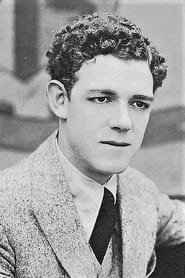
Albert Austin
Actor
Born: 1881 in Birmingham, England Died: August 17, 1952 Active: 1916-1928
Films
20 films
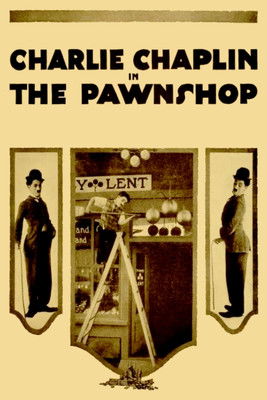
The Pawnshop
1916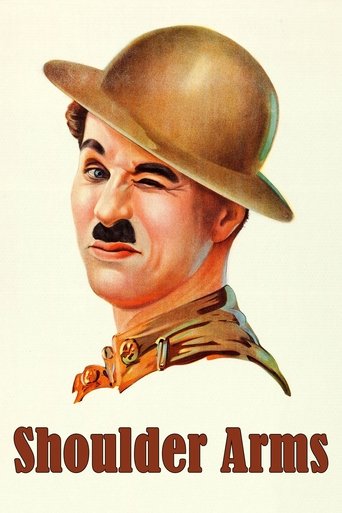
Shoulder Arms
1918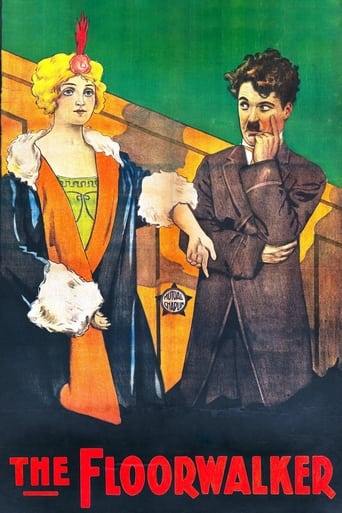
The Floorwalker
1916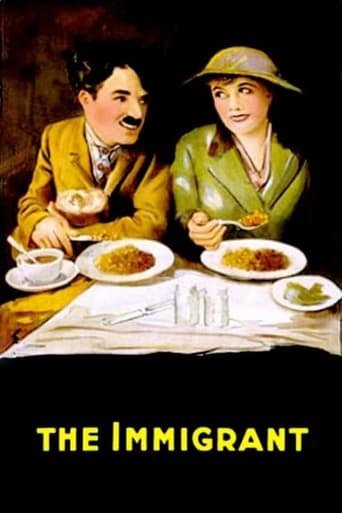
The Immigrant
1917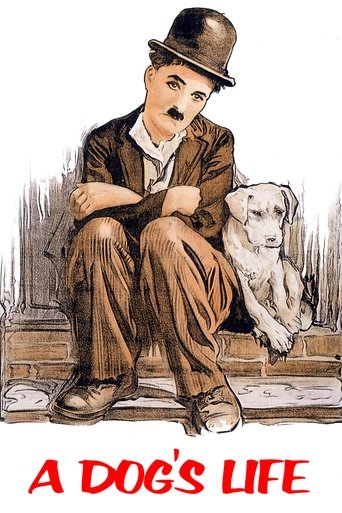
A Dog's Life
1918
The Cure
1917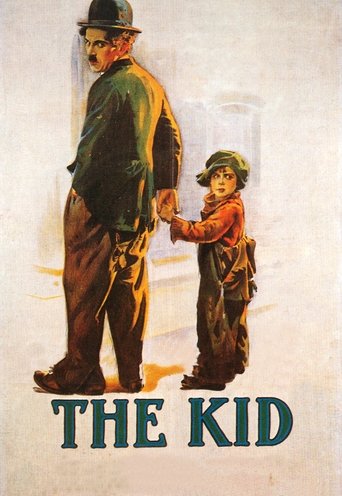
The Kid
1921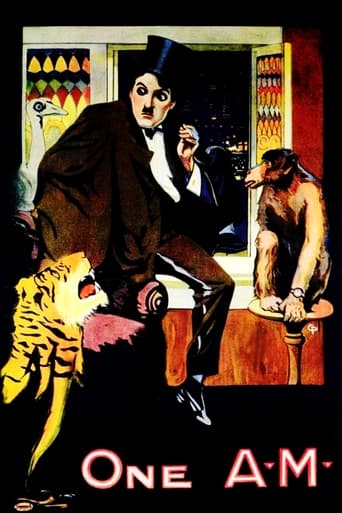
One A.M.
1916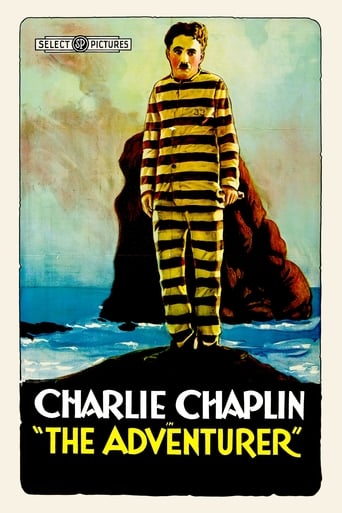
The Adventurer
1917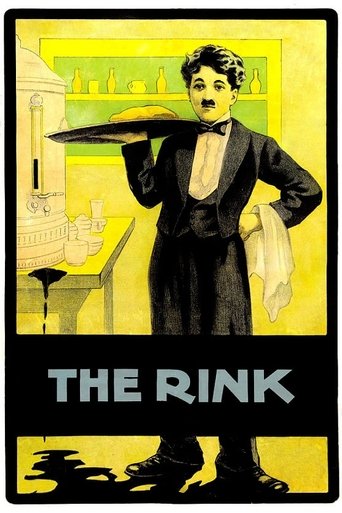
The Rink
1916
The Vagabond
1916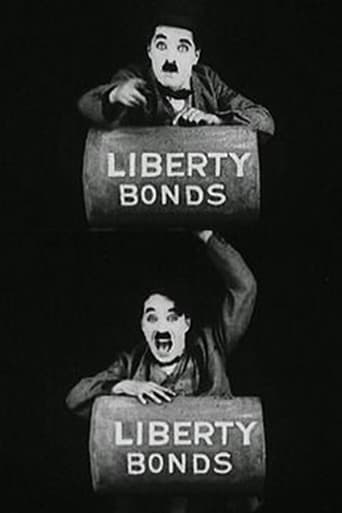
The Bond
1918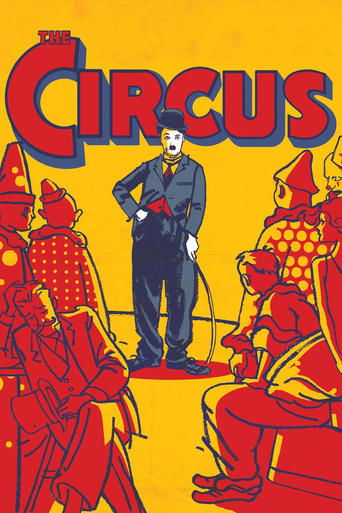
The Circus
1928
Triple Trouble
1918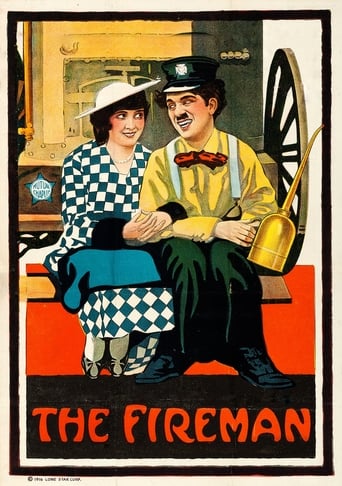
The Fireman
1916
The Professor
1919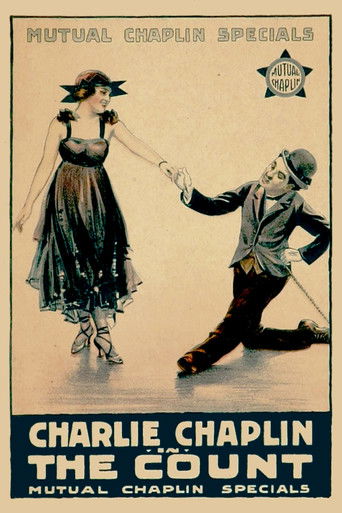
The Count
1916
How to Make Movies
1918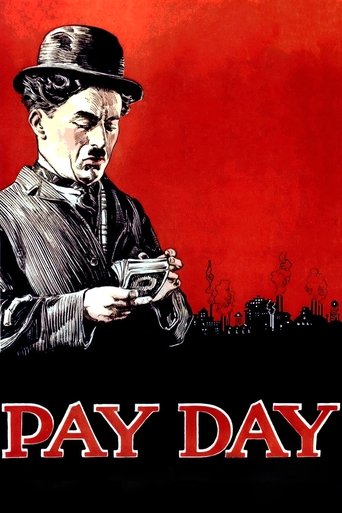
Pay Day
1922About Albert Austin
British-born actor and comedian who became one of Charlie Chaplin's most reliable and frequently featured supporting players during the silent film era. Born in Birmingham, England, Austin began his entertainment career in British music halls and variety shows before emigrating to the United States in the early 1910s. He joined Chaplin's stock company at Mutual Film Corporation in 1916 and appeared in more than 20 of Chaplin's films, often playing authority figures, shopkeepers, or comic foils to Chaplin's Tramp character. Austin's distinctive appearance, characterized by his bald head, mustache, and rotund figure, made him instantly recognizable to audiences of the era. His ability to both support and subtly upstage Chaplin's physical comedy while maintaining his own comic timing was highly valued by the master filmmaker. After Chaplin left Mutual, Austin continued to appear in films throughout the 1920s, though with decreasing frequency as the silent era waned. His career effectively ended with the transition to sound films, and he spent his later years in relative obscurity before his death in 1952.
The Craft
On Screen
Austin specialized in comic supporting roles, often playing exasperated authority figures or shopkeepers who served as perfect foils to Chaplin's Tramp. His style was rooted in British music hall tradition, emphasizing subtle facial expressions and physical reactions rather than broad slapstick. He had a remarkable ability to maintain dignity while being the butt of Chaplin's pranks, creating a perfect comedic balance. His timing was impeccable, knowing exactly when to react and how to enhance Chaplin's comedy without overshadowing it.
Milestones
- Joined Charlie Chaplin's stock company at Mutual Film Corporation in 1916
- Appeared in 20+ Chaplin films during their most acclaimed period
- Transitioned from British music halls to Hollywood silent films
- Became one of Chaplin's most recognizable supporting players
Best Known For
Iconic Roles
Must-See Films
Accolades
Special Recognition
- Recognized as one of Charlie Chaplin's key supporting players in film historical analyses
Working Relationships
Worked Often With
Studios
Why They Matter
Impact on Culture
Albert Austin played a significant role in the golden age of silent comedy by providing the perfect supporting framework for Charlie Chaplin's genius. His consistent presence in Chaplin's Mutual films helped establish the template for the classic comedy ensemble, where supporting characters weren't just props but essential contributors to the comedic narrative. Austin's ability to maintain character dignity while participating in increasingly absurd situations influenced how supporting comedy roles would be developed in subsequent decades. His work represents the often-overlooked contributions of character actors who made silent comedy's greatest achievements possible.
Lasting Legacy
Albert Austin's legacy is primarily preserved through his extensive body of work with Charlie Chaplin, which continues to be studied and celebrated by film scholars and comedy enthusiasts. He represents the crucial but often unsung role of reliable supporting players in classic comedy, demonstrating how great comedy requires not just a brilliant star but also a perfectly tuned ensemble. Modern audiences continue to enjoy his performances in Chaplin's films, where his reactions and timing remain as effective as they were a century ago. Film historians frequently cite him as an example of the ideal comedy supporting actor who knew exactly how to enhance rather than compete with the star.
Who They Inspired
Austin influenced subsequent generations of character actors through his demonstration of how to effectively support comedy without stealing focus. His work showed future performers the art of the reaction shot and the importance of timing in ensemble comedy. Many comedy directors, particularly those working in ensemble pieces, have studied the Chaplin-Austin dynamic as a model for star-supporting actor relationships. His approach to maintaining character integrity while participating in physical comedy became a template for character actors in both film and television comedy.
Off Screen
Albert Austin was married and had children, though details about his family life remain relatively scarce in historical records. He maintained a professional relationship with Chaplin that extended beyond the film set, being part of Chaplin's trusted inner circle during the Mutual years. Like many character actors of the silent era, he lived a relatively modest life compared to the stars he supported, finding steady work through his association with Chaplin. After his film career ended, he largely disappeared from public life, and little is documented about his final years.
Education
Likely self-taught through British music hall and variety theater experience; no formal acting education documented
Family
- Details not widely documented in historical records
Did You Know?
- Was one of the few British actors in Chaplin's primarily American stock company
- Appeared in 8 of the 12 films Chaplin made for Mutual Film Corporation
- His bald head and mustache made him
- Often played authority figures who were ultimately humbled by Chaplin's Tramp
- His character was frequently the victim of Chaplin's mischief but rarely the villain
- Continued to appear in Chaplin films even after the Mutual period ended
- Was part of what film historians call Chaplin's 'greatest stock company'
- His active years covered the transition from British music halls to Hollywood silent films
- Unlike many silent actors, he successfully made the transition from stage to film
- His final film appearance was in Chaplin's The Circus (1928)
In Their Own Words
No documented famous quotes; his legacy is primarily visual through his film performances
Frequently Asked Questions
Who was Albert Austin?
British-born with credits in this catalog.
What films is Albert Austin best known for?
Titles linked here include The Pawnshop (1916), The Immigrant (1917).
When was Albert Austin born and when did he die?
Born 1881; died August 17, 1952.
What awards did Albert Austin win?
Albert Austin did not receive formal awards during his career, as supporting actors in the silent era rarely received such recognition, though he is now acknowledged by film historians as a crucial contributor to Chaplin's greatest films.
What was Albert Austin's acting style?
Austin specialized in comic supporting roles using subtle facial expressions and precise timing, often playing exasperated characters who served as perfect foils to Chaplin's physical comedy while maintaining their own dignity.
How did Albert Austin get started with Charlie Chaplin?
Austin joined Chaplin's stock company at Mutual Film Corporation in 1916 after transitioning from British music halls to American films, becoming part of what many consider Chaplin's greatest ensemble of supporting players.
What happened to Albert Austin's career after silent films?
Austin's film career largely ended with the transition to sound pictures in the late 1920s, as was common for many silent-era character actors, and he spent his later years away from the public eye.