
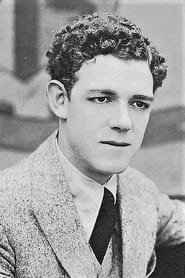
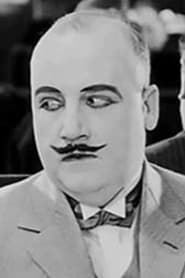

The Pawnshop
"Chaplin foils a thief at the pawnshop"
Keys: Space play/pause · ←/→ 10s · F fullscreen · M mute · </> speed
About this film
A pawnbroker's assistant deals with his grumpy boss, his annoying co-worker and some eccentric customers as he flirts with the pawnbroker's daughter, until a perfidious crook with bad intentions arrives at the pawnshop.
Cast & crew
More films like this


More Comedy films
View all →







More from Charlie Chaplin
View all →


More about this film
About the production
Release dateOctober 2, 1916
BudgetExact budget unknown, but Chaplin was paid $10,000 per film by Mutual Film Corporation, equivalent to approximately $260,000 in today's currency
Box officeBox office figures for individual shorts of this era were not systematically recorded, but Mutual films were highly profitable and widely distributed internationally
ProductionMutual Film Corporation, Lone Star Corporation
Filmed inMutual Film Studio, Los Angeles, California
The Pawnshop was the seventh of twelve films Chaplin produced for Mutual Film Corporation during his most creatively productive period. The film was shot over approximately three weeks in August 1916, with Chaplin meticulously planning each gag and sequence. The elaborate pawnshop set was built specifically for this production and featured numerous props and items that Chaplin could interact with for comedic effect. Chaplin insisted on multiple takes to perfect his timing, which was unusual for the rapid production schedules of the era. The clock destruction sequence alone reportedly required over 20 takes to achieve the desired comedic effect.
Themes
Class struggle and economic hardshipThe comedy of incompetenceRomantic pursuit and courtshipOrder versus chaosThe dignity of work
Themes & topics
Historical background
The Pawnshop (1916) emerged during the silent era before feature-length dominance, when exhibition habits and national film industries were still taking shape.
Why this film matters
The Pawnshop remains accessible through digital archives, giving modern viewers a direct link to 1916 screen culture.
Making of
The making of The Pawnshop exemplified Chaplin's perfectionist approach to comedy filmmaking. Unlike many of his contemporaries who would shoot quickly and move on, Chaplin would spend days perfecting individual gags. The famous clock sequence, where Chaplin pretends to be an expert watchmaker while systematically destroying the timepiece, was rehearsed extensively. Chaplin would often work late into the night refining his timing and movements. The set design was particularly elaborate for a two-reel comedy, with the pawnshop filled with authentic props that Chaplin could interact with. Henry Bergman, besides playing the pawnbroker, also appeared in disguise as one of the customers, demonstrating Chaplin's practice of using trusted collaborators in multiple roles. The film's production coincided with Chaplin's growing fame and his increasing battles with the Mutual studio over creative control, though The Pawnshop was made during a relatively harmonious period of their relationship.
What critics said
Modern write-ups on The Pawnshop (1916) tend to focus on preservation status, stylistic choices, and placement within director or studio filmographies.
Did you know?
- The Pawnshop was one of Chaplin's personal favorites among his Mutual shorts, often screening it for friends and visitors to his studio
- The film features one of Chaplin's most famous gags involving an alarm clock that he systematically dismantles and 'repairs' while a customer waits impatiently
- Henry Bergman, who played the pawnbroker, was a close collaborator of Chaplin's and appeared in dozens of his films, often playing multiple roles in the same production
- The trombone sequence was improvised on set when Chaplin discovered the instrument among the props and decided to incorporate it into the comedy
- Edna Purviance, who played the pawnbroker's daughter, was Chaplin's leading lady in over 30 films and was considered his muse during the 1910s and 1920s
- The film's success led to Chaplin being able to demand even more creative control and higher salaries for his subsequent projects
- The Pawnshop was one of the first Chaplin films to be preserved and restored by the Museum of Modern Art in the 1940s
- A young Jackie Coogan, who would later star in Chaplin's 'The Kid,' reportedly visited the set during filming
- The film's elaborate chase sequence at the end was considered for its complexity and influenced numerous subsequent comedy chase scenes
- The Pawnshop was originally titled 'The Pawnbroker's Assistant' but was shortened before release for marketing purposes
Visual style
The cinematography of The Pawnshop, credited to Roland Totheroh and William C. Foster, demonstrates the sophisticated visual style that characterized Chaplin's Mutual films. The camera work is notably more dynamic than typical comedies of the era, with carefully composed shots that maximize the comedic potential of each scene. The pawnshop set was designed to allow for deep focus photography, enabling Chaplin to stage complex action in both foreground and background simultaneously. The film uses a variety of camera angles and movements that were innovative for the time, including tracking shots during the chase sequence and carefully timed zooms to emphasize key comedic moments. The lighting design creates a realistic atmosphere while ensuring that Chaplin's expressive face remains clearly visible throughout. The cinematography particularly shines during the clock sequence, where close-ups capture the intricate details of Chaplin's 'repair' work while wider shots show the growing frustration of the customer.
Innovations
The Pawnshop showcased several technical innovations that advanced the art of comedy filmmaking. The film's use of a fully constructed three-dimensional set rather than flat backdrops allowed for more complex staging and camera movement. The elaborate props, particularly the grandfather clock and trombone, were specifically designed to break and reassemble in comedic ways, demonstrating sophisticated prop engineering. The film's pacing and editing, supervised by Chaplin, created a rhythm that influenced comedy editing for decades. The chase sequence at the film's climax employed innovative camera techniques to maintain visual clarity during fast-paced action. The film also demonstrated advanced understanding of continuity editing, with gags that required precise timing across multiple shots. The destruction of the clock required careful coordination between Chaplin's performance and special effects, showing early mastery of practical effects in comedy.
Music
As a silent film, The Pawnshop was originally accompanied by live musical performance in theaters, typically with a pianist or small orchestra. Chaplin himself composed specific musical cues for his films, though original scores for individual Mutual shorts have not survived. Modern restorations typically feature newly composed scores that attempt to capture the spirit of the period. The film's comedic rhythm suggests a lively, syncopated accompaniment with musical motifs for different characters and situations. The trombone sequence would have been particularly effective with live musical accompaniment, as theaters could incorporate actual brass instruments to complement the on-screen action. Contemporary screenings often feature scores by composers like Carl Davis or Timothy Brock, who specialize in silent film accompaniment. The absence of dialogue enhances the physical comedy, allowing Chaplin's expressive performance to communicate emotion and humor without verbal explanation.
Famous quotes
(Title card) 'Charlie - The Assistant' - introducing Chaplin's character
(Title card) 'The Pawnbroker - A man of business' - introducing Henry Bergman's character
(Title card) 'His Daughter - The cashier' - introducing Edna Purviance's character
While examining the clock: 'I'll have it fixed in a jiffy!' (expressed through gesture and title card)
During the trombone sequence: (musical chaos with accompanying title card) 'Music hath charms to soothe the savage beast - but not this one!'
Memorable scenes
- The clock destruction sequence where Chaplin pretends to be an expert watchmaker while systematically dismantling a customer's grandfather clock, pulling out gears and springs with exaggerated precision while the customer grows increasingly anxious
- The ladder battle between Chaplin and his co-worker that escalates into complete chaos, destroying numerous items in the shop
- The trombone sequence where Chaplin attempts to demonstrate the instrument to a customer, producing increasingly discordant sounds
- The final chase sequence where Chaplin pursues the thief through the pawnshop, using every available prop as a weapon or obstacle
- The opening sequence establishing the pawnshop environment and introducing all the main characters through their interactions with various customers
What audiences thought
The Pawnshop was enormously popular with audiences upon its release, playing to packed houses in theaters across the United States and internationally. Audience reaction reports from the era described viewers laughing continuously throughout the film, with particular enthusiasm for the elaborate destruction sequences and Chaplin's interactions with various props. The film's success helped establish Chaplin as the world's biggest movie star, with theaters often advertising 'A New Chaplin Comedy' to draw crowds. International audiences embraced the film despite cultural and language barriers, demonstrating the universal appeal of Chaplin's physical comedy. The film was so popular that it was often held over for multiple weeks in major cities, unusual for a short film of the period. Modern audiences continue to appreciate the film, with it frequently screening at film festivals and revival theaters where it still generates enthusiastic laughter and applause.
Film connections
Influenced by
- Earlier Mack Sennett comedies
- French and Italian slapstick traditions
- Music hall and vaudeville performance styles
- Commedia dell'arte character archetypes
- Chaplin's earlier Keystone and Essanay films
This film influenced
- Buster Keaton's 'The General' (1926)
- Jacques Tati's 'Playtime' (1967)
- The Three Stooges shorts
- Modern workplace comedies
- Physical comedy sequences in films like 'The Pink Panther' series
Film restoration
The Pawnshop has been well-preserved and is considered to be in excellent condition for a film of its era. The film was among the early Chaplin works preserved by the Museum of Modern Art in the 1940s as part of their film preservation efforts. A complete 35mm print exists in the Chaplin archives, and the film has undergone digital restoration by the British Film Institute and Cineteca di Bologna. Multiple high-quality versions are available for both archival and commercial use. The film is part of the permanent collections of several major film archives including the Library of Congress, UCLA Film & Television Archive, and the Cinémathèque Française. The preservation status is excellent, with no missing scenes or significant deterioration.
Where to watch
- The Criterion Channel (as part of Chaplin collections)
- The Chaplin Archive official website
- Kino Lorber DVD/Blu-ray releases of Chaplin's Mutual films
- The Museum of Modern Art's film collection (occasional screenings)
- Various streaming platforms specializing in classic cinema
- Public domain versions available on YouTube and Internet Archive
- Film forum screenings and revival theaters specializing in classic cinema