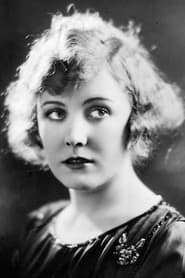
Edna Purviance
Actor
Born: October 21, 1895 in Paradise Valley, Nevada, USA Died: January 13, 1958 Active: 1915-1923 (with posthumous appearance in 1967) Birth Name: Olga Edna Purviance
Films
35 films
Shoulder Arms
1918
The Floorwalker
1916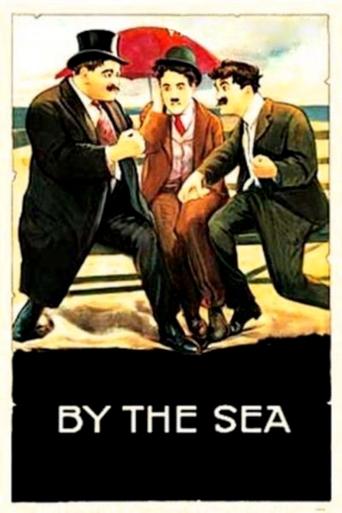
By the Sea
1915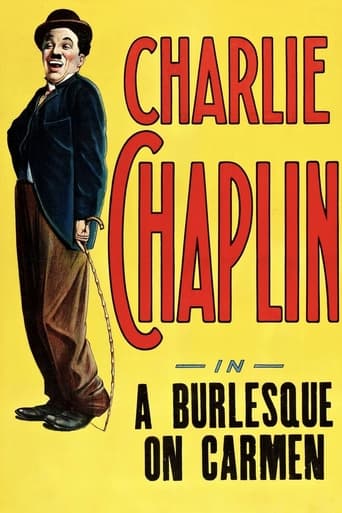
A Burlesque on Carmen
1915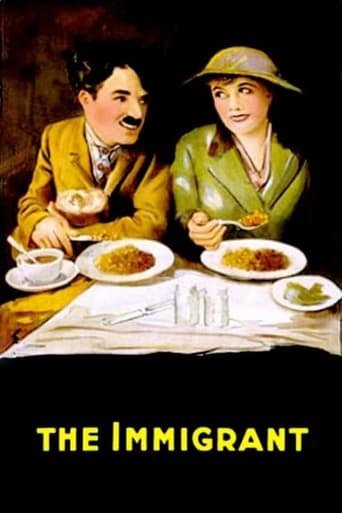
The Immigrant
1917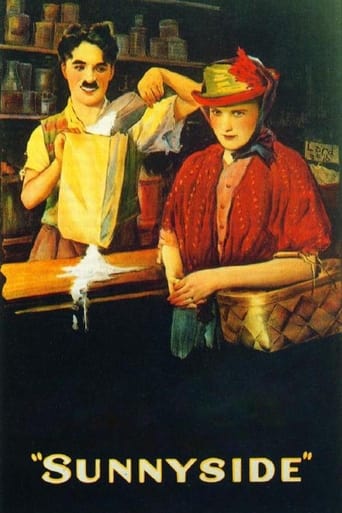
Sunnyside
1919
The Cure
1917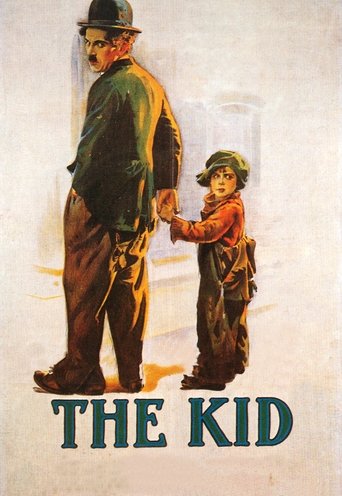
The Kid
1921
A Woman of Paris: A Drama of Fate
1923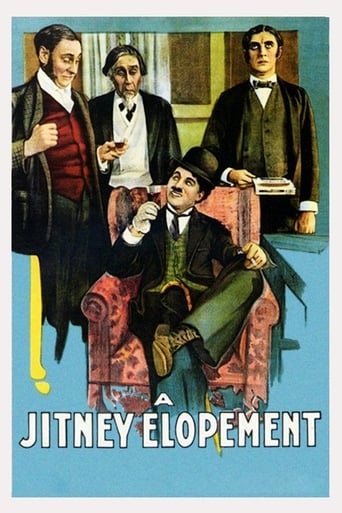
A Jitney Elopement
1915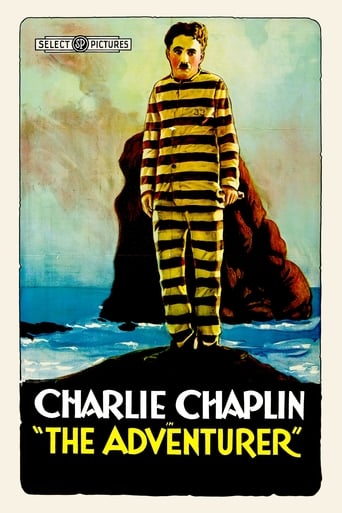
The Adventurer
1917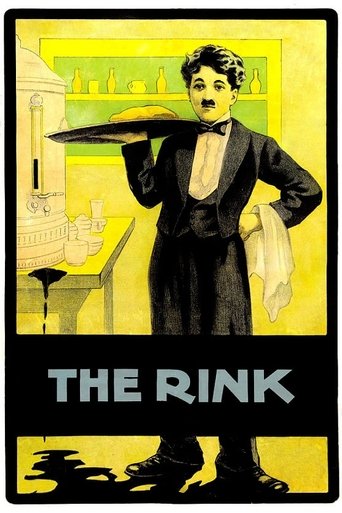
The Rink
1916
The Vagabond
1916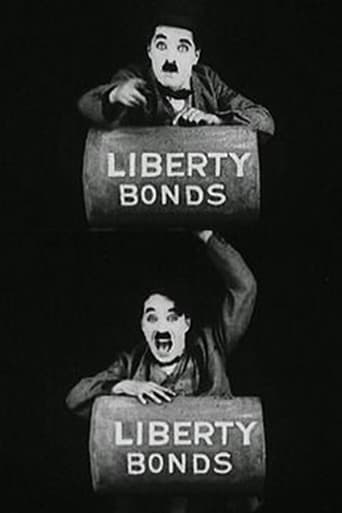
The Bond
1918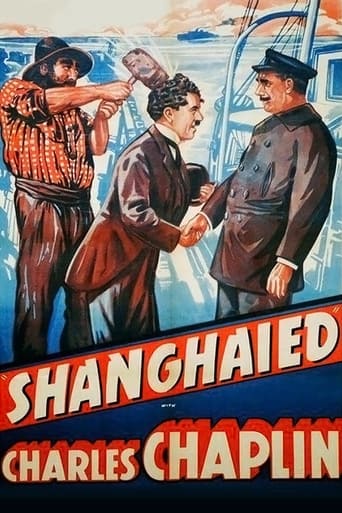
Shanghaied
1915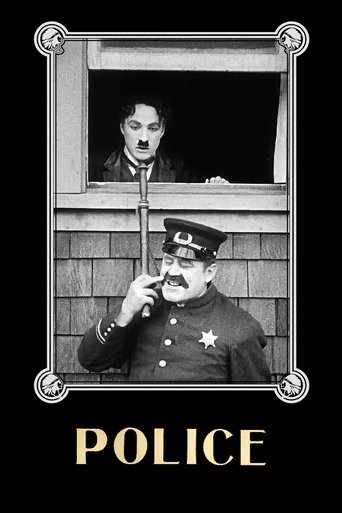
Police
1916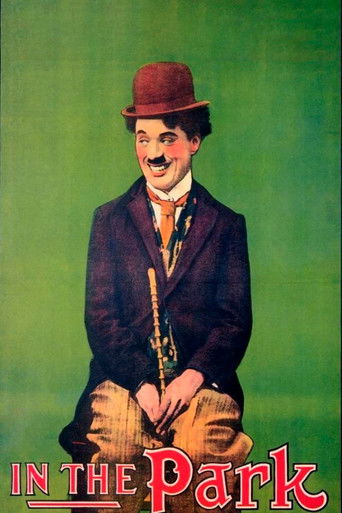
In the Park
1915
Easy Street
1917
Triple Trouble
1918
A Day's Pleasure
1919
A Night in the Show
1915
The Bank
1915
A Night Out
1915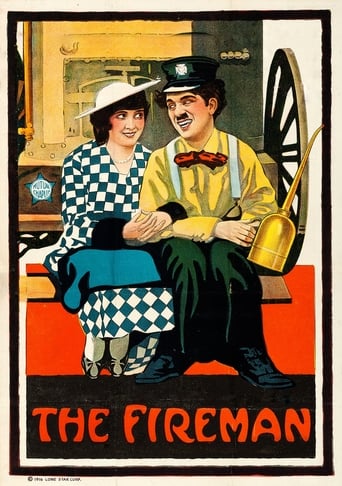
The Fireman
1916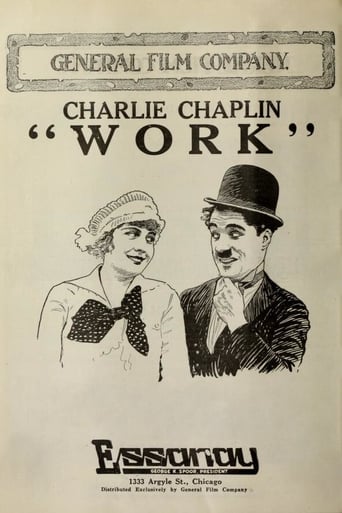
Work
1915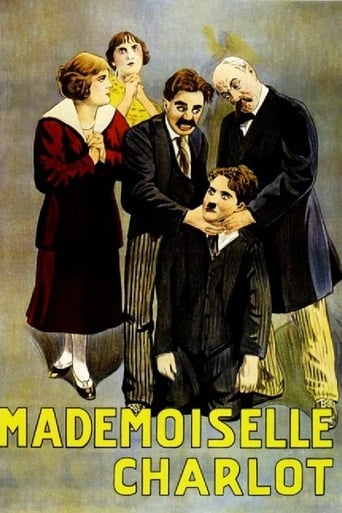
A Woman
1915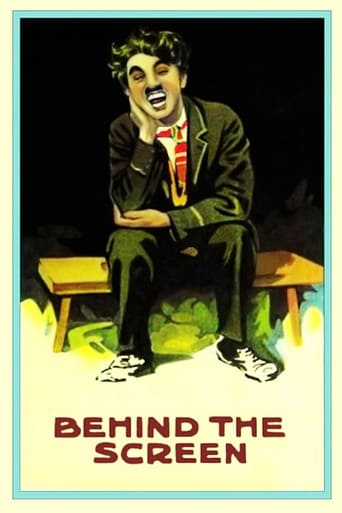
Behind the Screen
1916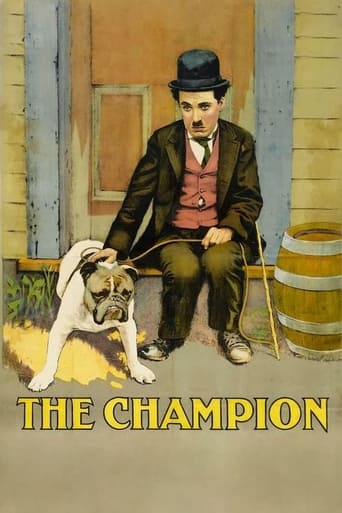
The Champion
1915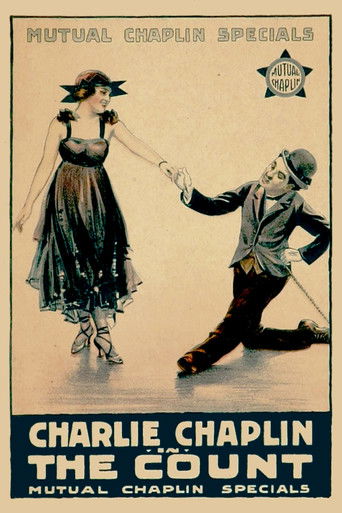
The Count
1916
How to Make Movies
1918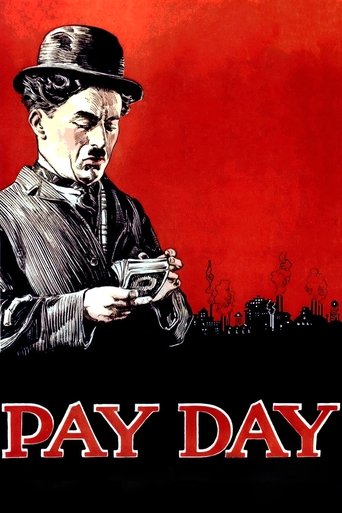
Pay Day
1922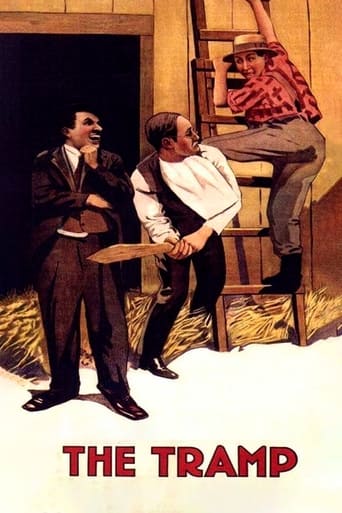
The Tramp
1915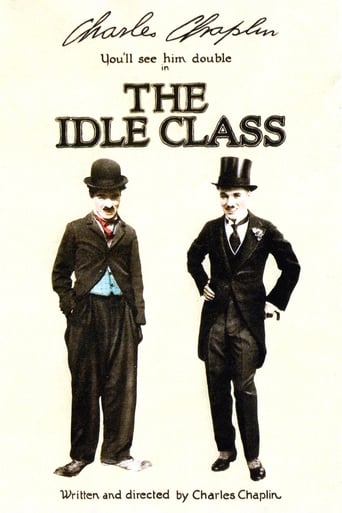
The Idle Class
1921
The Pilgrim
1923About Edna Purviance
American actress who became Charlie Chaplin's most celebrated leading lady during the golden age of silent cinema. Discovered by Chaplin in 1915 while working as a secretary in San Francisco, she quickly became his romantic partner and muse, appearing in over 30 of his films between 1915 and 1923. Purviance was known for her natural, understated acting style that brought emotional depth and authenticity to Chaplin's comedies, providing the perfect counterpoint to his physical comedy. Her most acclaimed performance was as the mother in 'The Kid' (1921), where she displayed remarkable dramatic range that elevated the film beyond simple comedy. After her acting career ended, Chaplin kept her on his payroll for the rest of her life out of loyalty and friendship. She made a brief posthumous appearance in Chaplin's 1967 film 'A Countess from Hong Kong' through the use of archival footage. Purviance's legacy lies in her naturalistic acting style that helped transition silent film performance toward greater realism and emotional authenticity.
The Craft
On Screen
Purviance pioneered a naturalistic acting style in silent cinema that contrasted sharply with the exaggerated pantomime common in the era. Her performances were characterized by subtle facial expressions, genuine emotional reactions, and an understated approach that brought remarkable depth to her characters. She had the unique ability to convey complex emotions through minimal gestures, creating a sense of authenticity that resonated with audiences. Her style was particularly effective in dramatic scenes, where she could evoke pathos and tenderness without the melodramatic flourishes typical of silent film acting. This natural approach influenced subsequent generations of film actors and helped establish a more realistic standard for screen performance.
Milestones
- Discovered by Charlie Chaplin in 1915
- Starred in over 30 Chaplin films
- Acclaimed performance in 'The Kid' (1921)
- Starred in 'A Woman of Paris' (1923)
- Remained on Chaplin's payroll until her death
- Posthumous appearance in 'A Countess from Hong Kong' (1967)
Best Known For
Iconic Roles
Must-See Films
Accolades
Special Recognition
- Star on the Hollywood Walk of Fame (1970, posthumous)
- Inducted into the Nevada Hall of Fame
Working Relationships
Worked Often With
Studios
Why They Matter
Impact on Culture
Edna Purviance significantly influenced the evolution of acting in silent cinema by introducing a naturalistic style that emphasized authentic emotion over theatrical exaggeration. Her work with Chaplin helped establish the template for the romantic leading lady in comedy, demonstrating how subtle, sincere performances could enhance rather than detract from humor. In 'The Kid,' her dramatic performance helped prove that silent films could tackle serious themes with emotional depth, paving the way for more sophisticated dramatic cinema. Her portrayal of complex female characters challenged the often one-dimensional roles available to women in early cinema. Purviance's legacy as Chaplin's muse has made her an enduring figure in film history, representing the artistic collaboration that defined some of cinema's greatest achievements.
Lasting Legacy
Edna Purviance's legacy endures through her contributions to establishing a more naturalistic acting style in silent cinema and her role in Charlie Chaplin's most celebrated works. Her performance in 'The Kid' remains a landmark of silent film acting, demonstrating how subtle emotion could powerfully convey character depth without dialogue. As Chaplin's leading lady during his most creative period, she helped define the aesthetic of silent comedy that influenced generations of filmmakers. Her story exemplifies the collaborative nature of early cinema and the important, though often overlooked, contributions of actresses to the medium's development. Today, film scholars recognize Purviance as a figure who helped bridge the gap between theatrical and cinematic acting styles, contributing to the evolution of film performance as an art form.
Who They Inspired
Purviance's naturalistic acting style directly influenced the transition from theatrical to cinematic performance techniques in silent films. Her ability to convey emotion subtly inspired other actresses to adopt more restrained, authentic approaches to screen acting. Her success as Chaplin's leading lady helped establish the importance of strong female characters in comedy, influencing how subsequent directors developed romantic subplots in their films. Many actresses who followed in silent and early sound cinema cited her performances as examples of how to achieve emotional authenticity on screen. Her work demonstrated that comedy could be enhanced rather than diminished by genuine emotional depth, a principle that continues to influence filmmakers today.
Off Screen
Edna Purviance had a romantic relationship with Charlie Chaplin from approximately 1915 to 1917, after which they remained close friends for life. She married John P. Squire, a Pan American Airlines pilot, in 1938, and they remained married until his death in 1945. Purviance had no children. After retiring from acting, she invested wisely in real estate and lived comfortably in Hollywood, maintaining her friendship with Chaplin who continued to support her financially. She was known for her private nature and rarely gave interviews about her time with Chaplin. In her later years, she suffered from health problems including throat cancer, which ultimately led to her death at age 62.
Education
Attended business school in San Francisco before entering films, also attended the University of Nevada briefly
Family
- John P. Squire (1938-1945)
Did You Know?
- Was originally hired as a secretary before Chaplin discovered her acting potential
- Chaplin kept her on his payroll for 35 years after her acting career ended
- Made her film debut in 'A Night Out' (1915) after just two weeks of acting lessons
- Was the only actress to have a dressing room permanently reserved at Chaplin's studio
- Her performance in 'The Kid' was so powerful that it moved audiences to tears worldwide
- Chaplin wrote 'A Woman of Paris' (1923) specifically as a vehicle for her dramatic talents
- She turned down numerous film offers after leaving Chaplin, preferring privacy
- Her final appearance was in archival footage used in Chaplin's 1967 film 'A Countess from Hong Kong'
- Was one of the first actresses to receive a percentage of film profits from Chaplin
- Never gave a single interview about her relationship with Chaplin
- Her Nevada hometown has a historical marker commemorating her achievements
- Was fluent in French, which helped in her role in 'A Woman of Paris'
In Their Own Words
I never wanted to be an actress. I just wanted to be a good secretary.
Working with Charlie was like attending the best university in the world for learning about pictures.
I was never in love with fame, but I was grateful for the opportunity to work with such a genius.
The Kid was the most important work I ever did. It meant something to people.
Charlie taught me that less is more on screen. A glance can say more than pages of dialogue.
Frequently Asked Questions
Who was Edna Purviance?
American actress best known as Charlie Chaplin's leading lady during his most creative period in silent cinema. She appeared in over 30 of his films between 1915 and 1923, bringing a naturalistic acting style that revolutionized screen performance in the silent era.
What films is Edna Purviance best known for?
When was Edna Purviance born and when did she die?
Born October 21, 1895; died January 13, 1958.
What was Edna Purviance's relationship with Charlie Chaplin?
Purviance had a romantic relationship with Chaplin from 1915 to 1917 after he discovered her, but they remained close friends for life. Chaplin kept her on his payroll for 35 years after her acting career ended out of loyalty and friendship, demonstrating their enduring personal and professional bond.
What was Edna Purviance's acting style?
Purviance pioneered a naturalistic acting style in silent cinema that emphasized subtle facial expressions and genuine emotion over the exaggerated pantomime common in the era. Her understated approach brought authenticity and emotional depth to her performances, particularly in dramatic scenes.
Why did Edna Purviance's acting career end?
Purviance's acting career effectively ended after 'A Woman of Paris' (1923) as Chaplin moved toward younger actresses for his films. However, she remained financially supported by Chaplin and chose to live privately rather than pursue other acting opportunities.
What is Edna Purviance's legacy in cinema?
Purviance's legacy lies in her naturalistic acting style that helped evolve screen performance from theatrical to cinematic authenticity. Her work demonstrated how subtle emotion could enhance comedy and drama, influencing generations of actors and establishing the template for the sophisticated leading lady in film comedy.