
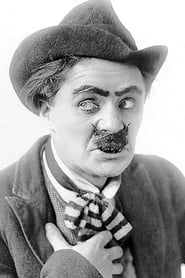

Police
"Charlie is released from prison and immediately swindled by"
Keys: Space play/pause · ←/→ 10s · F fullscreen · M mute · </> speed
About this film
Charlie is released from prison and immediately swindled by a fake parson. A fellow ex-convict convinces Charlie to help burglarize a house.
Cast & crew
More Comedy films
View all →






More from Charlie Chaplin
View all →


More about this film
About the production
Release dateMay 27, 1916
BudgetApproximately $55,833 (part of Chaplin's $670,000 contract for 12 Mutual films)
Box officeExact figures unknown, but highly successful as part of Chaplin's popular Mutual series
ProductionMutual Film Corporation
Filmed inChaplin Studios, Los Angeles, California
This was the 10th of 12 films Chaplin created during his lucrative Mutual Film Corporation contract, which gave him unprecedented creative control and budget. The picture was shot during a highly productive period in Chaplin's career when he was perfecting his comedic techniques and developing more sophisticated storytelling approaches. The production featured elaborate sets for the burglary sequence and required careful choreography of the physical comedy elements.
Themes
Themes & topics
prison releaseswindlingburglarymistaken identityheroismsocial commentaryphysical comedysilent filmCharlie ChaplinTramp characterironic endingmoral dilemma
Historical background
Produced Police reflects Mutual Film Corporation's release strategy for United States markets at a moment when cinema technology and taste were shifting quickly.
Why this film matters
Programmers and historians revisit Police (1916) because its story—charlie is released from prison and immediately swindled by a fake parson—illustrates popular narrative habits and production norms of the period.
Making of
The production of 'Police' took place during Chaplin's most creatively fertile period at Mutual Film Corporation, where he had complete artistic control and substantial budgets. Chaplin was known for his meticulous attention to detail, often shooting scenes dozens of times to perfect the timing of his physical comedy. The burglary sequence required extensive rehearsals to coordinate the complex physical gags and ensure safety during the stunts. Chaplin's relationship with Edna Purviance, his leading lady, was both professional and personal, and their on-screen chemistry was a key element in the picture's success. The production team at Chaplin's studio had become highly efficient by this point, allowing for the creation of technically sophisticated films with elaborate sets and props. Chaplin's perfectionism meant that even a 25-minute short could take weeks to complete, with every detail carefully crafted to serve both the comedy and the underlying social commentary.
What critics said
English-language trade reviews of Police are limited for 1916. Where notices survive, they stress pacing and photographic clarity; later criticism values the title as archival evidence of studio style.
Did you know?
- This was the 10th of 12 films Chaplin made for Mutual Film Corporation, considered among his finest work
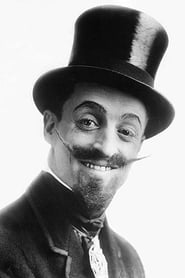
- The fake parson character was played by John T. Dillon, a regular in Chaplin's films
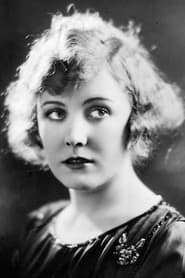
- Edna Purviance, who plays the daughter in the burglarized house, was Chaplin's leading lady in dozens of films
- the picture one of the earliest examples of Chaplin's 'tramp as hero' trope
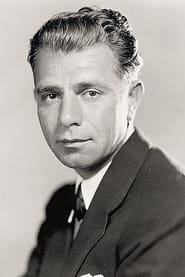
- Wesley Ruggles, who plays the fellow ex-convict, later became a prominent film director
- The burglary scene required elaborate set construction and careful timing of physical gags
- demonstrates Chaplin's growing sophistication in blending comedy with social commentary
- The ending, where Charlie is arrested despite being a hero, became a recurring theme in Chaplin's work
- the picture was shot during World War I, though it doesn't reference the war directly
- Chaplin's Mutual films were considered so valuable that they were carefully preserved and restored over the decades
Visual style
The cinematography in Police reflects Chaplin's growing sophistication as a filmmaker, featuring more complex camera work and lighting techniques than his earlier films. the picture uses a variety of shots including close-ups to capture Chaplin's expressive reactions and medium shots to frame the physical comedy sequences. The burglary scene features particularly effective use of shadows and lighting to create tension and enhance the visual gags. The camera work supports the picture's narrative through careful composition and movement, with Chaplin and his cinematographer Roland Totheroh developing techniques that would influence visual storytelling in cinema. the picture's visual style balances the needs of comedy with the requirements of storytelling, using the camera to both highlight physical gags and convey emotional moments.
Innovations
Police demonstrated several technical innovations for its time, including more sophisticated editing techniques that enhanced the timing of physical comedy. the picture's production values reflected Chaplin's increased budget and creative freedom at Mutual, featuring elaborate sets for the burglary sequence and carefully choreographed stunts. The use of multiple camera angles and more dynamic camera movement showed the evolving capabilities of film technology. the picture's lighting techniques, particularly in the burglary scenes, created atmosphere and visual interest beyond the flat lighting common in earlier comedies. Chaplin's attention to technical details, from set construction to costume design, elevated the production quality of his shorts to near-feature film standards. These technical achievements helped establish new benchmarks for comedy film production and influenced the broader development of cinematic techniques.
Music
As a silent film, Police was originally accompanied by live musical performances during theatrical screenings. The typical score would have included popular songs of the era, classical pieces, and improvised accompaniment that matched the picture's mood and action. While Chaplin did not compose original music for during its initial release, he later composed scores for many of his silent films during their re-releases. Modern restorations of Police often feature newly composed scores or carefully selected period music that enhances the viewing experience. The musical accompaniment plays a crucial role in silent film viewing, helping to convey emotion, highlight comedic moments, and maintain narrative flow. The absence of dialogue makes the visual storytelling and musical accompaniment even more essential to the picture's impact.
Famous quotes
As a silent film, Police conveyed its story through visual comedy and intertitles rather than spoken dialogue. the picture's most memorable 'lines' were expressed through Chaplin's physical comedy and expressive gestures.
Memorable scenes
- The prison release sequence where Charlie immediately encounters the fake parson, showcasing Chaplin's ability to create comedy from misfortune. The burglary scene where Charlie's conscience emerges as he protects the family from the real criminals, demonstrating the evolution of the Tramp character from simple comic figure to complex protagonist. The final ironic arrest scene where Charlie is taken away by police despite being a hero, encapsulating the picture's themes of social injustice.
What audiences thought
Police was enthusiastically received by audiences in 1916, contributing to Chaplin's status as the world's most popular film star. the picture's blend of humor and pathos resonated deeply with working-class viewers who identified with the Tramp's struggles against social institutions. Contemporary audiences appreciated the picture's more sophisticated approach to comedy, which went beyond simple slapstick to include elements of social commentary and character development. the picture's box office success, while not precisely documented, was part of the overwhelming popularity of Chaplin's Mutual series, which played to packed theaters worldwide. Modern audiences continue to appreciate the picture's timeless themes and Chaplin's masterful physical comedy, with Police remaining a favorite among Chaplin enthusiasts and classic film fans.
Film connections
Influenced by
- Vaudeville comedy traditions
- Earlier silent film comedies
- Social realist literature
- European cinematic techniques
- Chaplin's own previous films
- Contemporary social issues
- Stage comedy traditions
- Slapstick comedy pioneers
This film influenced
- Later Chaplin features including 'The Kid' and 'City Lights'
- Other Mutual Film Corporation productions
- Silent comedies with social commentary
- Films featuring misunderstood protagonists
- Modern comedy films addressing social issues
- Works exploring similar themes of redemption
Film restoration
Police has been well-preserved and is part of the Chaplin film archive maintained by the Chaplin estate and various film institutions. the picture has undergone restoration efforts to preserve its quality and remains accessible to modern audiences. Copies are held by the Library of Congress, the British Film Institute, and other major film archives. the picture's survival is notable given the loss of many silent films from this era, reflecting both Chaplin's careful preservation of his work and the cultural importance attributed to his films.
Where to watch
- The Criterion Collection releases
- The Chaplin Revue DVD/Blu-ray collections
- Streaming services featuring classic films such as The Criterion Channel
- YouTube (public domain versions)
- Film archive screenings and retrospectives
- Educational institutions with film collections
- Online platforms specializing in classic cinema