Fred Goodwins
Actor
Born: February 26, 1887 in London, England Died: January 15, 1923 Active: 1915-1918 Birth Name: Frederick William Goodwins
Films
7 films
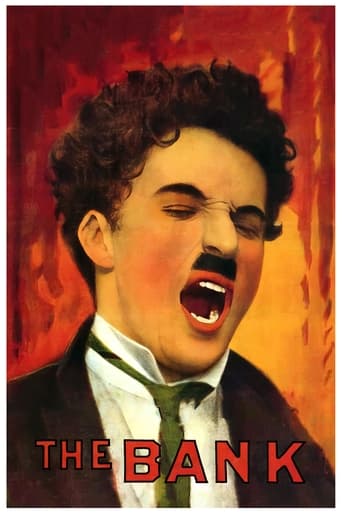
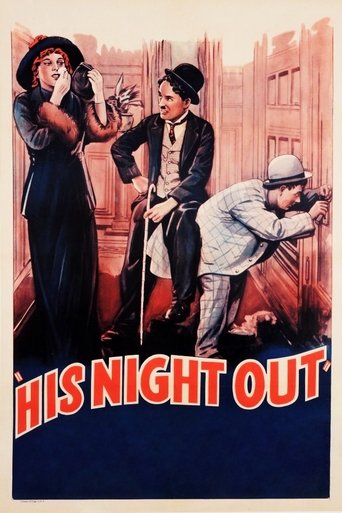
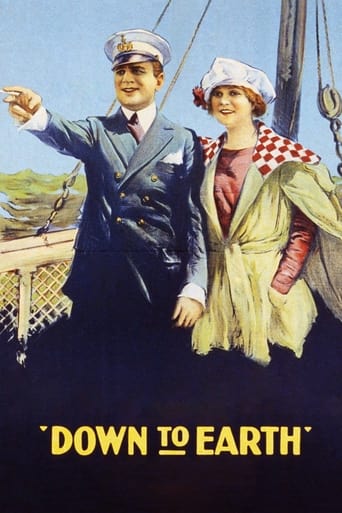
About Fred Goodwins
British actor and writer who found significant success during the silent film era, particularly through his collaborations with Charlie Chaplin at Essanay Studios. Born in England, Goodwins began his entertainment career on the stage before transitioning to the burgeoning film industry in the early 1910s. His most notable work came in 1915 when he appeared in several of Chaplin's classic short comedies, often playing supporting roles that complemented Chaplin's Tramp character. Beyond acting, Goodwins also contributed to the film industry as a writer, penning scenarios and scripts for various productions. His career was relatively brief but impactful, spanning roughly from 1915 to 1918, during which he worked with some of the biggest names in early cinema. After his film career, Goodwins returned to his native England where he continued working in entertainment. His legacy remains tied to his contributions to early Chaplin comedies, which are now considered foundational works of cinematic comedy.
The Craft
On Screen
Goodwins employed a classic stage-influenced acting style typical of the transitional period between stage melodrama and naturalistic film performance. His comedic timing was well-suited to the slapstick format of Chaplin's films, where he often served as a perfect foil to Chaplin's physical comedy. Like many actors of the period, he used exaggerated gestures and facial expressions to convey emotion and humor to silent audiences.
Milestones
- Regular supporting actor in Charlie Chaplin's Essanay films (1915-1916)
- Appeared in five classic Chaplin shorts
- Transitioned from stage to film during cinema's formative years
- Also worked as a scenario writer for silent films
Best Known For
Iconic Roles
Must-See Films
Working Relationships
Worked Often With
Studios
Why They Matter
Impact on Culture
Fred Goodwins represents the important but often overlooked supporting actors who were crucial to the success of early cinema. His work in Chaplin's films contributed to the development of cinematic comedy during its formative years. While not a star himself, Goodwins was part of the collaborative effort that created some of the most influential comedy films of the silent era. These films helped establish the grammar of film comedy and influenced generations of filmmakers. His performances, though brief, demonstrate the ensemble nature of early film production and how supporting actors contributed to the overall effectiveness of classic works.
Lasting Legacy
Fred Goodwins' legacy is primarily preserved through his appearances in Charlie Chaplin's early masterpieces, which continue to be studied and celebrated by film scholars and enthusiasts worldwide. While his name may not be widely recognized today, his contributions to these foundational works of cinema ensure his place in film history. The Chaplin films he appeared in remain essential viewing for understanding the development of film comedy and the art of silent cinema. Goodwins represents the countless supporting actors whose work was vital to the success of early films but whose individual contributions have often been overshadowed by the stars they supported.
Who They Inspired
As a supporting actor in Chaplin's formative works, Goodwins indirectly influenced the development of film comedy through his contributions to films that would become templates for future generations of comedians and filmmakers. The ensemble dynamic he helped create in Chaplin's films demonstrated the importance of well-cast supporting roles in comedy, a principle that continues to influence film casting and direction today.
Off Screen
Fred Goodwins maintained a relatively private personal life despite his brief period of fame in early Hollywood. He was born into a working-class family in London and developed an interest in performing from an early age. His career in entertainment took him from the British stage to American film studios before he eventually returned to England. Goodwins married and had children, though details about his family life remain scarce in historical records. His early death at age 35 cut short what might have been a longer career in entertainment.
Education
Unknown - likely limited formal education given his working-class background and early career start
Family
- Unknown - historical records incomplete
Did You Know?
- Appeared in five consecutive Charlie Chaplin short films during Chaplin's most productive period at Essanay
- Was part of the stock company of actors that Chaplin regularly worked with during his Essanay years
- His film active years covered only about three years but included some of the most important comedy films of the silent era
- Like many early film actors, he had a background in stage performance before transitioning to cinema
- Returned to England after his American film career ended
- Died relatively young at age 35, shortly after the end of his film career
- His films with Chaplin were all made within a single year (1915), showing the incredible productivity of early studio filmmaking
- The films he appeared in are now considered among the most important works in the history of cinema comedy
Frequently Asked Questions
Who was Fred Goodwins?
British with credits in this catalog.
What films is Fred Goodwins best known for?
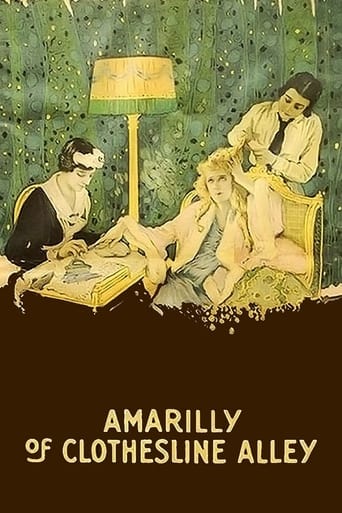
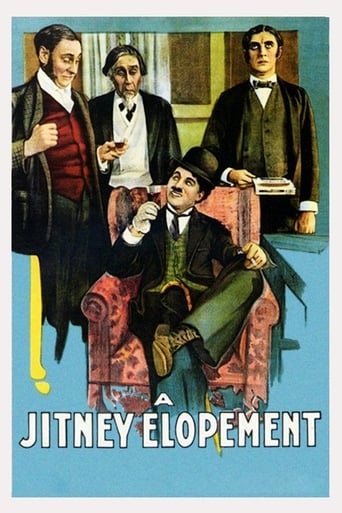
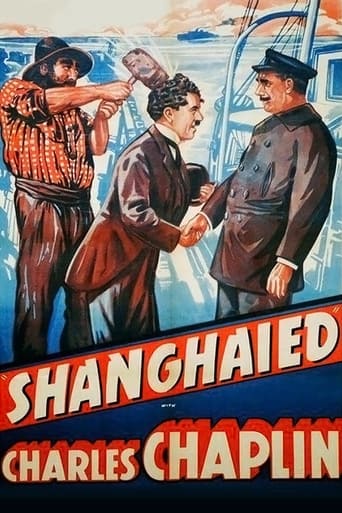
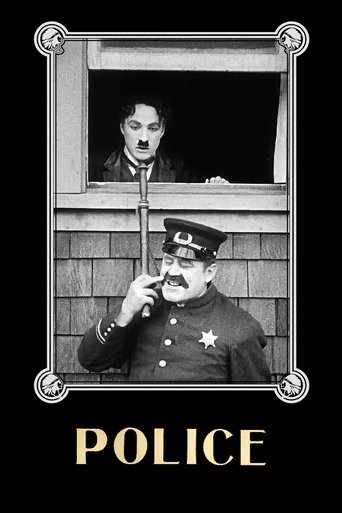
Titles linked here include A Jitney Elopement (1915), Shanghaied (1915).
When was Fred Goodwins born and when did he die?
Born February 26, 1887; died January 15, 1923.
What awards did Fred Goodwins win?
Fred Goodwins did not receive any major awards during his career, which was typical for supporting actors of the silent era when formal award ceremonies were not yet established.
What was Fred Goodwins' acting style?
Goodwins employed a stage-influenced acting style with exaggerated gestures and expressions typical of early silent film actors, with good comedic timing that complemented Chaplin's physical comedy.