


A Night Out
"Pub night, posh restaurant riot"
Keys: Space play/pause · ←/→ 10s · F fullscreen · M mute · </> speed
About this film
After drinks at a pub, Charlie and Ben terrorize a fancy restaurant before Charlie lands in a compromising hotel room with the head waiter's wife. Mutual jealousy and class friction fuel the Keystone chaos.
Cast & crew
More films like this
More Comedy films
View all →







More from Charlie Chaplin
View all →


More about this film
About the production
Release dateFebruary 15, 1915
ProductionEssanay Film Manufacturing Company
Filmed inEssanay Studios, Niles, California
This was one of Chaplin's early films made during his contract with Essanay Studios. The film features Chaplin's developing comedic style and his transition from purely physical comedy to more character-driven humor. The production was typical of the rapid pace of silent film shorts, often completed in just a few days.
Themes
Class conflictDrunken misbehaviorMistaken identitySocial disruptionComedy of errors
Themes & topics
Historical background
Archival records place A Night Out in 1915, a year when the silent feature period shaped what theaters booked.
Why this film matters
Retrospectives include A Night Out when mapping craft and subject matter from the silent feature period.
Making of
The production of 'A Night Out' took place during a highly productive period in Chaplin's career when he was making multiple short films for Essanay Studios. The film was shot quickly, as was typical for shorts of this era, with Chaplin often developing gags and situations on the spot. The collaboration with Ben Turpin was notable as both comedians were known for their distinctive physical comedy styles. Chaplin was already asserting creative control over his films at this point, though he was still under contract to the studio. The restaurant set was constructed specifically for the release, showing Essanay's investment in Chaplin's productions. The hotel sequence required careful choreography to achieve the comedic timing Chaplin desired.
What critics said
Critics revisiting A Night Out emphasize performative and technical choices visible in surviving prints.
Did you know?
- This was one of the few films where Charlie Chaplin and Ben Turpin appeared together on screen
- The film was made during Chaplin's first year at Essanay Studios, before he moved to their Chicago location
- Ben Turpin, who plays Chaplin's companion, was a famous cross-eyed comedian of the era
- The restaurant scenes were filmed on a set designed to look like an upscale dining establishment
- the release features an early example of Chaplin's 'drunk' routine, which he would perfect in later films
- The hotel sequence demonstrates Chaplin's growing skill at creating complex comedic situations
- The film was released just as Chaplin was becoming a major international star
- Like many Chaplin shorts of this period, the film was largely improvised during shooting
- The head waiter character was played by Bud Jamison, who would become a regular Chaplin collaborator
- the release was part of a series of Chaplin shorts that established his 'Little Tramp' character's personality
Visual style
The cinematography in 'A Night Out' was typical of Essanay productions of the era, featuring static camera positions and medium shots that allowed the comedians' physical performances to be clearly visible. The lighting was designed to highlight the action and facial expressions, particularly important for conveying emotion in silent film. The restaurant sequences used wider shots to establish the setting and show the contrast between the elegant environment and the protagonists' chaotic behavior. The hotel scenes employed closer framing to emphasize the intimate and compromising nature of the situation.
Innovations
While not technically innovative in the way some of Chaplin's later films would be, 'A Night Out' demonstrates solid technical craftsmanship typical of Essanay Studios' productions. The film makes effective use of set design to create contrasting environments between the pub, restaurant, and hotel. The editing maintains clear narrative flow and comedic timing. The film features Chaplin's growing understanding of film grammar and his ability to use the medium to enhance his comedy.
Music
As a silent film, 'A Night Out' would have been accompanied by live musical performance during its original theatrical run. The typical accompaniment would have included popular songs of the period, classical pieces, and improvisational music that matched the on-screen action. The score would have varied by theater, ranging from solo piano to small orchestras depending on the venue's resources. No original musical score was specifically composed for the film, as was common practice for shorts of this era.
Memorable scenes
- The chaotic restaurant scene where Charlie and Ben disrupt the elegant dining establishment with their drunken behavior, including Charlie's attempts to dance with a patron and the resulting pandemonium among the staff and customers.
What audiences thought
The film was well-received by audiences of 1915, who were increasingly devoted to Chaplin's work. The combination of Chaplin's physical comedy with Ben Turpin's distinctive style proved popular with theatergoers. The film's themes of drunken misbehavior and class conflict resonated with contemporary audiences. Like many of Chaplin's shorts from this period, 'A Night Out' played to packed houses and helped solidify Chaplin's status as a major box office draw for Essanay Studios.
Film connections
Influenced by
- Music hall comedy
- French comedy films
- Mack Sennett's Keystone comedies
This film influenced
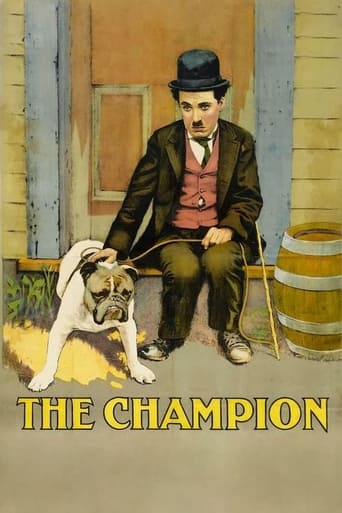
- The Champion (1915)
- A Jitney Elopement (1915)
- The Tramp (1915)
- Later Chaplin feature films
Film restoration
The film is preserved and available through various archives and collections. It has been restored and included in several Chaplin DVD and Blu-ray compilations, particularly those focusing on his Essanay period. The film exists in complete form and is accessible to modern audiences.
Where to watch
- The Criterion Channel
- Kino Lorber DVD collections
- Flicker Alley streaming service
- Various public domain archives
- Museum of Modern Art film collection screenings