
Amarilly of Clothes-Line Alley
"Working-class romance meets high society"
Keys: Space play/pause · ←/→ 10s · F fullscreen · M mute · </> speed
About this film
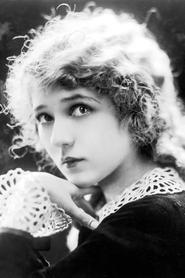
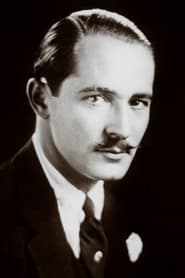
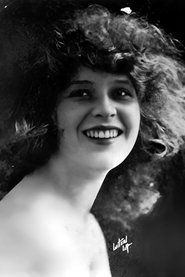
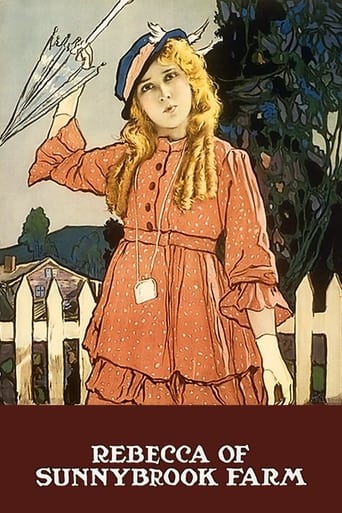
Amarilly lives happily in a working-class neighborhood with her large family and bartender boyfriend Terry until she meets Gordon, a sculptor from wealth. Mary Pickford plays the girl caught between Clothes-Line Alley and the temptations of high society.
Cast & crew
More films like this

More Drama films
View all →







More from Marshall Neilan
View all →
More about this film
About the production
Release dateMarch 18, 1918
Budget$150,000
Box office$800,000 (estimated)
ProductionMary Pickford Film Corporation, Artcraft Pictures Corporation
Filmed inLos Angeles, California, Hollywood, California
This was one of Mary Pickford's most successful productions during her independent period. The film was shot on elaborate sets that recreated the tenement district of New York City. Pickford, who had significant creative control, insisted on authentic details in the set design and costumes to accurately portray working-class life. The production faced challenges in creating convincing upper-class settings that would contrast effectively with the tenement environments.
Themes
Class division and social mobilityThe American DreamLove versus social statusAuthenticity versus pretensionFamily loyalty
Themes & topics
Historical background
Amarilly of Clothes-Line Alley appeared in 1918, when the silent era before Hollywood consolidated into a studio system shaped how movies were financed, distributed, and discussed. Audiences of the day encountered the work amid shifting tastes in acting, pacing, and spectacle. Its focus on amarilly comes from a large family in a working-class neighborhood mirrors themes circulating in popular culture of that moment.
Why this film matters
Amarilly of Clothes-Line Alley (1918) belongs to the wider archive of world cinema, documenting amarilly comes from a large family in a. Archivists and historians value such titles for what they reveal about craft, genre, and audience expectations. Restorations and festival screenings keep the work visible to viewers far beyond its first run.
Making of
Director Marshall Neilan was one of Pickford's favorite collaborators, and their partnership resulted in some of her most successful films. Neilan brought a naturalistic style to the production, encouraging more subtle performances from the actors than was typical in silent films. Pickford, as producer, had final say on all creative decisions and was known to be extremely hands-on during filming, often suggesting changes to scenes and dialogue. The film's success was due in large part to the chemistry between Pickford and her co-stars, as well as the authentic portrayal of class differences that resonated with audiences of the time. The production team spent considerable time researching New York tenements to ensure accuracy in their depiction of working-class life.
What critics said
Press coverage from 1918 is fragmentary for many titles of this vintage; surviving notices for Amarilly of Clothes-Line Alley tend to stress novelty, star power, or topical appeal. Later writing places the picture within its national and generic context, weighing both period conventions and moments that still land for modern viewers. Streaming and disc releases have revived discussion among classic-film audiences.
Did you know?
- Mary Pickford was 26 years old when she played the teenage Amarilly, continuing her tradition of playing young girls well into her twenties.
- The film was adapted from a short story by Belle K. Maniates that had been published in The Saturday Evening Post.
- This was one of the first films where Pickford had complete creative control through her own production company.
- The character of Amarilly was so popular that Pickford reprised similar roles in several subsequent films.
- The film's success helped establish Pickford as the most powerful woman in Hollywood during the silent era.
- William Scott, who played Terry, was Pickford's frequent co-star during this period.
- The tenement set was so detailed that it included actual clotheslines with laundry, creating an authentic atmosphere.
- The film was re-released in 1925 with new intertitles to capitalize on Pickford's continued popularity.
- Pickford reportedly donated a portion of the film's profits to charity, particularly organizations helping the poor.
- The movie was one of the highest-grossing films of 1918, earning more than five times its production budget.
Visual style
The cinematography, handled by Walter Stradling and Charles Rosher, employed innovative techniques for the time, including the use of natural lighting in the tenement scenes to create a realistic atmosphere. The contrast between the dim, cramped spaces of Clothes-Line Alley and the bright, spacious interiors of the wealthy characters' homes was achieved through careful lighting design. The film used medium shots more frequently than was typical for the period, allowing audiences to better connect with the characters' emotions. The camera work was notably fluid for 1918, with smooth tracking shots that followed characters through the tenement streets.
Innovations
The film was notable for its advanced set design, which created convincing representations of both New York tenements and upper-class homes. The production used innovative lighting techniques to distinguish between the different social environments. The editing, supervised by Marshall Neilan, employed cross-cutting to effectively contrast the lives of characters from different social classes. The film also featured relatively sophisticated makeup techniques that allowed Pickford to convincingly portray a much younger character.
Music
As a silent film, the original musical accompaniment would have been provided by theater orchestras or organists. The film was released with a suggested musical score compiled by James C. Bradford, which included popular songs of the era as well as classical pieces. The score emphasized the emotional contrasts between the working-class and upper-class settings, using folk melodies for the tenement scenes and more sophisticated classical pieces for the wealthy environments. Modern restorations have been accompanied by newly composed scores that attempt to capture the spirit of the original musical direction.
Famous quotes
I may be poor, but I'm clean and honest, and that's more than some rich folks can say!
You can take the girl out of Clothes-Line Alley, but you can't take Clothes-Line Alley out of the girl.
Money can buy you a fine house, but it can't buy you a happy home.
I'd rather be poor with people I love than rich with people I don't even like.
Memorable scenes
- The opening sequence showing the bustling life of Clothes-Line Alley with clotheslines stretched between buildings and children playing in the streets
- Amarilly's first visit to Gordon's luxurious studio, where she marvels at the fine art and elegant surroundings
- The emotional confrontation scene where Amarilly must choose between Terry and Gordon
- The final scene where Amarilly returns to her neighborhood, realizing where she truly belongs
What audiences thought
The film was enormously popular with audiences, becoming one of the biggest box office hits of 1918. Working-class viewers particularly connected with the authentic portrayal of tenement life, while upper-class audiences enjoyed the romantic elements and social commentary. The movie's success led to increased demand for similar stories about class mobility and romance. Audiences responded especially well to Pickford's portrayal of Amarilly, which combined innocence with strength and determination. The film's popularity helped cement Pickford's status as America's most beloved movie star and demonstrated the commercial viability of films with strong female protagonists.
Film connections
Influenced by
- The works of Charles Dickens, particularly stories about class differences
- Contemporary stage plays about social mobility
- New York tenement literature of the early 20th century
- Pickford's earlier successful films featuring working-class heroines
This film influenced
- Pollyanna (1920)
- Little Annie Rooney (1925)
- My Best Girl (1927)
- Coquette (1929)
- Later films about class romance such as 'Maid in Manhattan' (2002)
Film restoration
The film is preserved in the Library of Congress and has been restored by the Mary Pickford Foundation. A complete 35mm print exists, and the film has been released on DVD and Blu-ray through various classic film distributors. The restoration work has included cleaning the original negatives and recreating the original tinting for certain scenes. The film is considered to be in good preservation condition for a film of its era.
Where to watch
- The Criterion Channel (streaming)
- The Mary Pickford Foundation website (streaming)
- DVD/Blu-ray releases from Kino Lorber
- Various classic film streaming services
- Film archives and museum screenings
- Public domain versions available on some platforms