
Films
3 films
About Ida Waterman
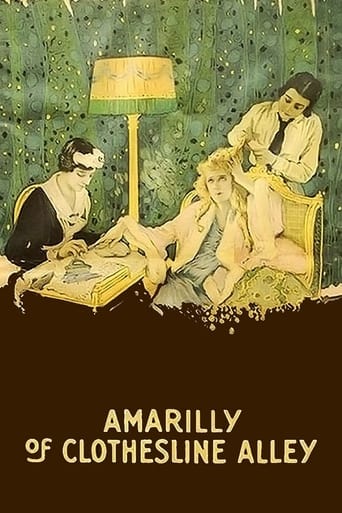
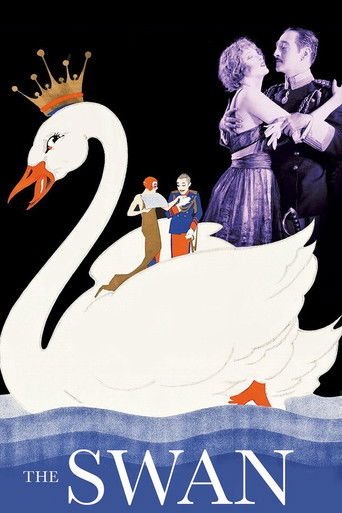
Character actress of the silent-film era who worked steadily in American cinema during the 1910s and into the mid-1920s. She is documented in films such as Stella Maris (1918), Amarilly of Clothes-Line Alley (1918), and The Swan (1925), where she appears in supporting or character roles that were typical of experienced stage-to-screen performers in the period. Like many actors of the silent era, she was part of a large ensemble system in which expressive performance, physical presence, and clear screen characterization mattered more than dialogue. Her surviving filmography suggests a career concentrated in supporting parts rather than star billing, and she is remembered primarily through her appearances in major feature productions of the day. Because she belonged to an early era of film history, detailed personal records about her life are scarce, and much of her biography survives only through cast lists and studio-era documentation. Even so, her credits place her within the active transition from stage-influenced silent acting to the more naturalistic performance style that developed later in the 1920s. She remains a representative figure of the many dependable working actors who helped define the texture and credibility of classic silent cinema.
The Craft
On Screen
As a silent-era supporting actress, Ida Waterman's style would have relied on physical expressiveness, readable gesture, and immediate character definition rather than spoken dialogue. Her known work suggests the kind of restrained but legible screen acting common to experienced character players, especially in studio features built around star-centered narratives. She likely specialized in roles that required comic timing, maternal presence, social authority, or domestic authenticity, as was typical for actresses cast in ensemble melodramas and comedies of the 1910s and 1920s.
Milestones
- Appeared in Stella Maris (1918), one of the major sentimental dramas of the silent era and among Mary Pickford's best-known productions.
- Acted in Amarilly of Clothes-Line Alley (1918), a prominent Mary Pickford comedy-drama that remains a notable title from the period.
- Was Ida Waterman appeared in the Swan (1925), a later silent-era feature that shows her career extending into the mid-1920s.
- Built a career as a reliable supporting performer in feature-length silent films rather than as a headline star.
- Represents the generation of character actors whose work helped give continuity and social realism to early American cinema.
Best Known For
Iconic Roles
Must-See Films
Working Relationships
Worked Often With
Why They Matter
Impact on Culture
Ida Waterman's cultural impact lies less in stardom than in the preservation of the ensemble tradition that sustained silent cinema. Supporting actors like Waterman were essential to the emotional clarity of early features, helping create believable communities around central stars and giving silent films their social texture. Her presence in Mary Pickford productions also places her within some of the most culturally influential films of the 1910s, especially those that shaped American ideas of innocence, class, and domestic life. Although she was not a marquee name, her work contributed to the broader performance vocabulary of the silent screen, where even brief roles had to be instantly intelligible to audiences.
Lasting Legacy
Her legacy is that of a working silent-film character actress whose surviving credits preserve her place in classic film history. Because many supporting performers of the era were not heavily documented, her name endures chiefly through cast records, film archives, and the continued study of silent cinema. She is part of the large but crucial group of performers whose labor made the studio system function long before comprehensive screen credits and modern celebrity culture fully took shape. For historians, Ida Waterman is significant as evidence of the many women whose careers helped populate and stabilize the silent-feature era even when their biographies were never widely publicized. Her filmography also provides a small but important thread linking audiences today to the performance practices of the 1910s and 1920s.
Who They Inspired
Ida Waterman's influence was likely indirect rather than personal and widely recorded, stemming from the example of her professional screen work in the silent era. Supporting actresses like her helped establish the conventions of character acting on film, including economical movement, expressive facial response, and the ability to define class, age, and temperament quickly. Performers who came after benefited from the ensemble standards set in these early features, where every player contributed to narrative coherence and emotional tone. Her work is part of the foundation on which later generations of screen actors built more nuanced cinematic realism.
Off Screen
Very little verified personal information about Ida Waterman survives in standard film references, and her private life has not been widely documented in accessible historical sources. No reliably confirmed biographical details about marriage, children, education, or family background could be established from the available filmographic record. This is common for many silent-era supporting players whose careers were recorded more fully than their personal histories.
Did You Know?
- Ida Waterman is primarily known today through film credits rather than through extensive biographical records.
- She appeared in at least two films associated with Mary Pickford, one of the biggest stars of the silent era.
- Her known screen career spans from 1918 to 1925, placing her squarely in the mature silent-film period.
- She worked in an era when many supporting actors received little publicity and often left few surviving personal records.
- Her credits suggest she was a character performer rather than a leading lady.
- The scarcity of information about her life is typical of many silent-era actresses whose careers were not documented in depth.
- Her surviving filmography shows participation in both drama and comedy-drama productions.
- She is a useful reference point for researchers studying the breadth of ensemble casting in early Hollywood.
Frequently Asked Questions
Who was Ida Waterman?
American silent-film character actress active mainly between 1918 and 1925. She is remembered for supporting roles in classic feature films rather than for star status, and her surviving credits place her within the ensemble world of early Hollywood.
What films is Ida Waterman best known for?
Titles linked here include Stella Maris (1918), Amarilly of Clothes-Line Alley (1918).
When was Ida Waterman born and when did she die?
Her exact birth and death dates are not reliably documented in readily available film reference sources. As a result, her life dates remain uncertain in standard public records tied to her film career.
What awards did Ida Waterman win?
No awards or nominations are currently documented for Ida Waterman in the available historical record. This is not unusual for many silent-era supporting actors whose work predates the modern awards culture.
What was Ida Waterman's acting style?
As a silent-era performer, her style would have depended on expressive facial work, body language, and clear character definition. The surviving evidence suggests she was the kind of dependable supporting actress who brought immediacy and credibility to ensemble scenes.
What is Ida Waterman's legacy in film history?
Her legacy lies in the often-overlooked but essential role of character actors in silent cinema. She represents the many performers whose work helped make early feature films feel populated, emotionally clear, and socially believable.