
Marshall Neilan
Actor & Director
Born: April 11, 1891 in San Bernardino, California, USA Died: October 27, 1958 Active: 1911-1930 Birth Name: Marshall Ambrose Neilan
Films
11 films

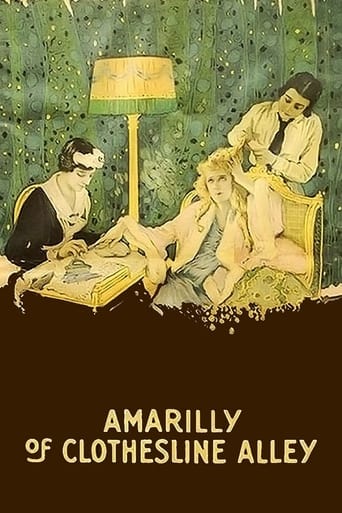
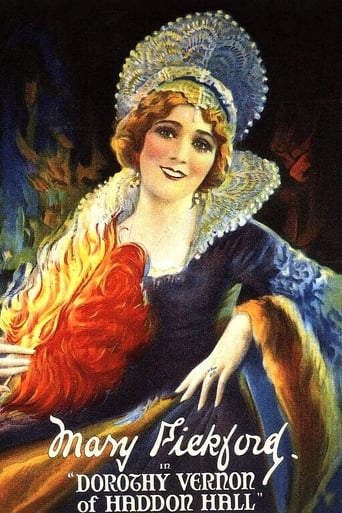
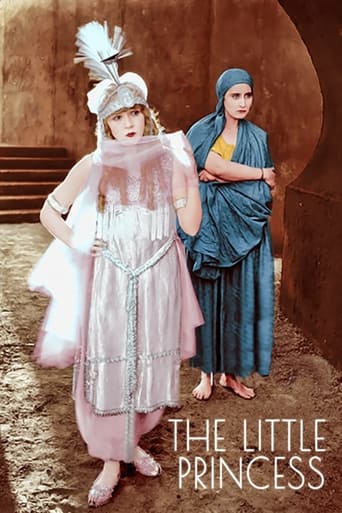
About Marshall Neilan
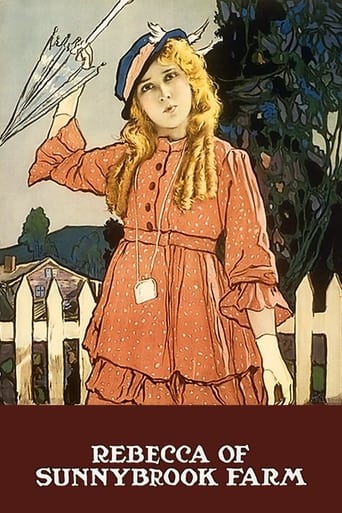
Marshall Neilan was successful and innovative directors of the silent film era, whose career trajectory exemplified both the heights of Hollywood success and the perils of its excess. Beginning as a character actor in 1911, Neilan quickly transitioned to directing, showcasing a natural talent for visual storytelling and emotional depth. His breakthrough came through his collaborations with America's Sweetheart, Mary Pickford, directing her in some of her most celebrated films including 'Rebecca of Sunnybrook Farm' and 'Stella Maris.' Neilan's directorial style was characterized by its sophisticated camera work, naturalistic performances, and ability to extract nuanced emotions from his actors, particularly his female leads. At the height of his career in the early 1920s, he was one of Hollywood's highest-paid directors, commanding astronomical salaries and working with the biggest stars of the day. However, his battle with alcoholism began to take a toll on his reliability and output quality, leading to a decline in his career by the mid-1920s. Despite his professional struggles, Neilan on silent cinema, influencing subsequent generations of filmmakers with his technical innovations and emphasis on psychological realism. His later years saw sporadic attempts at comeback, but the transition to sound films proved challenging, and he eventually faded from the industry he had once helped define.
The Craft
On Screen
As an actor, Neilan specialized in character roles, often playing the everyman or comedic sidekick. His performances were naturalistic and understated for the period, relying more on subtle expressions than the exaggerated gestures common in early silent cinema. His background in vaudeville contributed to his timing and physical comedy skills.
Behind the Camera
Neilan's directing style was ahead of its time, emphasizing psychological depth and naturalistic performances over theatricality. He pioneered sophisticated camera techniques including tracking shots and creative use of close-ups to convey emotion. His films often featured strong female protagonists and explored complex emotional themes with remarkable sensitivity for the era. Neilan was known for his ability to create intimate, character-driven stories while maintaining visual grandeur.
Milestones
- Directed Mary Pickford in 'Rebecca of Sunnybrook Farm' (1917)
- Directed the critically acclaimed 'Stella Maris' (1918) starring Mary Pickford
- Made the successful transition from actor to director by 1915
- Became one of Hollywood's highest-paid directors in the early 1920s
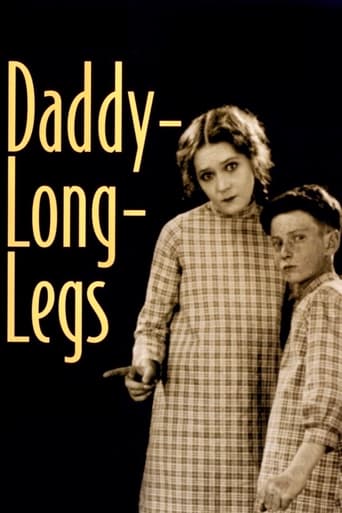
- Directed 'Daddy-Long-Legs' (1919), another Pickford classic
- Formed his own production company, Marshall Neilan Productions
- Mentored future directors including King Vidor
Best Known For
Iconic Roles
Must-See Films
Accolades
Special Recognition
- Hollywood Walk of Fame star (Motion Pictures)
Working Relationships
Worked Often With
Studios
Why They Matter
Impact on Culture
Marshall Neilan played a crucial role in shaping the language of silent cinema, particularly in the development of sophisticated narrative techniques and naturalistic acting styles. His collaborations with Mary Pickford helped establish her as America's Sweetheart and created some of the most enduring works of the silent era. Neilan's emphasis on psychological depth and emotional authenticity pushed the boundaries of what was possible in silent filmmaking, influencing subsequent generations of directors. His technical innovations, particularly in camera movement and visual storytelling, contributed to the evolution of film grammar during the transitional period from primitive to classical cinema.
Lasting Legacy
Despite his relatively short period of peak productivity, Marshall Neilan's legacy endures through his influential films that continue to be studied by film historians and screened at classic film festivals. His work represents a bridge between the theatrical style of early cinema and the more sophisticated psychological realism of the late silent era. Neilan's ability to extract naturalistic performances from his actors, particularly in his collaborations with Mary Pickford, set a new standard for acting in silent films. His career serves as both an inspiration and a cautionary tale about the perils of fame and addiction in Hollywood.
Who They Inspired
Neilan's directing techniques, particularly his use of close-ups for emotional emphasis and his mobile camera work, influenced numerous directors who followed. His approach to directing actresses, focusing on their psychological depth rather than just their beauty, helped establish new standards for female representation in cinema. Directors such as King Vidor and John Ford incorporated elements of Neilan's visual style into their own work. His emphasis on naturalistic acting prefigured the more subtle performance styles that would become standard in sound cinema.
Off Screen
Marshall Neilan's personal life was as dramatic as his films, marked by professional success, romantic entanglements, and personal struggles with addiction. He married actress Blanche Sweet in 1922,. The couple had one child together. Neilan's battle with alcoholism was well-known in Hollywood circles and significantly impacted his career trajectory, leading to unreliable behavior on set and damaged professional relationships. Despite his personal demons, he was widely respected for his directorial talent and was known as a generous mentor to younger filmmakers. His later years were marked by financial difficulties and health problems, though he never completely abandoned his love for cinema.
Education
Limited formal education, largely self-taught in filmmaking through practical experience in the early film industry
Family
- Gertrude Bambrick (1915-1920)
- Blanche Sweet (1922-1929)
- Pauline Curley (1930-1958)
Did You Know?
- Was one of the highest-paid directors in Hollywood during the early 1920s, earning up to $7,500 per week
- Began his film career as a messenger boy for Biograph Studio
- Served in the Army Air Corps during World War I
- His alcoholism was so severe that he once disappeared during production, forcing the studio to hire another director to complete the film
- Discovered and mentored actress Colleen Moore early in her career
- Was known for his improvisational directing style, often encouraging actors to deviate from the script
- His production company, Marshall Neilan Productions, was one of the first independent production companies formed by a director
- Made a successful transition to talkies as an actor, appearing in small roles through the 1930s
- Was friends with fellow director John Ford, who often sought his advice early in his career
- His final years were spent in relative obscurity, working as a script doctor and occasional actor
In Their Own Words
Directing a picture is like trying to conduct an orchestra while the musicians are all playing different tunes.
The camera doesn't lie, but it can be taught to tell beautiful stories.
In this business, you're only as good as your last picture, and sometimes not even that good.
Mary Pickford taught me more about acting than all the books in the world could teach anyone about directing.
Frequently Asked Questions
Who was Marshall Neilan?
Prominent American actor and on YTB.my.
What films is Marshall Neilan best known for?
Titles linked here include Stella Maris (1918), Rebecca of Sunnybrook Farm (1917).
When was Marshall Neilan born and when did he die?
Born April 11, 1891; died October 27, 1958.
What awards did Marshall Neilan win?
While Neilan didn't receive major formal awards during his lifetime, he was honored with a star on the Hollywood Walk of Fame for his contributions to motion pictures, recognizing his significant impact on silent cinema.
What was Marshall Neilan's directing style?
Neilan's directing style emphasized naturalistic performances, sophisticated camera work including tracking shots, and psychological depth. He was known for extracting subtle emotions from actors and visual techniques that advanced the language of cinema.
How did alcoholism affect Marshall Neilan's career?
Neilan's severe alcoholism significantly damaged his career in the mid-1920s, leading to unreliable behavior on set, uncompleted projects, and eventual blacklisting by major studios, despite his earlier success as one of Hollywood's highest-paid directors.