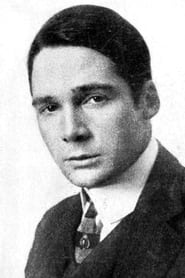
The Wanderer
"Not to be confused with another Biograph short."
Keys: Space play/pause · ←/→ 10s · F fullscreen · M mute · </> speed
About this film
A little over six minutes survive of this Biograph short. Not to be confused with another Biograph short, Olaf- An Atom (1913, starring Harry Carey, later re-released as The Wanderer), a film not directed by Griffith.
Cast & crew
More films like this
More Drama films
View all →







More from D.W. Griffith
View all →
More about this film
About the production
Release dateMarch 1913
ProductionBiograph Company
Filmed inCalifornia, New York
This was one of hundreds of short films D.W. Griffith directed for the Biograph Company during his prolific period there. The film was shot on 35mm black and white film stock typical of the era. Like many Biograph productions, it was likely filmed quickly with minimal budget and resources. The surviving fragments suggest careful composition and Griffith's emerging mastery of cinematic language.
Themes
Wandering and searching for homeBelonging and communityRedemption and personal transformationIdentity and self-discoverySocial mobility in early 20th century America
Themes & topics
driftersmall towncommunityromancepersonal journeybelongingtransformationrural lifeearly 20th century
Historical background
Production circa 1913 meant fixed cameras, intertitles or early sound rigs, and studio economies that shaped every scene in The Wanderer.
Why this film matters
Surviving prints of The Wanderer document how 1913-era filmmakers solved story problems with limited means.
Making of
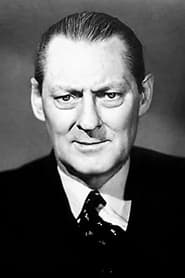
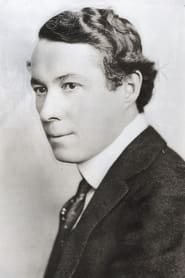
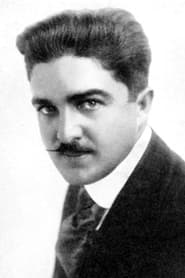
The Wanderer was produced during D.W. Griffith's tenure at the Biograph Company, where he developed many of the cinematic techniques that would later define his career. The film was shot quickly on a tight schedule, as was typical for Biograph productions of the era. Griffith was known for his demanding directorial style and his innovative approach to visual storytelling. The cast, particularly Lionel Barrymore and Henry B. Walthall, were part of Griffith's regular stock company of actors who appeared in numerous films for him. The production likely took place on location in California or at Biograph's studios in New York, as the company split filming between both locations during this period. The film's fragmentary survival status makes it difficult to fully reconstruct the production process, but it represents an important example of Griffith's early narrative filmmaking.
What critics said
Audience data from 1913 is sparse; reception for The Wanderer is inferred from reissue and archival interest.
Did you know?
- Only approximately six minutes of footage from this film survive today, making it a partially lost film
- This should not be confused with another 1913 Biograph short 'Olaf- An Atom' which was later retitled 'The Wanderer' but starred Harry Carey and was not directed by Griffith
- The film was released during Griffith's most prolific period at Biograph, where he directed over 400 short films
- Lionel Barrymore, one of the stars, would go on to become one of Hollywood's most beloved character actors and win an Academy Award
- Henry B. Walthall was a frequent Griffith collaborator who would later star in Griffith's controversial epic 'The Birth of a Nation' (1915)
- The film was shot during a transitional period in cinema when films were evolving from one-reel shorts to longer, more complex narratives
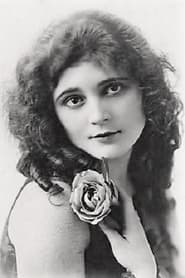
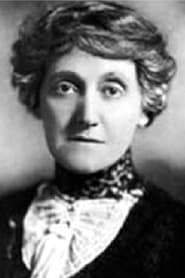
- Claire McDowell was married to fellow actor Charles Hill Mailes and often appeared alongside him in Griffith's films
- The Biograph Company was one of the earliest film production companies in America and served as a training ground for many future Hollywood legends
Visual style
The surviving fragments of The Wanderer demonstrate the cinematographic techniques typical of Griffith's Biograph period. The film was shot by Billy Bitzer or another Biograph cameraman using 35mm black and white film stock. The cinematography shows Griffith's emerging use of varied camera angles and movements, moving away from the static theatrical style of earlier cinema. The lighting appears naturalistic, likely utilizing available light or simple studio setups common to the era. The composition shows careful attention to framing and visual storytelling, with the camera positioned to emphasize character relationships and emotional moments. While the fragmentary nature makes complete assessment difficult, the surviving footage suggests Griffith's increasing sophistication in using visual elements to convey narrative and emotional content.
Innovations
While The Wanderer was a modest production typical of Biograph shorts, it represents part of Griffith's technical experimentation during this period. The film likely employed techniques Griffith was developing at Biograph, including varied shot distances, controlled lighting, and possibly location shooting. The editing shows Griffith's emerging use of continuity cutting to maintain narrative flow across scenes. The film demonstrates the increasing sophistication of American cinema in 1913, moving beyond the simple one-shot tableaux of earlier years. The technical aspects, while not revolutionary individually, contribute to Griffith's overall development of cinematic language that would influence filmmaking for decades. The survival of even fragments of the film provides valuable documentation of early film techniques and production methods.
Music
As a silent film, The Wanderer would have been accompanied by live musical performance during its original theatrical run. The typical accompaniment would have been provided by a pianist or small theater orchestra, often improvising or using compiled music appropriate to the mood of each scene. The exact musical selections used for this film are not documented, which was common for short films of the Biograph era. The score would have followed the conventions of silent film accompaniment, with romantic themes for emotional scenes, more dramatic music for moments of tension, and pastoral motifs for outdoor sequences. Modern screenings of the surviving fragments would typically feature newly composed or compiled period-appropriate music to recreate the silent film experience.
Memorable scenes
- The surviving fragments include scenes of the wanderer's arrival in the small town and his interactions with local residents, showcasing Griffith's emerging ability to convey character relationships through visual storytelling
What audiences thought
Audience reception of The Wanderer in 1913 is not well documented, as was typical for short films of the Biograph era. The film would have been shown as part of a program of multiple short films at nickelodeons and early movie theaters. Contemporary audiences were generally receptive to Griffith's work, which was becoming increasingly sophisticated compared to other films of the period. The themes of wandering and searching for home would likely have resonated with early 20th century audiences experiencing social mobility and displacement. The presence of recognizable actors like Lionel Barrymore and Henry B. Walthall would have been an attraction for regular moviegoers who followed the careers of early film stars. Modern audience reception is limited to film scholars and silent film enthusiasts who view the surviving fragments as historical artifacts.
Film connections
Influenced by
- Contemporary literature about wanderers and drifters
- Stage melodramas of the era
- Social realist fiction of the Progressive Era
- Biblical and literary wanderer archetypes
This film influenced
- Later films about drifters and wanderers
- Character-driven dramas of the silent era
- Films exploring themes of belonging and community
Film restoration
Partially lost film - only approximately six minutes of footage survive, held in film archives. The film is considered fragmentary, with significant portions missing. The surviving material has been preserved by film archives but represents only a fraction of the original production.
Where to watch
- The surviving fragments are held by film archives including the Museum of Modern Art and the Library of Congress
- Occasionally screened at silent film festivals and archival cinema events
- May be included in specialized collections of Griffith's Biograph films released on home video or digital platforms