
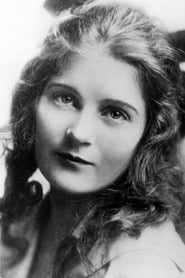
Mae Marsh
Actor
Born: November 9, 1894 in Madrid, New Mexico Territory, USA Died: February 13, 1968 Active: 1910-1964 Birth Name: Mary Wayne Marsh
Films
21 films
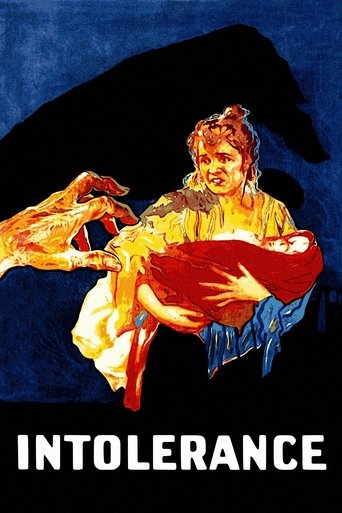
Intolerance: Love's Struggle Throughout the Ages
1916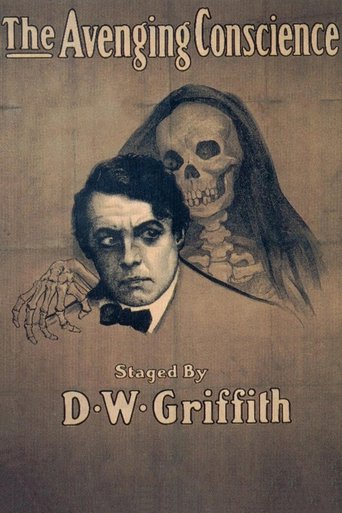
The Avenging Conscience
1914
Judith of Bethulia
1914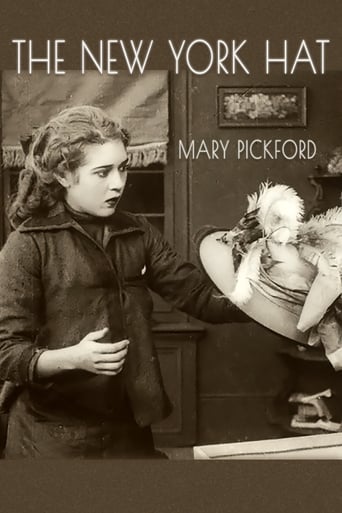
The New York Hat
1912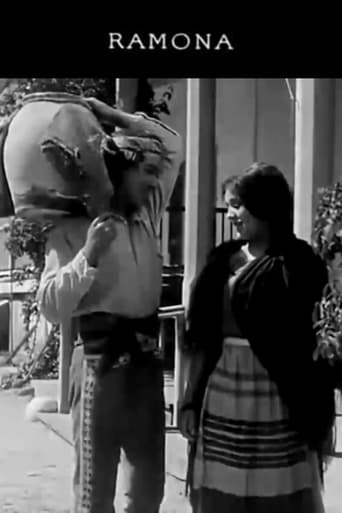
Ramona
1910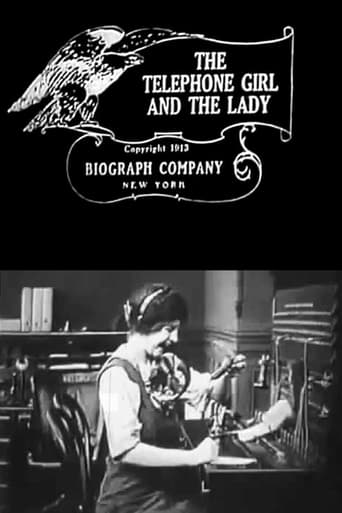
The Telephone Girl and the Lady
1913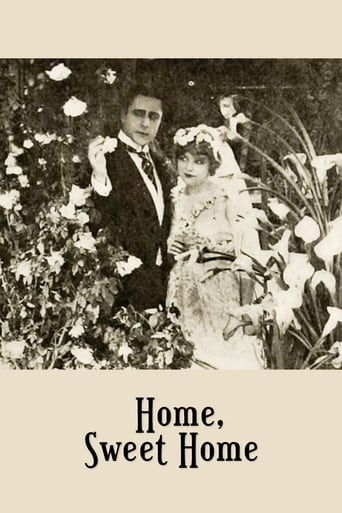
Home, Sweet Home
1914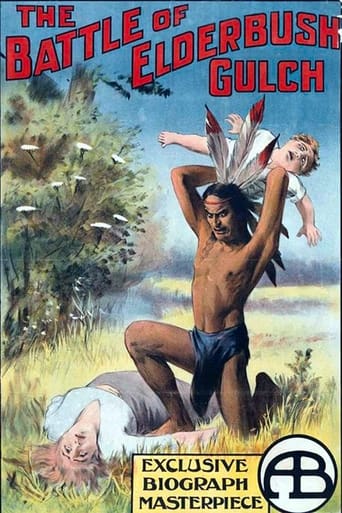
The Battle at Elderbush Gulch
1913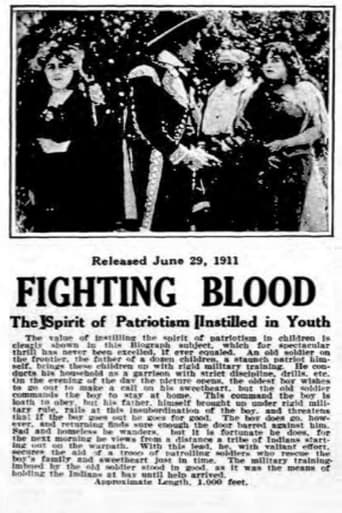
Fighting Blood
1911
The Wanderer
1913
Hoodoo Ann
1916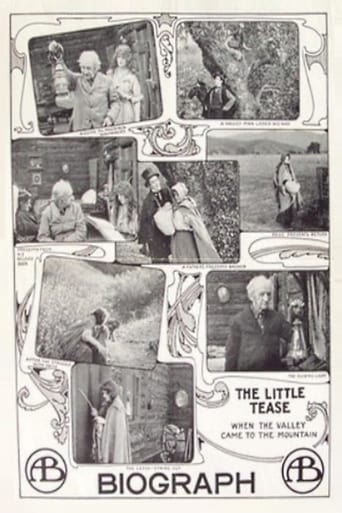
The Little Tease
1913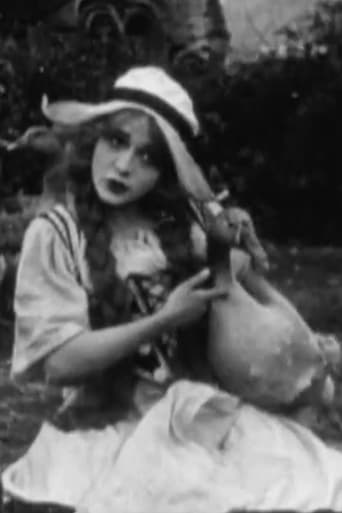
Lena and the Geese
1912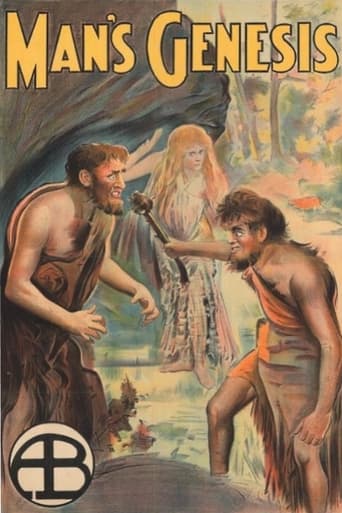
Man's Genesis
1912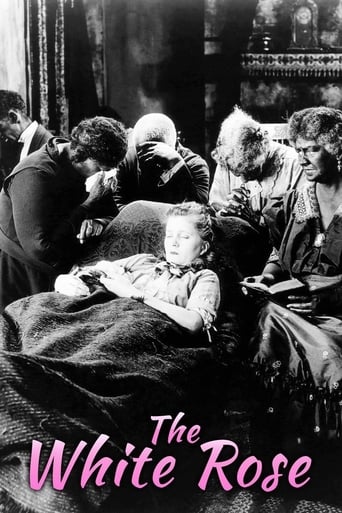
The White Rose
1923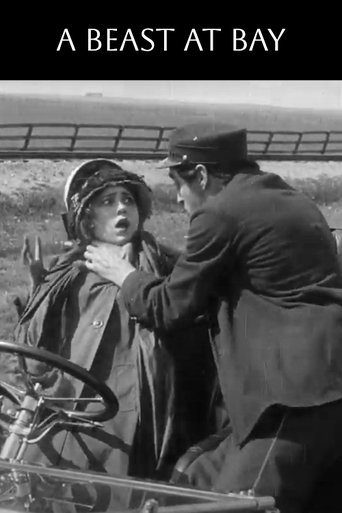
A Beast at Bay
1912
Brutality
1912
Brute Force
1914
Broken Ways
1913
The Lesser Evil
1912About Mae Marsh
Mae Marsh was prominent and emotionally expressive actresses of the silent film era, discovered by director D.W. Griffith and becoming his favored leading lady. Born Mary Wayne Marsh in the New Mexico Territory, she began her film career in 1910 with Biograph Studios, appearing in numerous shorts before her breakthrough performances. Marsh achieved international fame with her devastating portrayal of the Flora Cameron character in Griffith's controversial but epic 'The Birth of a Nation' (1915), followed by her equally powerful performance as 'The Dear One' in 'Intolerance' (1916). Her ability to convey deep emotion through subtle gestures and facial expressions made her particularly suited to the silent medium, earning her the nickname 'The Girl with a Thousand Faces.' After marrying and starting a family, she semi-retired from films in the 1920s but made occasional appearances in sound films, including small roles in classics like 'The Grapes of Wrath' (1940) and 'The Great Race' (1965). Marsh's over five decades, witnessing the entire evolution of cinema from its primitive beginnings to the modern era.
The Craft
On Screen
Mae Marsh was renowned for her naturalistic and emotionally intense acting style, which was revolutionary for the silent era. She possessed the remarkable ability to convey complex emotions through subtle facial expressions and body language, avoiding the exaggerated gestures common among her contemporaries. Her performances were characterized by a childlike innocence and vulnerability that made her particularly effective in melodramatic roles. Griffith often cast her as the suffering heroine, a role she perfected through her gift for conveying both fragility and inner strength. Her acting technique emphasized psychological realism, bringing depth and authenticity to her characters that resonated with audiences and helped elevate the artistic credibility of cinema as a medium.
Milestones
- Discovered by D.W. Griffith at Biograph Studios in 1910
- Breakthrough role in 'The Birth of a Nation' (1915)
- Starred in 'Intolerance' (1916) as 'The Dear One'
- Became one of the highest-paid actresses of the 1910s
- Successfully transitioned to sound films with supporting roles
- Received a star on the Hollywood Walk of Fame
- Published her autobiography 'The Screen Career of Mae Marsh' in 1921
Best Known For
Iconic Roles
Must-See Films
Accolades
Won
- WAMPAS Baby Star (1926)
Special Recognition
- Hollywood Walk of Fame star (Motion Pictures, 1600 Vine Street)
- Academy Honorary Award consideration for contributions to cinema
- Inducted into the New Mexico Film Hall of Fame posthumously
Working Relationships
Worked Often With
Studios
Why They Matter
Impact on Culture
Mae Marsh played a significant role in establishing cinema as a legitimate art form through her groundbreaking performances in D.W. Griffith's epic films. Her work in 'The Birth of a Nation,' despite the film's controversial racial content, demonstrated the emotional power and artistic potential of motion pictures, influencing generations of filmmakers. Marsh's naturalistic acting style helped move film performance away from theatrical exaggeration toward more subtle, psychologically realistic portrayals that would become the standard in cinema. Her popularity during the 1910s made her one of the first true film stars, helping to establish the concept of celebrity culture in Hollywood. The emotional depth she brought to her roles, particularly in 'Intolerance,' showed critics and audiences alike that film could convey complex human experiences with the same artistic sophistication as literature or theater.
Lasting Legacy
Mae Marsh's legacy endures as one of the actresses who helped define the art of film performance during cinema's formative years. Her collaborations with D.W. Griffith produced some of the most influential films in cinema history, and her performances continue to be studied by film scholars and actors interested in the evolution of screen acting. Marsh demonstrated that silent film acting could be subtle, nuanced, and emotionally powerful rather than merely theatrical. Her career trajectory, from stardom in the silent era to character roles in sound films, exemplified the adaptability required for longevity in Hollywood. As one of the last surviving stars from the golden age of silent cinema, she served as a living link to cinema's earliest days, preserving the history and techniques of early filmmaking through interviews and her autobiography. Her influence can be seen in the naturalistic acting styles that would dominate Hollywood in subsequent decades.
Who They Inspired
Mae Marsh's influence on film acting was profound and long-lasting, particularly in establishing naturalistic performance as the ideal for cinema. Her subtle, emotionally authentic style contrasted sharply with the exaggerated gestures common in early film and influenced countless actors who followed, including Lillian Gish and Mary Pickford. Directors praised her ability to convey complex emotions with minimal movement, a technique that would become standard in film acting. Her success in Griffith's epics demonstrated that actresses could carry substantial dramatic weight in films, helping to expand opportunities for women in cinema. Marsh's approach to character development and emotional truth-telling influenced the method acting techniques that would emerge in Hollywood decades later. Film historians credit her with helping to establish the psychological realism that would become a hallmark of great film performances throughout the 20th century.
Off Screen
Mae Marsh married three times during her lifetime and had two daughters. Her first marriage was to actor Lee Arms in 1918, with whom she had two children before their divorce in 1923. She then married businessman Louis Lee Arms in 1925, and after his death, married aviation pioneer and film producer Sam Warner in 1930. Marsh was known for her devout Catholic faith and was actively involved in charitable work throughout her life. Despite her fame, she maintained a relatively private personal life and was respected for her professionalism and dedication to her family. She spent her later years in Hermosa Beach, California, where she lived quietly until her death from a heart attack at age 73.
Education
Attended public schools in Los Angeles, California; no formal dramatic training
Family
- Lee Arms (1918-1923)
- Louis Lee Arms (1925-1930)
- Sam Warner (1930-1956)
Did You Know?
- Was discovered by D.W. Griffith while working as a shop girl in Los Angeles
- Her salary reached $2,500 per week in 1916, equivalent to over $60,000 today
- She was one of the first actresses to have her own fan club
- Published her autobiography at age 27, making her one of the first film stars to write a memoir
- Her sister, Marguerite Marsh, was also a successful silent film actress
- Made a successful transition to sound films, unlike many silent stars
- Appeared in over 200 films during her career, though many are now lost
- Was a founding member of the Hollywood Motion Picture Relief Fund
- Her final film appearance was in 'The Great Race' (1965), 55 years after her debut
- Received a special citation from the Academy of Motion Picture Arts and Sciences for her contributions to cinema
In Their Own Words
In the pictures, you have to be able to show your feelings without words. The camera sees everything, even the things you try to hide.
Working with Mr. Griffith was like going to the best acting school in the world. He taught me that the smallest gesture could mean more than a thousand words.
The secret to good acting in pictures is to feel the emotion truly, and the camera will capture it. You can't fake it - the camera knows.
I never thought of myself as a star. I was just a girl who loved her work and was lucky enough to be discovered by the right people at the right time.
Frequently Asked Questions
Who was Mae Marsh?
American actress of the silent film era, best known for her emotionally powerful performances in D.W. Griffith's epics 'The Birth of a Nation' and 'Intolerance.' She was one of the first true film stars and helped establish naturalistic acting techniques in cinema.
What films is Mae Marsh best known for?
Titles linked here include The Birth of a Nation (1915), Intolerance (1916).
When was Mae Marsh born and when did she die?
Born November 9, 1894; died February 13, 1968.
What awards did Mae Marsh win?
Mae Marsh was named a WAMPAS Baby Star in 1926, received a star on the Hollywood Walk of Fame, and was posthumously inducted into the New Mexico Film Hall of Fame. She was also recognized by the Academy of Motion Picture Arts and Sciences for her contributions to cinema.
What was Mae Marsh's acting style?
Mae Marsh was known for her naturalistic and emotionally intense acting style, which was revolutionary for the silent era. She conveyed complex emotions through subtle facial expressions and body language, avoiding the exaggerated gestures common among her contemporaries.
How did Mae Marsh get discovered?
Mae Marsh was discovered by director D.W. Griffith in 1910 while working as a shop girl in Los Angeles. Griffith was immediately impressed by her natural beauty and emotional expressiveness, casting her in Biograph Studios shorts.
Did Mae Marsh successfully transition to sound films?
Yes, unlike many silent film stars, Mae Marsh successfully transitioned to sound films, though primarily in character and supporting roles. She appeared in notable talkies including 'The Grapes of Wrath' (1940) and continued acting through the 1960s.
What was Mae Marsh's relationship with D.W. Griffith?
Mae Marsh was D.W. Griffith's favorite leading lady and muse during the 1910s. Griffith discovered her, developed her talent, and cast her in his most important films. Their professional relationship was.