

The Avenging Conscience
"Poe’s guilt will not stay buried"
Keys: Space play/pause · ←/→ 10s · F fullscreen · M mute · </> speed
About this film
Thwarted by his despotic uncle from continuing his love affair, a young man's thoughts turn dark as he dwells on ways to deal with his uncle. Convinced that murder is a natural part of life, he kills his uncle and hides the body, only to be haunted by visions and guilt in this Poe-inspired psychological horror.
Cast & crew
More films like this
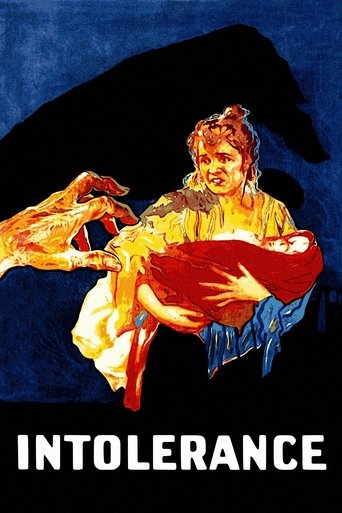
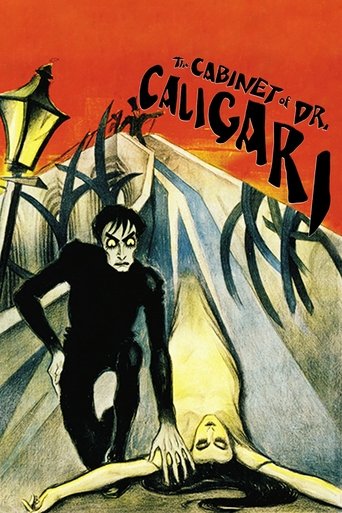
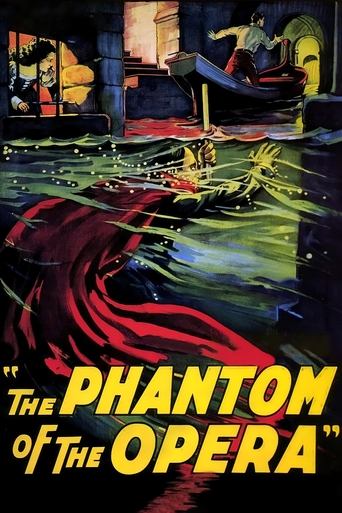
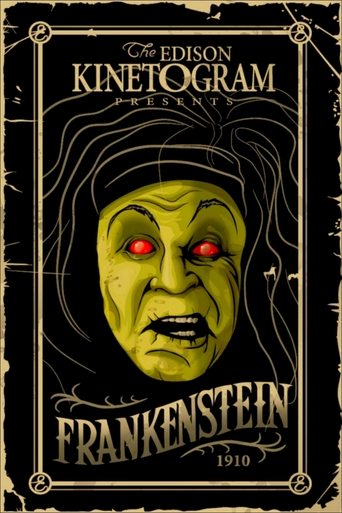
More Drama films
View all →






More from D.W. Griffith
View all →

More about this film
About the production
Release dateAugust 24, 1914
Box officeUnknown - box office records for 1914 films are not well documented
ProductionBiograph Company, Majestic Motion Picture Company
Filmed inCalifornia, Los Angeles area
This was one of D.W. Griffith's early feature-length experiments, combining elements from two Edgar Allan Poe works: 'The Tell-Tale Heart' and 'Annabel Lee.' The film was notable for its extensive use of symbolic imagery and psychological horror elements, which were innovative for the time. Griffith employed sophisticated double exposure techniques to create the ghostly hallucinations that haunt the protagonist. The production marked one of the first serious attempts at psychological horror in American cinema, moving away from the more common gothic and supernatural horror of the period.
Themes
Psychological guiltThe destructive nature of forbidden loveThe thin line between sanity and madnessThe consequences of murderThe power of conscience
Themes & topics
murderguilthallucinationforbidden lovepsychological horrorparanoiaconscienceuncle-nephew relationshipcousin romanceburialpolice investigationmadnessEdgar Allan Poe adaptationbeating heartfloorboards
Historical background
The Avenging Conscience appeared in 1914, when the silent era before Hollywood consolidated into a studio system shaped how movies were financed, distributed, and discussed. Audiences of the day encountered the work amid shifting tastes in acting, pacing, and spectacle. Its focus on thwarted by his despotic uncle from continuing his love affair, a young man's thoughts turn dark as he dwells on ways to deal with his uncle mirrors themes circulating in popular culture of that moment.
Why this film matters
The Avenging Conscience (1914) belongs to the wider archive of world cinema, documenting thwarted by his despotic uncle from continuing his. Archivists and historians value such titles for what they reveal about craft, genre, and audience expectations. Restorations and festival screenings keep the work visible to viewers far beyond its first run.
Making of
The production of 'The Avenging Conscience' represented a significant artistic leap for D.W. Griffith as he moved from the short films that dominated the era to more complex feature-length storytelling. Griffith was deeply influenced by European art films and sought to elevate American cinema beyond simple melodramas. The film's psychological horror elements required innovative visual techniques, including sophisticated use of double exposure to create the ghostly visions that haunt the protagonist. Griffith worked closely with cinematographer Billy Bitzer to develop these effects, pushing the technical boundaries of what was possible in 1914. The casting of Henry B. Walthall was particularly inspired, as his expressive face could convey the mounting psychological torment without dialogue. The production faced challenges from studio executives who were concerned that the dark subject matter might alienate audiences, but Griffith persisted, believing in the artistic merit of exploring psychological themes. The film's score, though not recorded, was carefully planned with detailed musical cues for live accompaniment during screenings, including specific instructions for the famous beating heart sequence.
What critics said
Press coverage from 1914 is fragmentary for many titles of this vintage; surviving notices for The Avenging Conscience tend to stress novelty, star power, or topical appeal. Later writing places the picture within its national and generic context, weighing both period conventions and moments that still land for modern viewers. Streaming and disc releases have revived discussion among classic-film audiences.
Did you know?
- The film is an adaptation of two Edgar Allan Poe works: 'The Tell-Tale Heart' provides the murder and guilt elements, while 'Annabel Lee' supplies the romantic subplot
- This was one of the first American films to explore psychological horror rather than relying on supernatural elements
- D.W. Griffith considered this film one of his most experimental works in terms of visual storytelling techniques
- The beating heart sound effect was created by having a percussionist drum increasingly louder during screenings
- Henry B. Walthall, who plays the nephew, had previously starred in Griffith's 'The Birth of a Nation' the following year
- The film's original title was simply 'The Conscience' but was changed to 'The Avenging Conscience' to emphasize the horror elements
- Blanche Sweet, who plays the cousin, was one of Griffith's favorite actresses and appeared in over 20 of his films
- The film was shot during the same period when Griffith was planning his epic 'Intolerance,' showing his range from intimate psychological drama to massive historical spectacle
- The burial scene beneath the floorboards was achieved using clever camera angles and set construction rather than actual digging
- Contemporary audiences found the psychological intensity of the film disturbing, with some critics calling it 'too intense for polite society'
Visual style
The cinematography by Billy Bitzer was groundbreaking for its time, featuring innovative techniques that would influence cinema for decades. Bitzer employed sophisticated double exposure methods to create the ghostly hallucinations that haunt the protagonist, a technique that was still experimental in 1914. The film uses dramatic lighting contrasts to emphasize the psychological states of the characters, with deep shadows representing the protagonist's descent into madness. Camera movement was more dynamic than typical of the period, with Bitzer using subtle tracking shots to follow characters through their psychological journey. The burial scene beneath the floorboards featured innovative low-angle shots that created a sense of claustrophobia and guilt. Bitzer also experimented with focus changes to represent shifts in consciousness, blurring and sharpening the image to reflect the protagonist's mental state. The film's visual style influenced the later German Expressionist movement with its emphasis on psychological states through visual means. The cinematography helped establish many visual conventions that would become standard in psychological horror films.
Innovations
The film featured several technical innovations that were ahead of their time. The double exposure techniques used to create the ghostly visions were particularly sophisticated, requiring precise timing and multiple exposures on the same film strip. Griffith and his team developed new methods for creating convincing hallucination sequences that would influence visual effects in cinema for decades. The film's editing was more complex than typical of the period, using cross-cutting between reality and hallucination to represent the protagonist's psychological state. The production also experimented with camera angles and movement to create psychological impact, including unusual low angles for the burial scene. The film's pacing was innovative, building tension gradually through visual means rather than relying on intertitles. Special effects were used to create supernatural elements, including floating objects and ghostly apparitions. The production design was carefully planned to reflect the psychological themes, with sets becoming increasingly distorted as the protagonist's madness progresses. These technical achievements helped establish new possibilities for psychological storytelling in cinema.
Music
As a silent film, 'The Avenging Conscience' was originally accompanied by live musical performance during screenings. Griffith provided detailed musical cues in the film's documentation, specifying particular pieces for different scenes to enhance the psychological impact. The most famous musical element was the use of increasingly loud percussion to represent the beating heart that haunts the protagonist, a technique that required skilled musicians to execute effectively. Many theaters used classical pieces, particularly works by composers known for their dramatic intensity, such as Wagner and Liszt. Some larger theaters commissioned original scores from resident composers. The musical accompaniment was crucial to the film's horror elements, with sudden changes in tempo and volume used to create jump scares and psychological tension. Modern restorations have been scored by contemporary composers who attempt to recreate the intended emotional impact while using modern musical resources. The original musical approach demonstrated how early filmmakers used sound to enhance psychological horror, a tradition that would continue into the sound era.
Famous quotes
(Intertitle) 'The conscience of man is a terrible thing when it is awakened.'
(Intertitle) 'In his madness, he saw visions that would have driven a sane man to despair.'
(Intertitle) 'The beating of his heart grew louder, louder, LOUDER!'
(Intertitle) 'Murder? Is it not merely a part of the great scheme of nature?'
(Intertitle) 'Love denied becomes a poison in the soul.'
Memorable scenes
- The murder sequence where the nephew kills his uncle, shot with dramatic shadows and minimal violence but maximum psychological impact
- The burial beneath the floorboards scene, using innovative camera angles to create claustrophobia and guilt
- The hallucination sequences featuring ghostly apparitions created through double exposure techniques
- The famous beating heart scene where the protagonist hears increasingly loud heartbeats driving him to madness
- The final confession scene where the psychological torment becomes unbearable and the protagonist breaks down completely
What audiences thought
Initial audience reactions to 'The Avenging Conscience' were mixed but generally positive, with many viewers impressed by the film's psychological intensity and visual innovations. The film performed well in major urban markets where audiences were more accustomed to sophisticated entertainment. Some viewers found the subject matter disturbing, particularly the murder and subsequent psychological torment, which was unusual for the period. The film's success helped demonstrate that audiences were ready for more complex, adult themes in motion pictures. In smaller towns and more conservative markets, the film sometimes faced resistance from local censors who objected to its dark themes. Despite these challenges, the film developed a reputation as a 'thinking person's picture' and attracted audiences interested in more artistic cinema. Over time, it gained a cult following among early cinema enthusiasts who appreciated its psychological depth and technical achievements. Modern audiences viewing restored versions often express surprise at how sophisticated and psychologically complex a 1914 film could be.
Film connections
Influenced by
- Edgar Allan Poe's 'The Tell-Tale Heart'
- Edgar Allan Poe's 'Annabel Lee'
- German Expressionist cinema (though this film predated most Expressionist works)
- Contemporary stage melodramas
- Psychological literature of the early 20th century
- Griffith's own earlier Biograph shorts
This film influenced
- The Cabinet of Dr. Caligari (1920)
- Nosferatu (1922)
- The Phantom of the Opera (1925)
- Psycho (1960)
- The Shining (1980)
- The Tell-Tale Heart adaptations
- Various film noir psychological thrillers
Film restoration
The film survives in complete form and has been preserved by major film archives including the Museum of Modern Art and the Library of Congress. A restored version was released in the early 2000s with improved image quality and a new musical score. The original nitrate elements have been transferred to safety film and digital formats for long-term preservation. Some scenes show signs of deterioration typical of films from this era, but the overall print quality is remarkably good considering its age. The film is considered one of the better-preserved examples of Griffith's early feature work.
Where to watch
- The Criterion Collection streaming service
- Kino Lorber Blu-ray/DVD releases
- Museum of Modern Art film screenings
- Library of Congress online archive
- Various classic film streaming platforms
- Film archives and cinematheques worldwide
- Educational film distribution services