
Blanche Sweet
Actor
Born: June 18, 1896 in Chicago, Illinois, USA Died: September 6, 1986 Active: 1909-1930 Birth Name: Sarah Blanche Sweet
Films
26 films

Judith of Bethulia
1914
Enoch Arden
1911
The Battle
1911
All on Account of the Milk
1910
For His Son
1912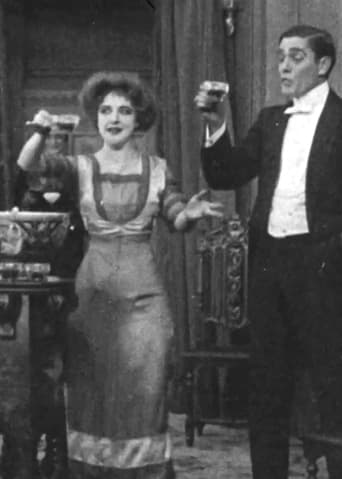
The Day After
1909
The Painted Lady
1912
Fighting Blood
1911
The Eternal Mother
1912
The Miser's Heart
1911
If We Only Knew
1913
The Captive
1915
The Last Drop of Water
1911
Death's Marathon
1913
One Is Business, the Other Crime
1912
The Massacre
1912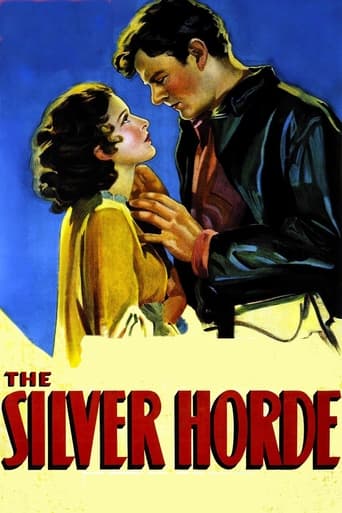
The Silver Horde
1930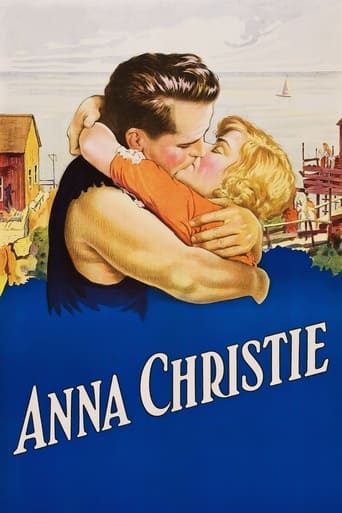
Anna Christie
1923
The Lonedale Operator
1911No Poster
The Sporting Venus
1925
The Goddess of Sagebrush Gulch
1912
Broken Ways
1913
The Making of a Man
1911
Under Burning Skies
1912
The Lesser Evil
1912About Blanche Sweet
Blanche Sweet was one of the actresses of American cinema, beginning her remarkable career as a child actress in the early 1900s at Biograph Studios. She quickly became one of D.W. Griffith's most trusted leading ladies, even preceding Mary Pickford as his primary female star, and developed a reputation for her naturalistic acting style that contrasted sharply with the more theatrical performances common in early cinema. Sweet starred in many landmark films of the silent era, most notably 'Judith of Bethulia' (1914), which is widely considered the first feature-length American film produced in the country. Her ability to convey deep emotion with subtle gestures and expressions helped establish the vocabulary of screen acting that would influence generations of performers. After her successful tenure at Biograph, she worked with prestigious studios like Famous Players-Lasky and collaborated with renowned directors such as Cecil B. DeMille, consistently demonstrating remarkable range in both dramatic and comedic roles. Sweet successfully navigated the challenging transition from child roles to adult leading lady status, a feat few of her contemporaries accomplished with such grace and skill. Though her film career waned with the advent of sound pictures, she did appear in several early talkies before retiring from acting in 1930, leaving behind a legacy of over 150 films that showcased her extraordinary talent and versatility.
The Craft
On Screen
Blanche Sweet was renowned for her naturalistic and understated acting style, which was revolutionary for the silent era. She avoided the exaggerated gestures and melodramatic expressions common among her contemporaries, instead favoring subtle facial expressions and restrained movements that conveyed deep emotional authenticity. Her performances were characterized by remarkable emotional range and psychological depth, allowing audiences to connect with her characters on an intimate level. Sweet's ability to convey complex emotions through minimal movement made her particularly suited for the close-up shots that D.W. Griffith pioneered. Her acting technique emphasized internal emotion rather than external showmanship, establishing a template for realistic screen acting that would influence cinema for decades to come.
Milestones
- Became D.W. Griffith's leading lady at Biograph Studios
- Starred in 'Judith of Bethulia' (1914), the first American feature film
- Successfully transitioned from child actress to adult leading lady
- Worked with major directors including Cecil B. DeMille and Marshall Neilan
- Appeared in over 150 films during her career
- Helped establish naturalistic acting style in early cinema
- Received a star on the Hollywood Walk of Fame
- Made successful transition to early sound films
Best Known For
Iconic Roles
Must-See Films
Accolades
Won
- Hollywood Walk of Fame Star (1960)
- WAMPAS Baby Stars (1922 - as an established actress honoring her continued success)
Special Recognition
- Star on Hollywood Walk of Fame at 6513 Hollywood Blvd
- Preservation of her films by the Library of Congress
- Recognition by the National Film Preservation Board
- Honored by film historian societies for contributions to early cinema
- Featured in Turner Classic Movies' 'Silent Stars' documentary series
Working Relationships
Worked Often With
Studios
Why They Matter
Impact on Culture
Blanche Sweet's impact on cinema extends far beyond her impressive filmography, as she helped establish the very language of screen acting that would define Hollywood for generations. As one of D.W. Griffith's earliest leading ladies, she participated in groundbreaking experiments in film technique and narrative structure that shaped the future of cinema. Her naturalistic acting style represented a significant departure from theatrical traditions, helping to create a new form of performance specifically suited to the camera's intimate gaze. Sweet's successful transition from child actress to adult leading lady demonstrated the possibilities for longevity in a film career, inspiring future generations of performers. Her work in 'Judith of Bethulia' helped prove that feature-length films could be commercially viable and artistically successful in America. By the time of her death, she had become a living link to cinema's earliest days, and her interviews and reminiscences provided invaluable firsthand accounts of Hollywood's formative years. Her films continue to be studied by film scholars and preserved by archives, ensuring that her contributions to cinematic art remain accessible to future generations.
Lasting Legacy
Blanche Sweet's legacy as a actress of the silent era remains secure through her extensive body of work and her influence on the development of screen acting techniques. She is remembered as one of the first truly naturalistic film performers, whose subtle and emotionally authentic approach helped establish the standards for cinematic acting that persist to this day. Her collaborations with D.W. Griffith resulted in some of the most important early American films, many of which have been preserved by the Library of Congress and other film archives. Sweet's career trajectory from child star to respected adult leading lady provided a model for performers seeking longevity in the film industry. Her willingness to share her memories and experiences in later years helped preserve the history of early Hollywood for future generations. The preservation and restoration of her films continue to introduce new audiences to her remarkable talent, ensuring that her contribution to cinema history remains recognized and appreciated. Her star on the Hollywood Walk of Fame serves as a permanent tribute to her significant impact on the development of American cinema.
Who They Inspired
Blanche Sweet's influence on subsequent generations of actors and filmmakers is profound, particularly in her approach to naturalistic screen performance. Her subtle, emotionally nuanced acting style directly influenced the transition from theatrical to cinematic acting techniques, helping establish that screen acting required a different, more intimate approach than stage performance. Younger actresses at Biograph, including Mae Marsh and Lillian Gish, learned from her example and developed their own naturalistic styles. Her work with D.W. Griffith helped demonstrate the emotional power of close-up shots, influencing how directors would use camera techniques to capture intimate performances. Sweet's successful navigation of the child-to-adult transition provided a blueprint for future child stars seeking to maintain their careers. Her preserved films continue to serve as teaching tools for acting students studying the evolution of screen performance. Contemporary filmmakers and actors studying silent cinema often cite her work as exemplary of the emotional depth possible without dialogue. Her interviews and memoirs have provided valuable insights into early Hollywood that continue to inform film historians and scholars studying the silent era.
Off Screen
Blanche Sweet's personal life was marked by two significant marriages and a graceful transition away from Hollywood after her film career ended. She married actor and director Marshall Neilan in 1922, and their union was both professionally and personally significant, though it ended in divorce in 1929 after several years of separation. In 1935, she married stage actor Raymond Hackett, with whom she remained until his death in 1940. Unlike many silent film stars who struggled with the transition to sound, Sweet chose to retire gracefully from acting in 1930, embracing a quieter life away from the spotlight. In her later years, she became a beloved figure among film historians and preservationists, generously sharing her memories of early Hollywood and participating in interviews that helped document the silent era. She spent her final years in New York City, where she passed away at the age of 90, leaving behind a legacy as one of cinema's most talented and actresses.
Education
Educated on film sets and through private tutors while working as a child actress; no formal college education due to her early entry into the film industry
Family
- Marshall Neilan (1922-1929)
- Raymond Hackett (1935-1940)
Did You Know?
- Began her film career at age 13 after winning a beauty contest
- Was paid $25 per week at Biograph Studios, a substantial salary for the time
- Often performed her own stunts in action sequences
- Was one of the first actresses to have a personal dressing room on set
- Her rivalry with Mary Pickford at Biograph was legendary in Hollywood
- Survived the 1918 influenza pandemic while filming
- Turned down the lead role in 'The Sheik' (1921), which made Rudolph Valentino a star
- Was a skilled horseback rider and often performed her own riding scenes
- Her film 'Judith of Bethulia' ran over two hours, unprecedented for its time
- After retiring from films, she worked briefly in radio and theater
- Lived to be 90 years old, outliving most of her silent film contemporaries
- Never won an Academy Award, as the awards weren't established until late in her career
- Was discovered by Biograph Studios while performing in a stage production
- Her first film 'The Day After' (1909) was directed by D.W. Griffith
- Spoke fluent French, which helped in international film distribution
In Their Own Words
In the silent pictures, we had to tell the story with our faces and our bodies. There was no hiding behind dialogue.
Working with Mr. Griffith was like attending the university of filmmaking. We were all learning together, creating a new art form.
The transition to sound was difficult for many of us, but I had always believed in natural acting, so it wasn't as hard for me as for some of the more theatrical performers.
We didn't think we were making history. We were just working, trying to tell stories that would move people.
The close-up was our greatest tool. It allowed us to show emotions that could never be seen from the back row of a theater.
Frequently Asked Questions
Who was Blanche Sweet?
American actress of the silent era who began her career as a child actress in 1909 and became one of D.W. Griffith's leading ladies at Biograph Studios. She was known for her naturalistic acting style and starred in over 150 films, including 'Judith of Bethulia' (1914), considered the first American feature film.
What films is Blanche Sweet best known for?
Titles linked here include Judith of Bethulia (1914), The Avenging Conscience (1914).
When was Blanche Sweet born and when did she die?
Born June 18, 1896; died September 6, 1986.
What awards did Blanche Sweet win?
While the Academy Awards were not established during her peak career years, Blanche Sweet received a star on the Hollywood Walk of Fame in 1960 and was honored by various film preservation societies for her contributions to early cinema.
What was Blanche Sweet's acting style?
Blanche Sweet was renowned for her naturalistic and understated acting style, which was revolutionary for the silent era. She favored subtle facial expressions and restrained movements over the exaggerated gestures common among her contemporaries, helping establish a more realistic approach to screen acting.
How did Blanche Sweet influence cinema?
Blanche Sweet helped establish the language of screen acting through her naturalistic performances, participated in groundbreaking film experiments with D.W. Griffith, and demonstrated that feature-length films could be commercially successful. Her successful transition from child star to adult leading lady provided a model for future performers.
Did Blanche Sweet make talking pictures?
Yes, Blanche Sweet did appear in several early sound films in the late 1920s and early 1930s, though her career had already peaked during the silent era. Her naturalistic acting style helped her transition more successfully to sound than some of her more theatrical contemporaries.
What was Blanche Sweet's relationship with D.W. Griffith?
Blanche Sweet was one of D.W. Griffith's most trusted leading ladies at Biograph Studios, even preceding Mary Pickford as his primary female star. Their collaboration produced many groundbreaking films and helped establish both of their reputations in early Hollywood, though their professional relationship eventually ended when she left Biograph in 1915.