
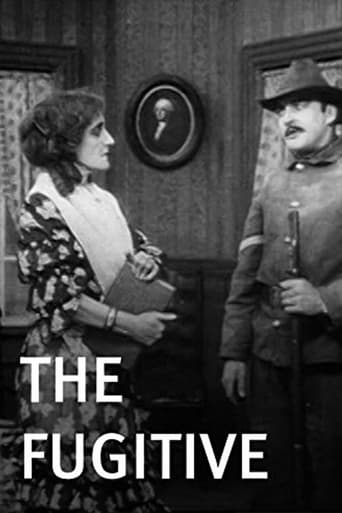
The Battle
"Cowardice, courage, and a trapped regiment"
Keys: Space play/pause · ←/→ 10s · F fullscreen · M mute · </> speed
About this film
Union soldiers march off to battle amid cheering crowds. After the battle turns against the Union Army, one soldier runs away, hiding in his girlfriend's house. Ashamed of his cowardice, he finds his courage and crosses enemy lines to bring help to his trapped comrades.
Cast & crew
More films like this
More Drama films
View all →







More from D.W. Griffith
View all →
More about this film
About the production
Release dateNovember 20, 1911
ProductionBiograph Company
Filmed inFort Lee, New Jersey, California
Filmed during Biograph's relocation period from New York to California, this short film utilized actual military personnel as extras for the battle sequences. The production employed innovative techniques for its time, including location shooting and the use of multiple camera setups to capture the large-scale battle scenes. Griffith's attention to historical detail extended to authentic Civil War-era uniforms and weaponry, borrowed from local collectors and military archives.
Themes
Themes & topics
Historical background
Programmers in 1911 slotted The Battle from Biograph Company beside newsreels, cartoons, and serial chapters.
Why this film matters
Repertory houses screen The Battle to show how 1911 filmmakers staged union soldiers march off to battle amid cheering crowds.
Making of
The Battle was produced during a pivotal period in Griffith's career when he was developing his cinematic language and pioneering narrative techniques. Working with limited resources and tight schedules typical of Biograph productions, Griffith managed to create surprisingly sophisticated battle sequences using a combination of carefully staged action, strategic camera placement, and editing techniques that were innovative for the time. The production faced challenges including unpredictable weather during outdoor filming and the need to coordinate large groups of extras for the battle scenes. Griffith's meticulous attention to detail extended to researching Civil War tactics and uniforms, often consulting historical texts and occasionally actual veterans of the conflict who were still alive in 1911. The film's desertion and redemption storyline reflected Griffith's interest in moral complexity and character development, themes that would become central to his later, more ambitious works.
What critics said
Repertory notes on The Battle highlight survival of the print more than 1911 box-office records.
Did you know?
- This was one of over 300 short films D.W. Griffith directed for the Biograph Company between 1908 and 1913
- The film was shot during Biograph's winter production season in California, taking advantage of the warmer climate for outdoor battle scenes
- Charles West and Blanche Sweet would become regular collaborators in Griffith's Biograph films
- The battle sequences were choreographed with actual Civil War veterans as consultants to ensure authenticity
- This film was part of Griffith's series of Civil War shorts that would eventually culminate in his masterpiece 'The Birth of a Nation' (1915)
- The original negative was destroyed in the 1930s when Biograph liquidated its film library
- The film's theme of redemption through courage would become a recurring motif in Griffith's work
- Only one incomplete print survives today, missing approximately three minutes of footage
- The film was originally released as a split-reel, sharing its release with another Biograph short
- Contemporary advertisements emphasized the film's 'thrilling battle scenes' and 'dramatic rescue sequence'
Visual style
The cinematography of The Battle, credited to Biograph's regular cameraman G.W. Bitzer, employed several innovative techniques for its time. The film utilized location shooting to create a sense of authenticity, with the battle scenes filmed in natural light to enhance their realism. Bitzer employed moving camera shots during the marching sequences, following the soldiers as they advanced, which created a sense of immersion unusual for the period. The battle sequences used multiple camera angles and distances, alternating between wide shots to establish the scale of the conflict and closer shots to highlight individual actions and emotions. The film's visual style emphasized contrast between the bright, optimistic scenes of departure and the darker, more chaotic battle sequences. Bitzer's work demonstrated an understanding of visual storytelling through composition and movement, contributing significantly to the film's dramatic impact.
Innovations
The Battle demonstrated several technical innovations that were advancing cinema in 1911. Griffith's use of cross-cutting between the deserter's hiding place and the trapped soldiers created suspense and narrative complexity that was sophisticated for the period. The film's battle sequences employed techniques for simulating explosions and gunfire that were relatively realistic for the time, using practical effects and careful editing to create the illusion of large-scale conflict. The production also utilized location shooting to an unusual degree for the period, taking advantage of natural landscapes to enhance the film's visual scope and authenticity. The film's editing, particularly in the climactic rescue sequence, showed an understanding of rhythm and pacing that helped build dramatic tension. These technical achievements, while modest compared to later films, contributed to the ongoing development of cinematic language during this crucial period in film history.
Music
As a silent film, The Battle was originally accompanied by live musical performance in theaters. The score would typically have been provided by the theater's house musician or orchestra, using compiled music appropriate to the film's dramatic needs. Common selections might have included patriotic songs like 'Battle Hymn of the Republic' for the departure scenes, dramatic classical pieces for the battle sequences, and tender romantic themes for the scenes between the soldier and his sweetheart. The musical accompaniment was crucial to the film's emotional impact, with musicians instructed to emphasize key moments through their performance. While no specific musical scores for The Battle survive, contemporary accounts suggest that Biograph provided general musical guidelines to theaters to ensure consistent dramatic emphasis across different venues.
Famous quotes
A man's honor is measured not in how he falls, but in how he rises
Cowardice is a heavier burden than any battlefield wound
True courage is not the absence of fear, but acting despite it
Memorable scenes
- The opening sequence of Union soldiers marching through cheering crowds, capturing the patriotic fervor of the period; The tense hiding scene where the deserter watches the battle unfold from his sweetheart's home; The climactic rescue sequence where the redeemed hero leads Union forces to save his trapped comrades; The emotional confrontation between the soldier and his sweetheart as he struggles with his shame
What audiences thought
The Battle was well-received by audiences of 1911, who appreciated its combination of patriotic themes, exciting action, and emotional drama. Contemporary theater owners reported strong attendance for the film, particularly in venues where it was paired with other popular Biograph releases. The Civil War setting resonated with audiences who had personal or family connections to the conflict, making the story's themes of courage and redemption particularly meaningful. The film's dramatic rescue sequence proved especially popular with viewers, becoming a talking point among filmgoers of the time. While specific box office figures are not available, the film's success contributed to Biograph's continued investment in historical and war-themed subjects, recognizing their commercial appeal to early 20th century audiences.
Film connections
Influenced by
- Edwin S. Porter's 'The Great Train Robbery' (1903)
- Contemporary stage melodramas
- Civil War literature and memoirs
- Earlier Biograph war films
- French historical epics
This film influenced
- The Birth of a Nation (1915)
- Intolerance (1916)
- The General (1926)
- later Civil War films
- War films with redemption narratives
Film restoration
The Battle survives in an incomplete 35mm print held by the Museum of Modern Art's Department of Film. The existing print is missing approximately three minutes of footage, including portions of the battle sequence and some character development scenes. The film has been digitally restored from the surviving elements, though the missing footage remains lost. The restoration was completed as part of MoMA's ongoing preservation of D.W. Griffith's Biograph films. While incomplete, the surviving print provides a valuable record of this early work in Griffith's filmography and represents an important artifact from the early development of American narrative cinema.
Where to watch
- The film is available on various DVD collections of D.W. Griffith's early Biograph works
- Streaming on specialized classic film platforms
- Available through film archives and educational institutions
- Screened occasionally at classic film festivals and cinematheques
- Accessible through some public library media collections