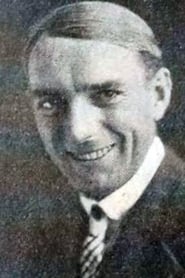
Charles West
Actor
Born: November 30, 1885 in Pittsburgh, Pennsylvania, USA Died: October 10, 1943 Active: 1909-1925 Birth Name: Charles S. West
Films
29 films
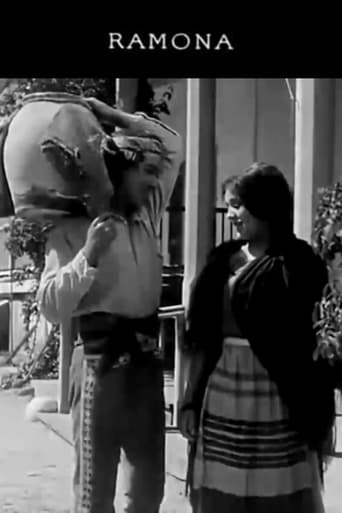
Ramona
1910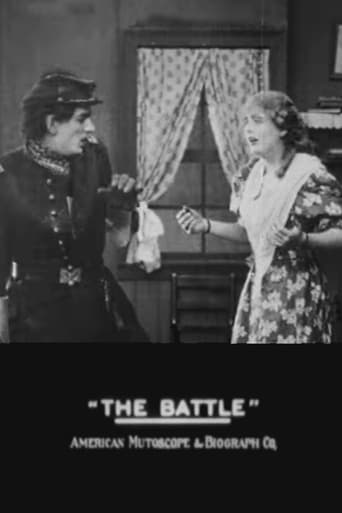
The Battle
1911
For His Son
1912
A Child of the Ghetto
1910
A Flash of Light
1910
Fate's Turning
1911
The House with Closed Shutters
1910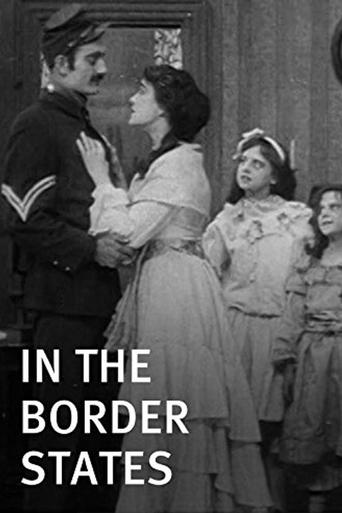
In the Border States
1910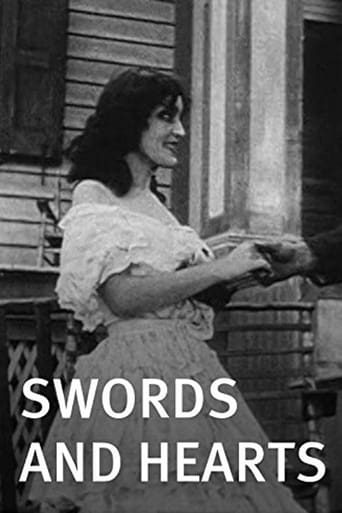
Swords and Hearts
1911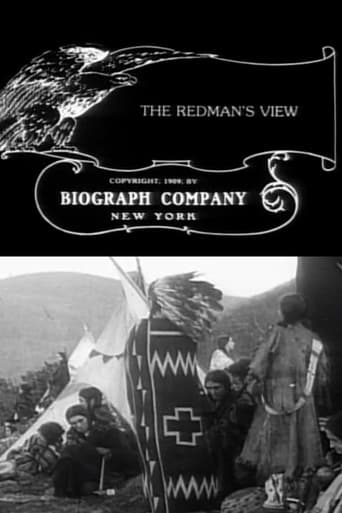
The Redman's View
1909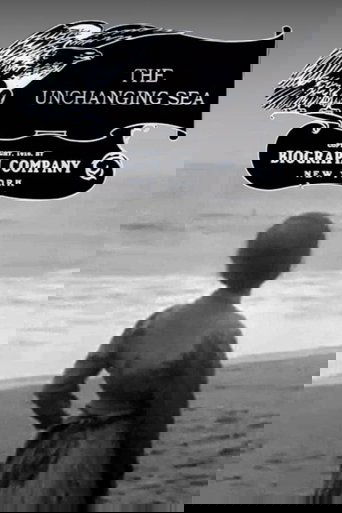
The Unchanging Sea
1910
The Last Drop of Water
1911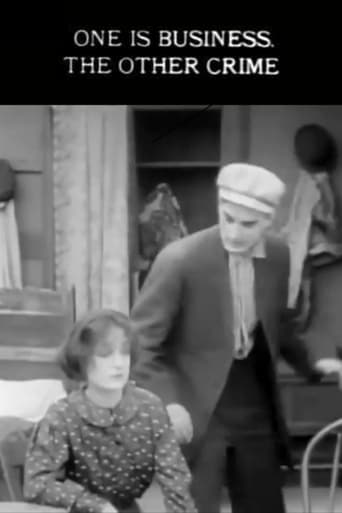
One Is Business, the Other Crime
1912
The Massacre
1912
The Switchtower
1913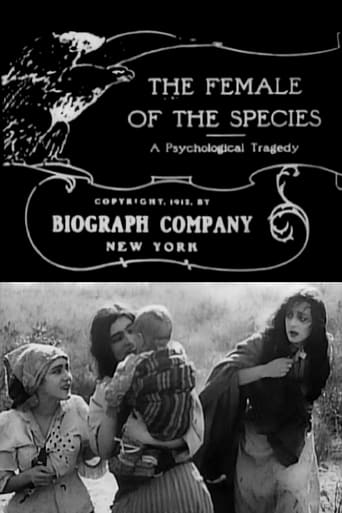
The Female of the Species
1912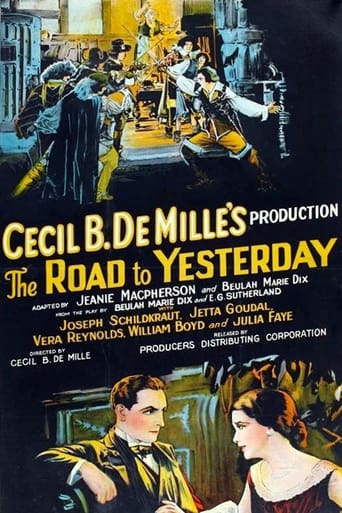
The Road to Yesterday
1925
A Beast at Bay
1912
The Goddess of Sagebrush Gulch
1912
What Shall We Do with Our Old?
1911
In Life's Cycle
1910
For the Defense
1930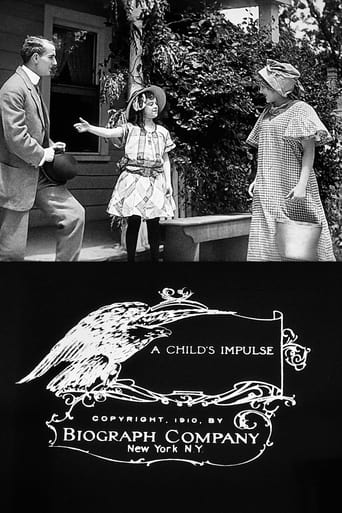
A Child's Impulse
1910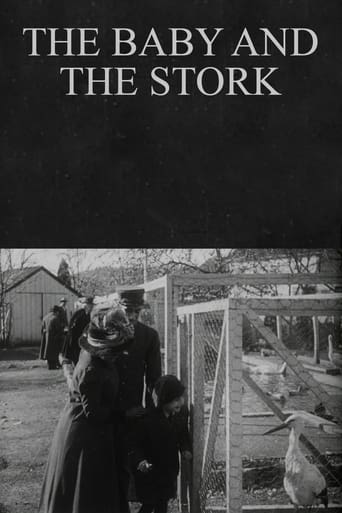
The Baby and the Stork
1911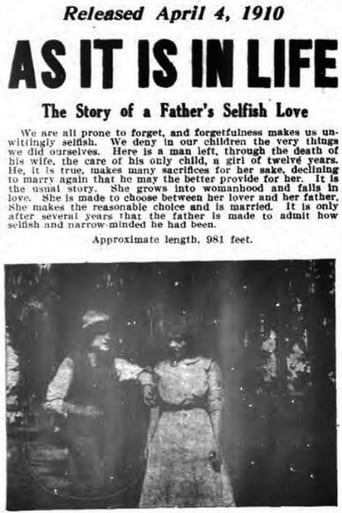
As It Is in Life
1910
Under Burning Skies
1912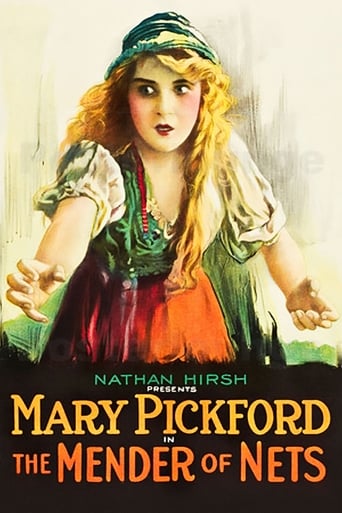
The Mender of Nets
1912
The Lesser Evil
1912About Charles West
American actor of the silent film era who began his career during the foundational years of American cinema. He made his film debut in 1909 with D.W. Griffith at the American Biograph Company, quickly becoming one of the regular performers in Griffith's stock company. West appeared in numerous early Biograph shorts, often playing leading or supporting roles alongside other future stars like Mary Pickford, Mack Sennett, and Owen Moore. His the crucial transitional period from one-reel shorts to feature-length films, working with various studios including Biograph, Majestic, and Universal. West was particularly active during the 1910s, appearing in over 150 films throughout his career. He continued working through the early 1920s but his career waned as the industry evolved and new stars emerged. His final film appearances were in the mid-1920s, marking the end of a career that had spanned nearly two decades of silent cinema development.
The Craft
On Screen
West was typical of the early Biograph actors, employing the broad, theatrical gestures common in the transitional period from stage to screen. His style was more naturalistic than many contemporaries, reflecting Griffith's push for greater subtlety in film acting. He excelled at conveying emotion through facial expressions and body language, essential for silent film storytelling.
Milestones
- Early member of D.W. Griffith's stock company at Biograph
- Appeared in over 150 films during silent era
- Transitioned from shorts to feature films
- Worked with directors of early cinema
Best Known For
Iconic Roles
Must-See Films
Working Relationships
Worked Often With
Studios
Why They Matter
Impact on Culture
Charles West was part of the foundational generation of American film actors who helped establish the grammar of cinema performance. As a regular in D.W. Griffith's early Biograph films, he contributed to the development of film acting techniques that would influence generations of performers. His work during this crucial period helped demonstrate how actors could effectively convey emotion and narrative without sound, contributing to the artistic legitimacy of the new medium.
Lasting Legacy
While not as well-remembered as some of his contemporaries who became major stars, Charles West represents the journeyman actor who was essential to the early film industry's growth. His extensive filmography provides a valuable record of early American cinema development. His career trajectory from the early Biograph days through the transition to features mirrors the evolution of the American film industry itself.
Who They Inspired
West's naturalistic approach to film acting, influenced by Griffith's direction, contributed to the move away from theatricality toward more screen-appropriate performance styles. His work in hundreds of early films helped establish templates for character types and performance techniques that would be refined by later generations of actors.
Off Screen
Charles West married actress Lillian B. West in 1915, and the couple often appeared together in films. Their marriage lasted until his death in 1943. Beyond his film career, little detailed information is available about his personal interests or activities outside of the motion picture industry. He lived primarily in the Los Angeles area during his active years in Hollywood.
Education
No formal acting training documented; likely learned through on-the-job experience during the early film era
Family
- Lillian B. West (1915-1943)
Did You Know?
- Appeared in over 150 films during his 16-year career
- Was part of D.W. Griffith's original stock company at Biograph
- Married fellow actress Lillian B. West who appeared in many of his later films
- Worked during the transitional period when American cinema was establishing its artistic identity
- His active years covered from the one-reel era to the feature film era
- Often played romantic leads and dramatic supporting roles
- Worked with many future Hollywood legends in their early careers
- Was one of the many actors whose careers declined as the studio system solidified
- Survived the transition from the East Coast film industry to Hollywood
- His filmography includes many lost films from the early silent era
Frequently Asked Questions
Who was Charles West?
Screen credits include over 150 films between 1909 and 1925. He was a member of D.W. Griffith's early Biograph stock company and contributed to the development of American cinema during its formative years.
What films is Charles West best known for?
Titles linked here include The Redman's View (1909), Ramona (1910).
When was Charles West born and when did he die?
Born November 30, 1885; died October 10, 1943.
What awards did Charles West win?
Charles West did not receive any major awards during his career, as many of the prestigious film awards were established after his most active period. His contributions were primarily through the volume and quality of his work in early American cinema.
What was Charles West's acting style?
West's acting style was typical of the transitional period from stage to screen, featuring broad gestures but with growing naturalism influenced by D.W. Griffith's direction. He excelled at conveying emotion through facial expressions and body language essential for silent film storytelling.
Did Charles West work with any famous directors?
Yes, Charles West worked extensively with D.W. Griffith during his early Biograph period, which was crucial as Griffith was establishing himself as one of America's directors. This collaboration during 1909-1911 formed the foundation of West's career.
Was Charles West married?
Yes, Charles West married actress Lillian B. West in 1915, and they remained married until his death in 1943. The couple often appeared together in films during the later part of his career.