The Switchtower
"A boy saves his switchman's father"
Keys: Space play/pause · ←/→ 10s · F fullscreen · M mute · </> speed
About this film
A switchman's son playing near the tower intervenes when duty and disaster threaten his father's record. A 1913 railroad rescue melodrama.
Cast & crew
More films like this
More Drama films
View all →







More from Anthony O'Sullivan
View all →

More about this film
About the production
Release dateMarch 22, 1913
ProductionBiograph Company
Filmed inCalifornia, New York
The Switchtower was produced during the peak of the Biograph Company's output under D.W. Griffith's supervision. The film utilized actual railway locations and equipment, lending authenticity to the production. The switch-tower set was constructed to mirror real railway operations of the era, with working signal systems and authentic switching mechanisms. The film was shot on 35mm film using the standard Biograph format of the period.
Themes
Family loyaltyDuty versus personal desireComing of ageTechnological progressGood versus evil
Themes & topics
railwayswitchmancounterfeitersfamily dramarescuehonordutychild heroindustrial settingcrime prevention
Historical background
The Switchtower (1913) reached audiences during the nickelodeon era, when exhibitors mixed shorts and features on the same program.
Why this film matters
Historians retain The Switchtower as a record of how filmmakers in 1913 addressed popular genres.
Making of
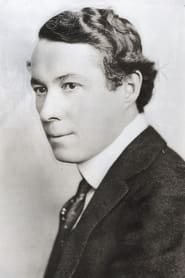
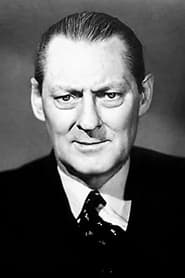
The Switchtower was produced during a transitional period in American cinema when films were evolving from simple one-reel scenarios to more complex narratives. Director Anthony O'Sullivan, who was also an actor for Biograph, brought his practical understanding of film performance to his direction. The production faced significant challenges filming around active railway lines, requiring careful coordination with railroad companies to ensure safety while maintaining authenticity. The cast, particularly Henry B. Walthall and Lionel Barrymore, were part of Biograph's stock company of actors who worked together regularly, creating a natural chemistry that enhanced their performances. The film was shot during winter months, which added production difficulties but also contributed to the dramatic atmosphere of the railway scenes.
What critics said
Trade coverage from 1913 treated The Switchtower as program material; later writers evaluate it through preservation and genre context.
Did you know?
- The Switchtower was one of the last films Anthony O'Sullivan directed for Biograph before leaving the company
- Henry B. Walthall, who plays the father, would later star in D.W. Griffith's 'The Birth of a Nation' (1915)
- Lionel Barrymore appears in an early role before becoming one of Hollywood's most celebrated character actors
- The film was released during the height of the railway melodrama genre, which was extremely popular with early cinema audiences
- Claire McDowell, who plays the mother, was married to director Anthony O'Sullivan at the time of filming
- The Biograph Company typically released three films per week, and The Switchtower was part of their regular production schedule
- The film's railway scenes were shot on location at working rail yards, creating significant safety challenges for the cast and crew
- The counterfeiters subplot reflects contemporary concerns about railway crime and security in early 20th century America
- The switch-tower depicted in the film represents the technological advancement of railway signaling systems of the period
- The film was distributed theatrically on a split-reel basis, often paired with a comedy short
Visual style
The cinematography of The Switchtower reflects the visual style of early American cinema, characterized by static camera positions and long takes. The film utilizes location photography at actual railway sites, which was relatively innovative for 1913 and added visual authenticity to the production. The cinematographer employed medium shots for character interactions and wider shots to establish the railway settings and action sequences. The film's visual composition emphasizes the mechanical elements of the railway, with careful attention to the switch-tower equipment and train movements. Lighting was primarily natural, typical of outdoor shoots of the period, creating high-contrast images that enhance the dramatic tension of key scenes.
Innovations
The Switchtower demonstrates several technical achievements typical of quality Biograph productions of the period. The film's use of actual railway locations and equipment represented a commitment to authenticity that was becoming increasingly valued by audiences. The production successfully integrated multiple plot threads - the father-son relationship, the duty vs. love conflict, and the counterfeiters' criminal activities - within a concise 17-minute runtime, showing sophisticated narrative construction for the era. The film's action sequences, particularly those involving trains and railway equipment, required careful planning and execution to achieve dramatic effect while maintaining safety. The editing techniques, including cross-cutting between different storylines and locations, were relatively advanced for 1913 and contributed to the film's narrative momentum.
Music
As a silent film, The Switchtower would have been accompanied by live musical performance during theatrical exhibition. The typical score would have been provided by a house pianist or small orchestra, using popular musical cues and classical pieces appropriate to the dramatic content. The railway scenes would likely have been accompanied by rhythmic, percussive music to suggest the motion and power of trains. The counterfeiters' confrontation would have been scored with dramatic, tension-building music, while the family moments would have featured softer, more lyrical themes. The musical accompaniment was crucial to conveying emotion and enhancing the narrative impact in the absence of synchronized sound.
Famous quotes
Silent film - no dialogue quotes available
Memorable scenes
- The climactic scene where the young boy uses his knowledge of the switch-tower operations to trap the counterfeiters by manipulating the railway signals, forcing their train onto a siding where they are captured by authorities. This sequence features the boy's transformation from observer to hero and demonstrates the practical application of his railway education.
What audiences thought
The Switchtower was well-received by contemporary audiences, particularly those fascinated by railway themes and action melodramas. The film's combination of family drama, criminal intrigue, and railway action appealed to the broad audience base that frequented nickelodeons and early movie theaters. Audience response was generally positive, with many viewers appreciating the authentic railway settings and the suspenseful counterfeiter subplot. The film's clear moral message and satisfying resolution aligned with audience expectations of the period. As part of Biograph's regular programming, it helped maintain the company's reputation for producing reliable, entertaining content for the rapidly growing movie-going public.
Film connections
Influenced by
- Biograph Company house style
- D.W. Griffith's narrative techniques
- Industrial melodrama genre conventions
- Railway literature and popular culture
This film influenced
- Later railway-themed melodramas
- Biograph productions featuring child protagonists
- Industrial workplace dramas of the 1910s
Film restoration
The Switchtower is believed to be a lost film. Like many Biograph productions from this period, particularly those directed by Anthony O'Sullivan, no complete copies are known to exist in film archives or private collections. The loss of the release is representative of the broader tragedy of early American cinema, where an estimated 75-90% of silent films have been lost due to the unstable nature of early film stock and lack of systematic preservation efforts. Some production stills or promotional materials may survive in archives, but the film itself has not been located.
Where to watch
- Not available - film is considered lost