Films
9 films
About William A. Carroll
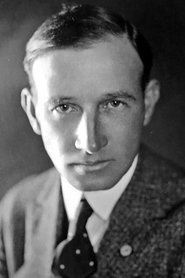
American actor who worked during the formative years of American cinema, primarily appearing in silent short films between 1912 and 1913. He was associated with Biograph Studios, production companies of the early silent era, where he worked under director D.W. Griffith. Carroll appeared in numerous one-reel shorts that were typical of the period, often playing supporting roles in westerns and dramatic shorts. His filmography includes several notable Biograph productions that helped establish cinematic language and storytelling techniques. Like many actors of this era, his career was brief but contributed to the development of early American cinema. Carroll's work coincided with the transition from actualities to narrative filmmaking, making him part of a generation that helped define cinematic art. Unfortunately, like many early film actors, detailed records of his life and career are sparse, reflecting the transient nature of early film work and the lack of comprehensive documentation from this period.
The Craft
Milestones
- Worked with D.W. Griffith at Biograph Studios
- Appeared in early narrative shorts during cinema's formative years
- Participated in the development of early American cinema
- Performed in multiple films during the peak of Biograph's production
Best Known For
Must-See Films
Working Relationships
Worked Often With
Studios
Why They Matter
Impact on Culture
William A. Carroll was part of the foundational generation of American film actors who helped establish the language of cinema during its transition from novelty to art form. His work at Biograph Studios under D.W. Griffith placed him at the epicenter of early American film innovation, where new techniques in editing, performance, and storytelling were being developed. Although his individual contributions were small, collectively, actors like Carroll were essential in proving that film could support dramatic performances and complex narratives, paving the way for the feature film industry that would follow.
Lasting Legacy
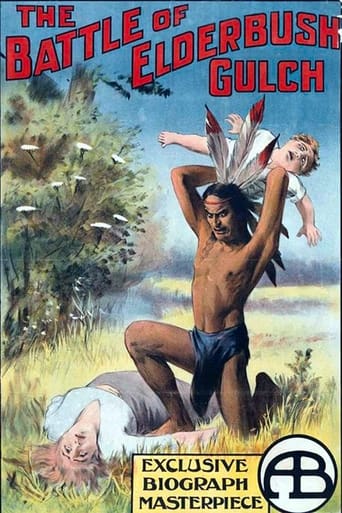
William A. Carroll's legacy is primarily historical, representing the countless anonymous performers who contributed to early cinema's development. His surviving films serve as valuable documents of early American filmmaking techniques and performance styles from the Biograph era. While he never achieved star status, his work in films like 'The Battle at Elderbush Gulch' has been preserved as part of film history, offering modern scholars and enthusiasts insight into the earliest days of narrative cinema.
Who They Inspired
As a supporting actor in early Biograph shorts, William A. Carroll's influence was limited to his immediate contributions to these films. He was part of the ensemble that helped D.W. Griffith develop his cinematic techniques, though his individual influence on subsequent performers is difficult to trace. His work exemplifies the type of ensemble acting that characterized early American shorts before the star system fully developed.
Off Screen
Very little is known about William A. Carroll's personal life, which is typical of many early film actors whose careers were brief and occurred before comprehensive film industry documentation became standard. Like many actors of the Biograph era, he likely came from a theatrical or vaudeville background, as was common for early film performers.
Did You Know?
- His entire known filmography spans only two years: 1912-1913
- He worked during the peak period of Biograph Studios' output
- Like many early actors, he appeared in multiple films directed by D.W. Griffith
- His films were all one-reel shorts, typical of the era
- Several of his films were westerns, a popular genre in early cinema
- He was part of the Biograph stock company during a crucial period of film innovation
- None of his films survive in complete form, though fragments may exist
- His career ended before the feature film became the industry standard
Frequently Asked Questions
Who was William A. Carroll?
American silent film actor who worked briefly between 1912-1913, primarily appearing in short films for Biograph Studios under on YTB.my.W. Griffith during the early development of American cinema.
What films is William A. Carroll best known for?
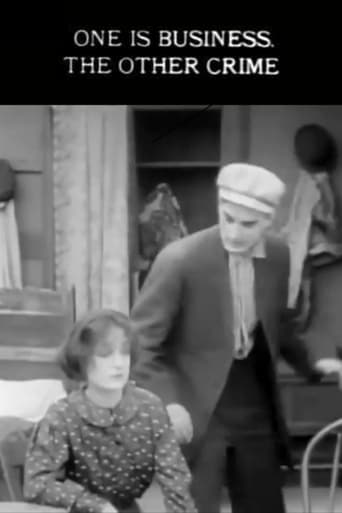
Titles linked here include The Battle at Elderbush Gulch (1913), One Is Business, the Other Crime (1912).
When was William A. Carroll active in films?
William A. Carroll's known film active years covered only two years, from 1912 to 1913, during which he appeared in multiple short films for Biograph Studios.
Did William A. Carroll work with any famous directors?
Yes, William A. Carroll worked with D.W. Griffith,.
Why is so little known about William A. Carroll?
Limited information about Carroll is typical of early film actors whose careers were brief and occurred before comprehensive industry documentation. Many early performers came from theater backgrounds and left few personal records.