
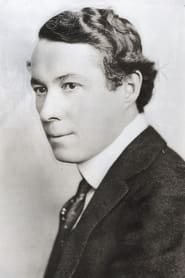
Henry B. Walthall
Actor
Born: March 16, 1878 in Shelby County, Alabama, USA Died: June 17, 1936 Active: 1908-1936 Birth Name: Henry Brazeale Walthall
Films
42 films
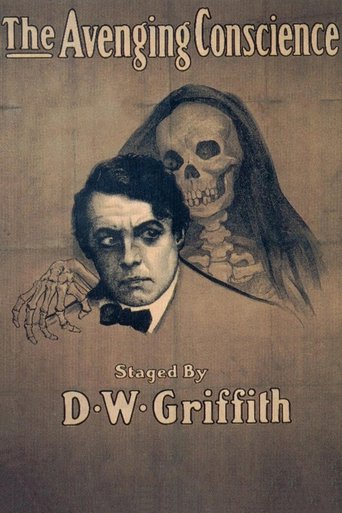
The Avenging Conscience
1914
Judith of Bethulia
1914
The Sealed Room
1909
The Burglar’s Dilemma
1912
Ramona
1910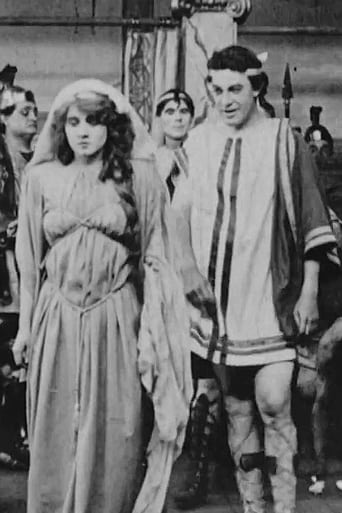
The Slave
1909
A Corner in Wheat
1909
1776, or The Hessian Renegades
1909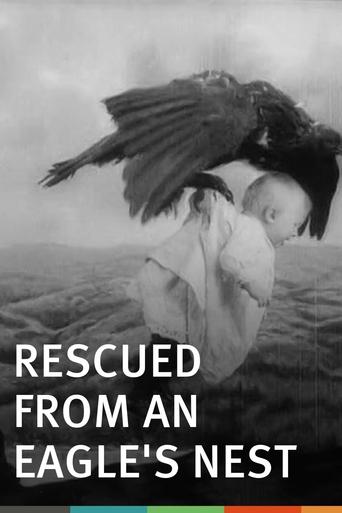
Rescued from an Eagle's Nest
1908
Friends
1912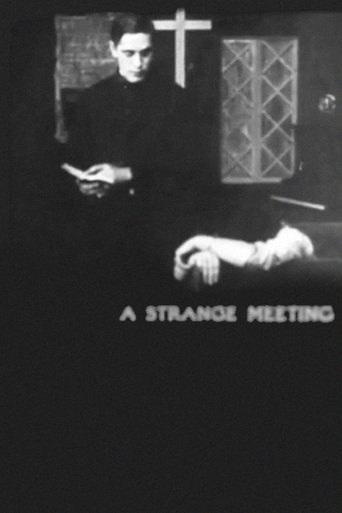
A Strange Meeting
1909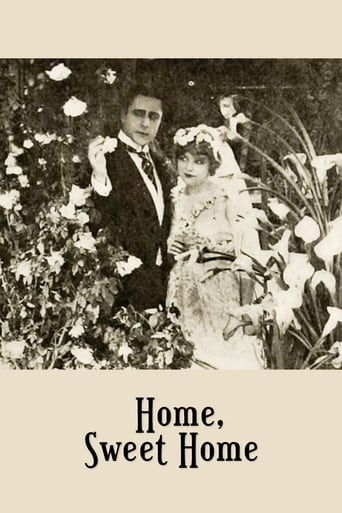
Home, Sweet Home
1914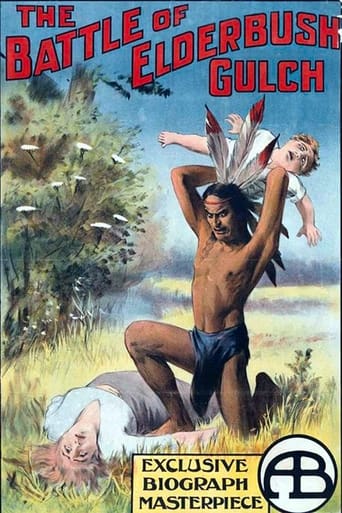
The Battle at Elderbush Gulch
1913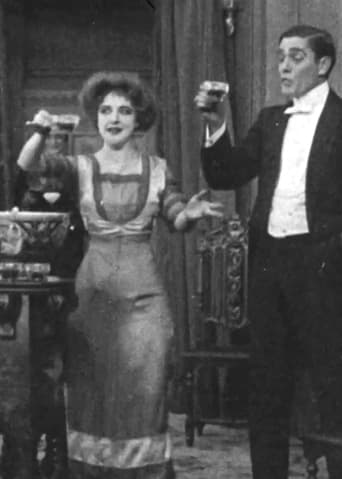
The Day After
1909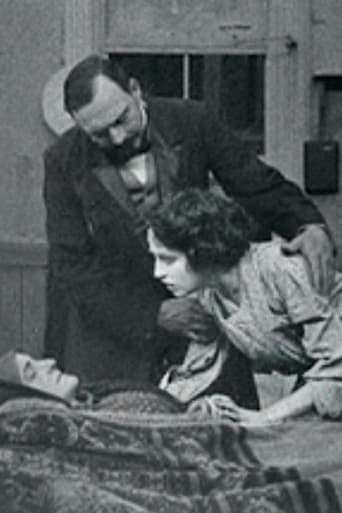
A Child of the Ghetto
1910
A Flash of Light
1910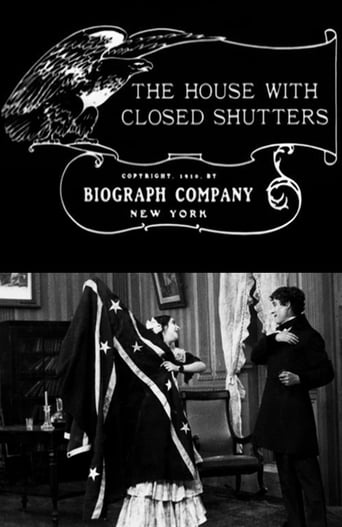
The House with Closed Shutters
1910
A Trap for Santa Claus
1909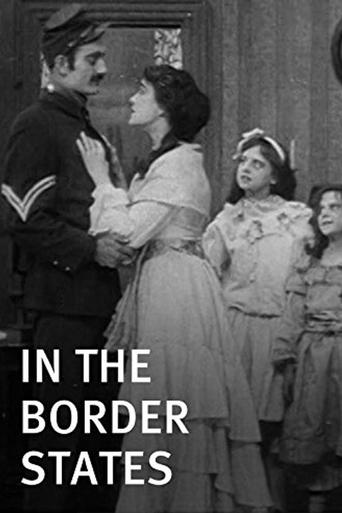
In the Border States
1910
The Oath and the Man
1910
The Wanderer
1913
If We Only Knew
1913
The False Faces
1919
Death's Marathon
1913
The Switchtower
1913
The Little Tease
1913
Wings
1927
The Scarlet Letter
1926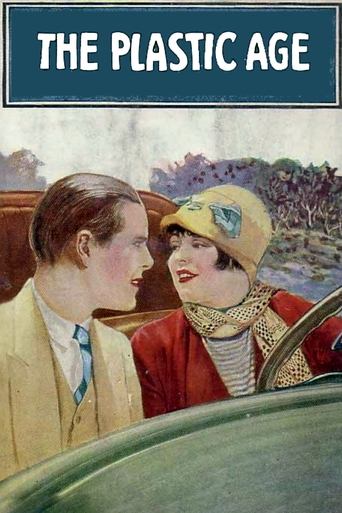
The Plastic Age
1925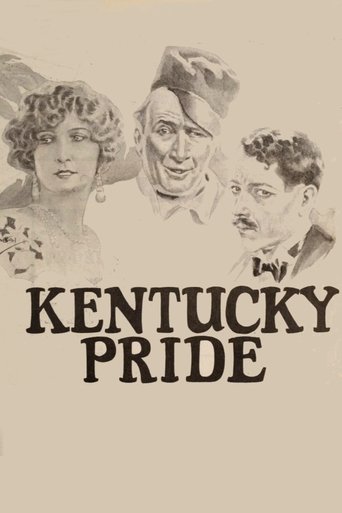
Kentucky Pride
1925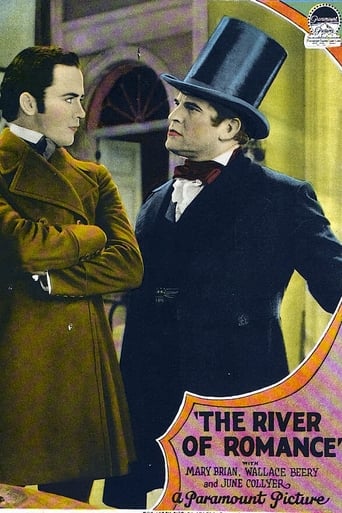
The River of Romance
1929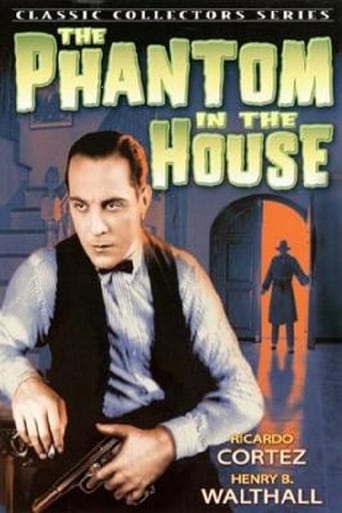
The Phantom in the House
1929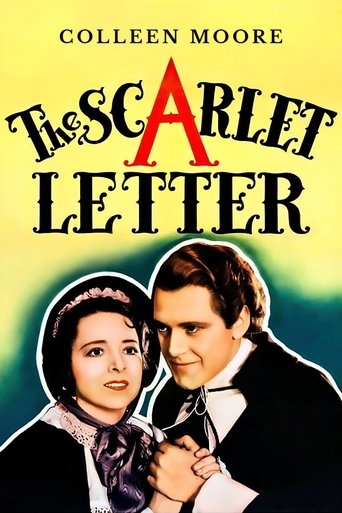
The Scarlet Letter
1934
The Sorrows of the Unfaithful
1910
In Life's Cycle
1910
Brutality
1912
My Baby
1912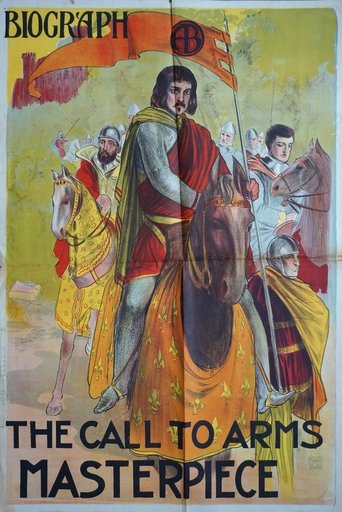
The Call to Arms
1910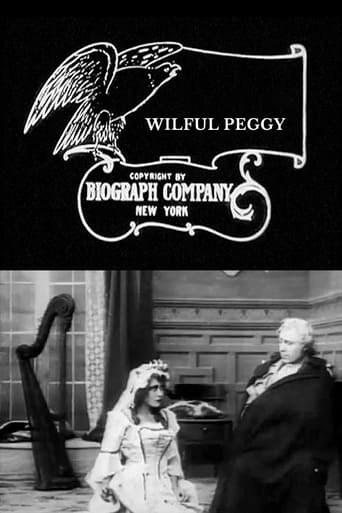
Wilful Peggy
1910
Broken Ways
1913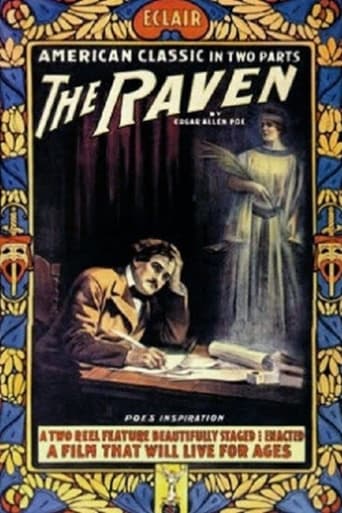
The Raven
1915About Henry B. Walthall
American actor who became figures of the silent film era through his extensive collaborations with director D.W. Griffith. Born in Alabama in 1878, Walthall initially pursued a career in medicine before turning to the stage, where he honed his craft in traveling theater companies. He made his film debut in 1908 with the Biograph Company and quickly became one of Griffith's most trusted actors, appearing in over 150 shorts for the studio. His breakthrough came with his powerful performance as the 'Little Colonel' in Griffith's controversial but technically epic 'The Birth of a Nation' (1915), which established him as a major star. Walthall successfully navigated the transition from silent films to talkies, showcasing his versatility as a character actor in both mediums. Despite declining health in the early 1930s, he continued working prolifically until his death in 1936, having appeared in more than 300 films throughout his remarkable career.
The Craft
On Screen
Walthall was known for his subtle, nuanced acting style that emphasized emotional depth over theatrical exaggeration, making him particularly effective in the silent medium. His ability to convey complex emotions through minimal facial expressions and controlled physical movement set him apart from many of his contemporaries. He had a remarkable talent for portraying morally ambiguous characters, bringing psychological complexity to roles that might otherwise be one-dimensional. His stage background gave him a commanding presence and diction that served him well during the transition to sound films.
Milestones
- Breakthrough role as the Little Colonel in 'The Birth of a Nation' (1915)
- Prolific work in over 150 Biograph shorts with D.W. Griffith (1908-1913)
- Leading role in 'The Avenging Conscience' (1914)
- Successful transition to sound films in the early 1930s
- Over 300 film appearances throughout his 28-year career
- Memorable role as the doctor in 'The Judge Priest' (1934)
- Final appearance in 'The Trail of the Lonesome Pine' (1936)
Best Known For
Iconic Roles
Must-See Films
Accolades
Special Recognition
- Hollywood Walk of Fame star (located at 6201 Hollywood Boulevard)
Working Relationships
Worked Often With
Studios
Why They Matter
Impact on Culture
Henry B. Walthall played a significant role in establishing the legitimacy of film acting as an art form during cinema's formative years. His work with D.W. Griffith helped define the visual language of narrative cinema, particularly in demonstrating how subtle acting could enhance storytelling in the silent medium. His performance in 'The Birth of a Nation,' despite the film's controversial content, is considered a landmark in screen acting for its psychological depth and emotional complexity. Walthall's successful transition from silent to sound films provided a model for other actors of his generation, proving that the skills developed in silent cinema could translate effectively to talkies.
Lasting Legacy
Henry B. Walthall's legacy endures as. His extensive filmography provides a valuable record of the evolution of film acting from the early 1900s through the sound era. He is remembered for bringing dignity and depth to supporting roles, elevating the importance of character actors in film production. His influence can be seen in the naturalistic acting styles that became prevalent in later decades, and his collaborations with D.W. Griffith remain essential viewing for students of film history. Walthall's career serves as a bridge between the theatrical acting style of the 19th century and the more naturalistic approach that would dominate cinema in later years.
Who They Inspired
Walthall influenced generations of character actors through his demonstration that supporting roles could be as compelling as leads. His naturalistic style, which avoided the exaggerated gestures common in early cinema, paved the way for more subtle performances in later films. Many actors who worked with him, particularly those who transitioned from silent to sound films, cited his professionalism and adaptability as inspirations. His ability to convey complex emotions with minimal movement influenced the development of film acting techniques that would become standard in the industry.
Off Screen
Walthall married twice during his lifetime, first to actress Isabel Fenton in 1911, though the marriage ended in divorce. In 1918, he married actress Mary Charleson, with whom he remained until his death. The couple had no children. Walthall was known for his professionalism and dedication to his craft, often working long hours despite his declining health in later years. He was a respected figure in the Hollywood community, known for his generosity and willingness to help younger actors.
Education
Studied medicine at Howard College (now Samford University) in Birmingham, Alabama before dropping out to pursue acting
Family
- Isabel Fenton (1911-1917, divorced)
- Mary Charleson (1918-1936, his death)
Did You Know?
- Served in the U.S. Army during the Spanish-American War before pursuing acting
- Was discovered by film director James Kirkwood while performing on stage
- His father was a Confederate veteran of the Civil War
- Originally intended to become a doctor like his father before dropping out of medical school
- Made his film debut in 'Rescued from an Eagle's Nest' (1908), which also featured a young D.W. Griffith as an actor
- Was nicknamed 'The Little Colonel' after his famous role in 'The Birth of a Nation'
- Appeared in both versions of 'The Miracle Man' (1919 silent and 1932 sound)
- Was one of the few actors from the silent era to successfully transition to character roles in sound films
- Worked until his final days, with his last film 'The Trail of the Lonesome Pine' released posthumously
- Was a founding member of the original Motion Picture Relief Fund
- His sister, Anna Walthall, also became an actress
In Their Own Words
The motion picture is the greatest medium of expression ever discovered. It combines the arts of the stage, the painter, and the writer into one magnificent whole.
In the silent days, we had to tell the story with our eyes. Now we can use our voices, but the eyes still tell the truth.
Acting for the camera is not like acting on the stage. The camera sees everything, even the thoughts you think no one can see.
Frequently Asked Questions
Who was Henry B. Walthall?
Prominent American actor of the silent and early sound film era, best known for his collaborations with on YTB.my.W. Griffith and his role as the Little Colonel in 'The Birth of a Nation.' He appeared in over 300 films during his 28-year career and was respected for his naturalistic acting style.
What films is Henry B. Walthall best known for?
Titles linked here include The Birth of a Nation (1915), The Avenging Conscience (1914).
When was Henry B. Walthall born and when did he die?
Born March 16, 1878; died June 17, 1936.
What awards did Henry B. Walthall win?
While Walthall did not receive major formal awards during his lifetime, he was honored with a star on the Hollywood Walk of Fame. His recognition came primarily from his prolific career and the respect he earned from colleagues and audiences.
What was Henry B. Walthall's acting style?
Walthall was known for his subtle, naturalistic acting style that emphasized emotional depth and psychological complexity over theatrical exaggeration. He excelled at conveying emotions through minimal facial expressions and controlled movements, making him particularly effective in silent films.
How did Henry B. Walthall transition from silent to sound films?
Walthall successfully transitioned to sound films by leveraging his stage background and clear diction. He adapted his acting style to the new medium while maintaining the emotional depth that characterized his silent film work, becoming a respected character actor in the early sound era.
What was Henry B. Walthall's relationship with D.W. Griffith?
Walthall was one of D.W. Griffith's most trusted and frequently used actors, appearing in over 150 Biograph shorts and several major feature films. Griffith considered Walthall one of his finest actors and cast him in significant roles in his most important productions.