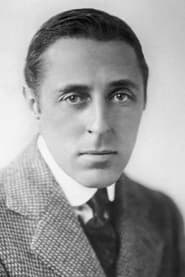
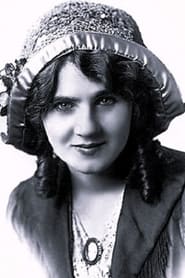

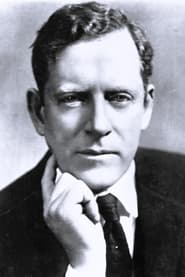
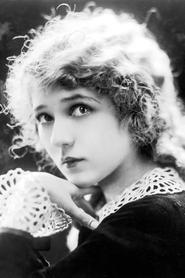
The Slave
"All for sell"
Keys: Space play/pause · ←/→ 10s · F fullscreen · M mute · </> speed
About this film
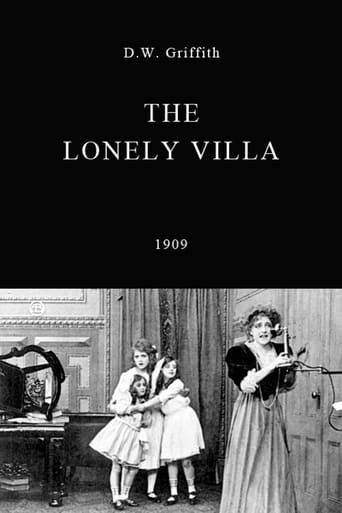
A Greek woman marries a struggling sculptor. When he can't support her and their baby, she offers to sell herself as a slave to allow them to buy food.
Cast & crew
More films like this


More Drama films
View all →







More from D.W. Griffith
View all →
More about this film
About the production
Release dateJune 14, 1909
ProductionAmerican Mutoscope and Biograph Company
Filmed inNew York City, New York, Fort Lee, New Jersey
was produced during D.W. Griffith's prolific period at Biograph, where he directed hundreds of short films. The production utilized simple sets typical of the era, with minimal location shooting. As with most Biograph productions of this period, the film was shot quickly, often in a single day, to meet the company's demanding release schedule. The Greek setting was created through costumes and props rather than actual location filming.
Themes
Themes & topics
Historical background
Made in its country of production around 1909, The Slave belongs to the first decade of projected film. Its story of a greek woman marries a struggling sculptor spoke to audiences of the day through familiar genres and topical settings.
Why this film matters
Archivists and historians still cite The Slave when tracing how the first decade of projected film filmmakers staged greek and marries on screen.
Making of
The filming of 'The Slave' took place during a remarkably productive period in D.W. Griffith's career, when he was directing multiple films per week for Biograph. The production would have been assembled quickly with minimal rehearsal, as was standard practice at the time. Griffith was already developing his signature cross-cutting techniques, though in a more primitive form than in his later masterpieces. The cast, particularly Florence Lawrence, was becoming increasingly popular with audiences, though stars were not yet credited by name in films. The Greek setting was created entirely on studio sets or in the New York/New Jersey area where Biograph operated, with costumes and props suggesting the ancient setting. The emotional scenes, particularly the wife's decision to sell herself, would have required the actors to perform with exaggerated gestures typical of silent film acting to convey the story's emotional weight to audiences.
What critics said
Reviews from 1909 weighed The Slave on pacing, performance, and novelty. Later criticism reads its emphasis on greek, marries, struggling through modern standards of craft and representation.
Did you know?
- Florence Lawrence, who stars in , was known as 'The Biograph Girl' before becoming the first publicly named movie star in 1910
- This was one of over 450 short films D.W. Griffith directed for the Biograph Company between 1908 and 1913
- The film was released during a period when Griffith was experimenting with narrative techniques that would later become standard in cinema
- Harry Solter, who appears in the film, was married to Florence Lawrence in real life and often directed her in other productions
- The film's themes of sacrifice and poverty were common in Griffith's early work, reflecting his interest in social issues
- Like many films of this era, it was likely shot on 35mm film at approximately 16 frames per second
- The film was distributed by the Biograph Company as part of their regular weekly releases to theaters
- was produced before the Motion Picture Patents Company (Edison Trust) was fully established, which would later control film distribution
- The baby in the film was likely played by a doll or very small child, as child labor laws were beginning to be enacted
- The slave market scenes would have been considered controversial by some audiences of the time, though the film's moral message justified the content
Visual style
The cinematography in 'The Slave' would have been characteristic of 1909 Biograph productions, utilizing stationary cameras with basic movement and composition. The film was likely shot on 35mm film with natural lighting when possible, supplemented by artificial lighting for interior scenes. Camera placement would have been relatively static, with medium shots dominating the visual style. Some close-ups might have been used, as Griffith was among the directors experimenting with this technique. The visual storytelling would have relied heavily on composition within the frame and the actors' performances to convey emotion and narrative information. The Greek setting would have been suggested through costumes, props, and simple set design rather than elaborate production values.
Innovations
While 'The Slave' was not technically innovative compared to some of Griffith's other 1909 works, it represents the solid craftsmanship typical of Biograph productions. The film likely employed basic cross-cutting techniques that Griffith was developing to build suspense and emotional impact. The use of multiple locations and sets, though simple, demonstrated the growing complexity of film production. The film's narrative structure, with its clear cause-and-effect progression, showed the advancement of storytelling techniques beyond the simple tableaux of earlier cinema. The emotional performances, particularly by Florence Lawrence, contributed to the development of film acting as a distinct art form separate from theatrical performance.
Music
As a silent film, 'The Slave' would have been accompanied by live music during theatrical exhibitions. The typical accompaniment might have included a pianist or small ensemble performing popular songs of the era, classical pieces, or improvised music that matched the film's mood. The emotional scenes, particularly those involving the wife's sacrifice, would have been accompanied by dramatic, melancholic music. No original score was composed specifically for the film, as was standard practice for productions of this period. The music selection would have been left to the individual theater's musical director or pianist, leading to variations in accompaniment between different venues.
Famous quotes
No dialogue survives from this silent film
Memorable scenes
- The wife's emotional decision to sell herself into slavery, portrayed through Florence Lawrence's expressive performance and gestures typical of early silent film acting
What audiences thought
Early 20th century audiences, particularly working-class and immigrant viewers who frequented nickelodeons, would have responded strongly to the film's emotional story and moral message. The theme of maternal sacrifice would have resonated with many viewers facing economic hardship. The film's dramatic elements and clear moral framework were typical of popular entertainment of the period. As Florence Lawrence was gaining popularity as 'The Biograph Girl,' audiences would have been drawn to her performance. The film's length of about 12 minutes was standard for the era, fitting well into the varied programs shown at nickelodeons. Audience reactions were typically vocal in early cinemas, with viewers often audibly responding to emotional moments on screen.
Film connections
Influenced by
- Stage melodramas of the late 19th century
- Victorian literature
- Classical mythology and history
- Social reform movements of the Progressive Era
- Earlier Biograph shorts
This film influenced
- Later Griffith films exploring social themes
- Maternal melodramas of the 1910s and 1920s
- Other Biograph productions dealing with sacrifice and poverty
Film restoration
Like many early Biograph films, 'The Slave' is believed to be lost or only partially preserved. The survival rate for films from 1909 is extremely low, with estimates suggesting that over 90% of American silent films from this period have been lost. Some paper prints of Biograph films from this era were deposited for copyright purposes and have survived, though their quality is poor compared to original nitrate prints. The Museum of Modern Art and other archives hold collections of Biograph films, but the specific status of 'The Slave' remains unclear in available records.
Where to watch
- As a likely lost film, 'The Slave' is not currently available for viewing. Some early Griffith films can be found in archival collections at the Museum of Modern Art, the Library of Congress, and through Kino Lorber's DVD collections of Griffith's Biograph shorts, though this specific title is not among those commercially available.