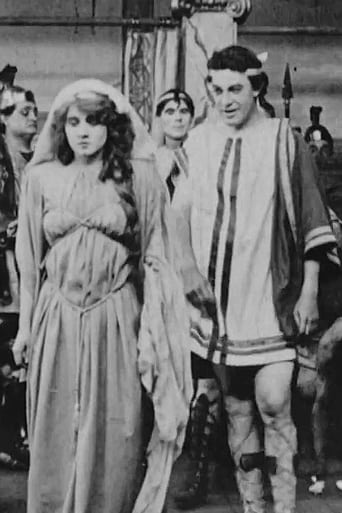
Owen Moore
Actor
Born: December 12, 1886 in Fordstown Crossroads, County Meath, Ireland Died: June 9, 1939 Active: 1908-1939
Films
1 film
About Owen Moore
Irish-American silent film actor who began his career in the earliest days of cinema. Born in Ireland and emigrating to the United States as a child, Moore found his way into the burgeoning film industry around 1908, appearing in early Biograph shorts like 'The Slave' (1909). He quickly rose to prominence as a leading man in the 1910s, working with director D.W. Griffith and becoming one of the first major film stars. His career was notably marked by his high-profile marriage to 'America's Sweetheart' Mary Pickford in 1911, though their turbulent relationship ended in divorce in 1920. After his divorce from Pickford, Moore continued his successful acting career, appearing in numerous silent films throughout the 1920s and making a relatively smooth transition to sound pictures in the early 1930s. Over his three-decade career, Moore appeared in over 300 films, though many of his early silent works have been lost to time. In his later years, he transitioned from leading roles to character parts, continuing to work steadily until his untimely death in 1939 at the age of 52.
The Craft
On Screen
Moore was known for his naturalistic acting style that contrasted with the more theatrical approach common in early silent films. He brought a subtle, understated quality to his performances, particularly in romantic scenes, which made him a popular leading man. His technique evolved from the broad gestures required in early cinema to more nuanced performances as film technology advanced.
Milestones
- Early Biograph shorts with D.W. Griffith (1908-1911)
- Marriage to Mary Pickford (1911-1920)
- Leading man at Triangle Film Corporation
- Successful transition to sound films
- Over 300 film appearances throughout career
Best Known For
Iconic Roles
Must-See Films
Accolades
Special Recognition
- Hollywood Walk of Fame star (located at 6727 Hollywood Boulevard)
Working Relationships
Worked Often With
Studios
Why They Matter
Impact on Culture
Owen Moore was instrumental in establishing the archetype of the romantic leading man in early cinema. His naturalistic acting style influenced subsequent generations of actors who moved away from theatrical techniques toward more realistic performances. As one of the first major film stars, he helped establish the celebrity culture that would become synonymous with Hollywood. His marriage to Mary Pickford represented one of the first true Hollywood power couples, setting precedents for media coverage of celebrity relationships.
Lasting Legacy
Moore's legacy lies in his contributions to early cinema as both a performer and a transitional figure between theatrical and realistic acting styles. His extensive filmography, though many works are lost, represents a significant body of work from the silent era. He is remembered as one of the pioneers who helped shape the film industry during its formative years and as an example of the challenges faced by early stars adapting to changing technologies and audience expectations.
Who They Inspired
Moore influenced the development of naturalistic acting in silent films, demonstrating that subtlety could be effective on screen. His career trajectory from leading man to character actor provided a model for many actors whose careers evolved with age and changing industry standards. His ability to transition from silent to sound films, while not always seamless, offered lessons for other actors facing similar challenges.
Off Screen
Moore's personal life was marked by his high-profile marriage to Mary Pickford,. Their marriage was tumultuous, reportedly affected by Moore's drinking problems and jealousy over Pickford's greater fame and success. After their divorce, Moore married actress Katherine Perry in 1921, with whom he remained until his death. He struggled with alcoholism throughout his life, which likely contributed to his early death from a heart attack at age 52.
Education
Limited formal education; emigrated to United States as a child and was largely self-taught in acting
Family
- Mary Pickford (1911-1920)
- Katherine Perry (1921-1939)
Did You Know?
- Was one of the first actors to sign with Biograph Studio
- Appeared in over 300 films during his 31-year career
- Many of his early silent films have been lost
- Was reportedly paid $1,000 per week at the height of his fame
- His divorce from Mary Pickford was highly publicized
- Was a founding member of the original Motion Picture Relief Fund
- His brother Tom Moore was also a successful actor
- Served in World War I
- Was known for his distinctive Irish brogue in later sound films
- Died just months after completing his final film 'The Story of Vernon and Irene Castle'
In Their Own Words
Acting for the camera is different from acting for the stage. The camera sees everything - even what you think you're hiding.
In pictures, you must be bigger than life, yet smaller than the camera sees you.
The trouble with being married to the most famous woman in the world is that you're never famous enough yourself.
Frequently Asked Questions
Who was Owen Moore?
Irish-American silent film with credits in this catalog. He appeared in over 300 films from 1908 to 1939 and was famously married to actress Mary Pickford. Moore was known for his naturalistic acting style and successfully transitioned from silent films to talkies.
What films is Owen Moore best known for?
Titles linked here include The Slave (1909), The Love Light (1921).
When was Owen Moore born and when did he die?
Born December 12, 1886; died June 9, 1939.
What awards did Owen Moore win?
While Owen Moore did not receive major acting awards during his career, he was honored with a star on the Hollywood Walk of Fame at 6727 Hollywood Boulevard. His contributions to early cinema have been recognized by film historians and preservation societies.
What was Owen Moore's acting style?
Moore was known for his naturalistic acting style that contrasted with the more theatrical approach common in early silent films. He brought subtlety and understatement to his performances, particularly in romantic scenes, which made him a popular leading man. His technique evolved from broad gestures to more nuanced performances as film technology advanced.