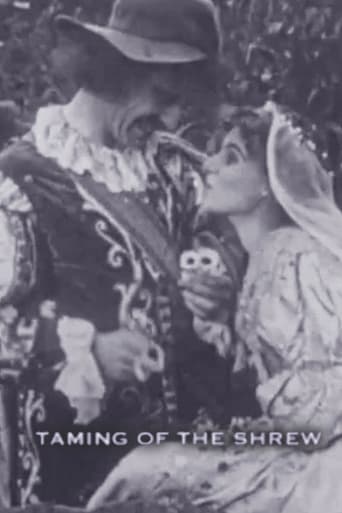
William J. Butler
Actor
Born: 1860 in Ireland Died: 1927 Active: 1908-1911 (primary period), continuing into the 1910s
Films
19 films
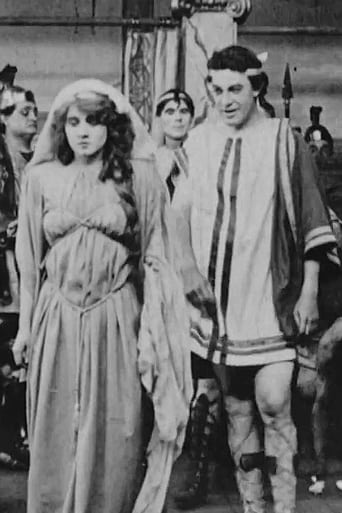
The Slave
1909
A Corner in Wheat
1909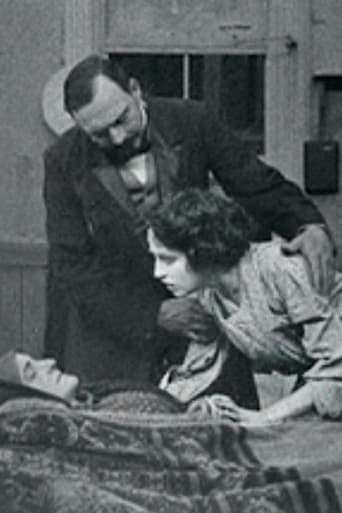
A Child of the Ghetto
1910
A Flash of Light
1910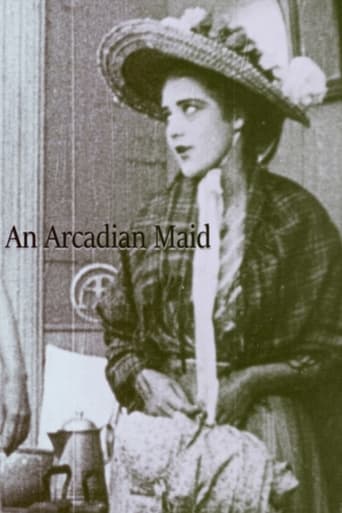
An Arcadian Maid
1910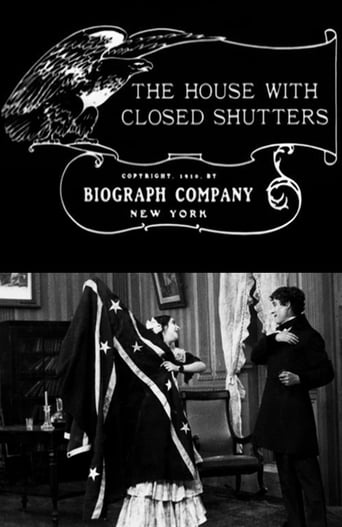
The House with Closed Shutters
1910
A Trap for Santa Claus
1909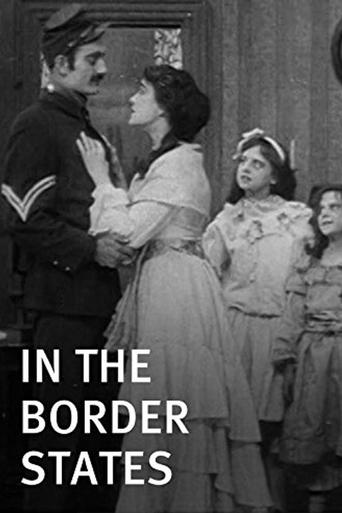
In the Border States
1910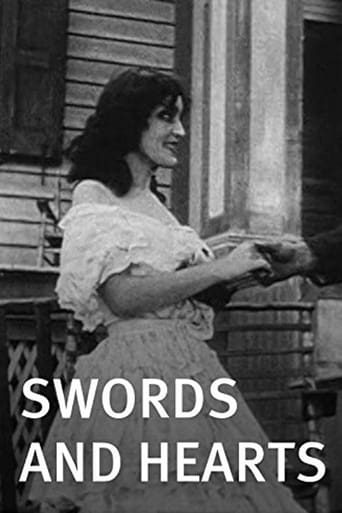
Swords and Hearts
1911
The Miser's Heart
1911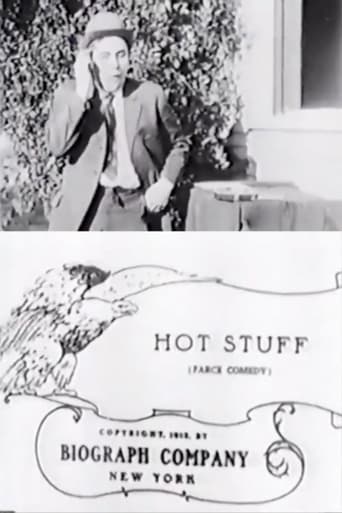
Hot Stuff
1912
Brute Force
1914
The Usurer
1910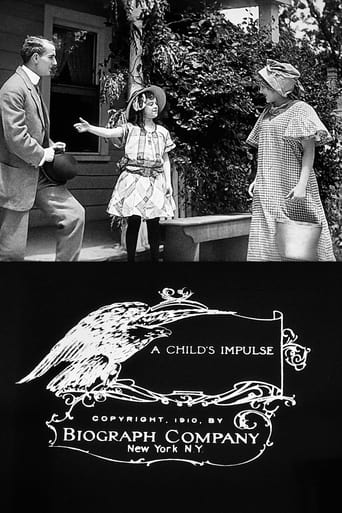
A Child's Impulse
1910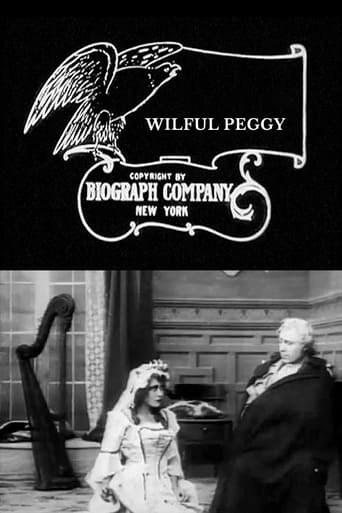
Wilful Peggy
1910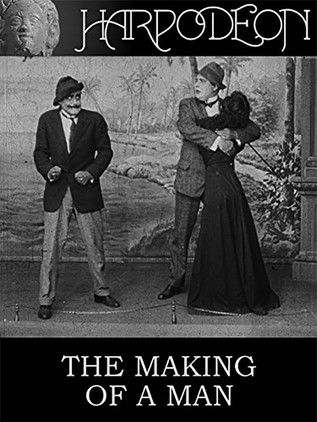
The Making of a Man
1911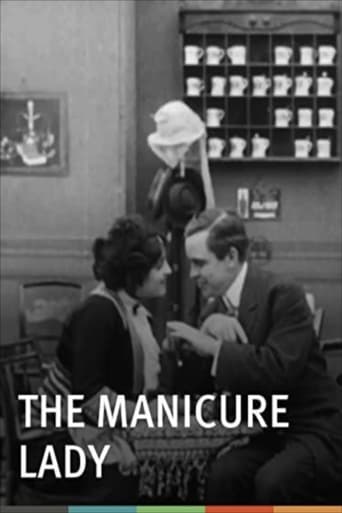
The Manicure Lady
1911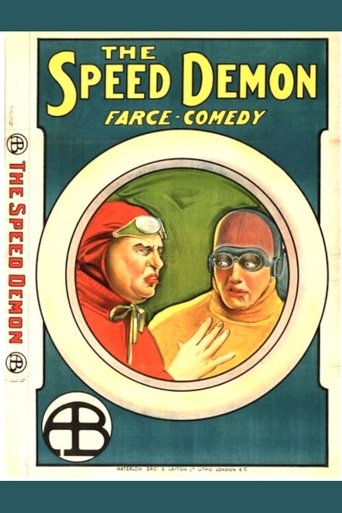
The Speed Demon
1912About William J. Butler
Irish-born actor who became prolific character actors of the early silent film era. Born in Ireland in 1860, he immigrated to the United States and began his acting career on the stage before transitioning to films in 1908. He joined the Biograph Company and became a regular collaborator with director D.W. Griffith, appearing in dozens of films between 1908 and 1911. Butler was known for his remarkable versatility, playing everything from fathers and authority figures to villains and comic relief characters, often appearing in multiple films released in the same month. He also directed several films during this period, though he was primarily remembered for his acting work and his contributions to establishing character acting as a vital component of early cinema. After his incredibly prolific early film career, he gradually reduced his film appearances but continued working in smaller roles throughout the 1910s. He passed away in 1927, leaving behind a legacy as one of the foundational character actors who helped establish the language of film performance during cinema's formative years.
The Craft
On Screen
Butler brought his theatrical training to the new medium of film, employing the exaggerated gestures and dramatic facial expressions typical of early silent era acting. His stage background gave him a commanding presence and the ability to convey emotion through physicality, which was essential before the advent of synchronized sound. He was particularly skilled at quickly establishing character types through posture, gesture, and expression, making him invaluable in the short-form films of the era. His versatility allowed him to switch seamlessly between comedic and dramatic roles, often within the same film or even the same month of production.
Milestones
- Regular collaborator with D.W. Griffith at Biograph Studios
- Appeared in over 100 films during his peak years (1908-1911)
- Transitioned from stage acting to become a film actor
- Directed several short films in addition to his extensive acting work
- Helped establish the archetype of the character actor in early cinema
Best Known For
Iconic Roles
Must-See Films
Accolades
Special Recognition
- contributor to early American cinema
- Recognized as one of Biograph Studio's most reliable character actors
Working Relationships
Worked Often With
Studios
Why They Matter
Impact on Culture
William J. Butler represents the crucial transition from theatrical performance to cinematic acting that occurred during the silent era. His prolific output during 1908-1911 helped establish the importance of character actors in film, demonstrating that movies needed more than just leading players to create compelling narratives. His work with D.W. Griffith at Biograph placed him at the forefront of cinematic innovation, as Griffith was developing many of the fundamental techniques of film language including cross-cutting, close-ups, and sophisticated narrative structures. Butler's ability to quickly establish character types and convey emotion through physical performance helped define the visual grammar of silent film acting.
Lasting Legacy
Butler's legacy lies in his contribution to establishing the foundation of character acting in American cinema. While not a major star whose name would be widely remembered by the general public, his work in over 100 films during cinema's formative years helped demonstrate the importance of supporting players in creating believable film worlds. His collaborations with D.W. Griffith mean his performances are preserved in some of the most historically significant early American films, including works that are studied by film scholars today. As part of the Biograph stock company, he was instrumental in developing the studio system approach to film production that would dominate Hollywood for decades.
Who They Inspired
Butler influenced subsequent generations of character actors by demonstrating the value of versatility and reliability in supporting roles. His ability to play diverse character types showed studios the economic and artistic benefits of having dependable character actors on contract. His work helped establish the archetype of the working character actor who could be counted on to deliver solid performances across multiple films and genres, a model that would become standard in Hollywood's studio system.
Off Screen
Limited detailed information is available about William J. Butler's personal life, which was common for many character actors of the early silent era who were not major stars. As an Irish immigrant who came to America in the late 19th century, he was part of the wave of European talent that helped build the American film industry. His transition from stage to film reflected the broader shift in entertainment during this period, as moving pictures began to eclipse live theater in popularity.
Education
Stage acting training in the late 19th century, likely through apprenticeship in theater companies rather than formal education
Family
- Information not readily available
Did You Know?
- Appeared in more than 100 films between 1908 and 1911 alone
- Was part of D.W. Griffith's regular stock company at Biograph Studios
- Often played multiple different roles in films released in the same month
- His Irish heritage made him part of the significant Irish contribution to early Hollywood
- Transitioned from stage acting to film during the critical period when cinema was establishing itself as a legitimate art form
- Worked during the era when film actors were not credited by name, making him part of the anonymous foundation of early cinema
- His film appearances spanned the transition from very short one-reel films to longer, more complex narratives
- Appeared in both comedic and dramatic films, showcasing remarkable versatility
- Was one of many character actors who helped establish Biograph as the leading American film studio before Hollywood's rise
- His career peak coincided with some of the most important developments in early film language and technique
In Their Own Words
No documented famous quotes are available, which was common for character actors of the silent era who were not interviewed as extensively as leading stars
Frequently Asked Questions
Who was William J. Butler?
Irish-born with credits in this catalog.W. Griffith at Biograph Studios between 1908 and 1911. He appeared in over 100 films during this period and was known for his versatility in playing various character types, from fathers and authority figures to villains and comic relief characters.
What films is William J. Butler best known for?
Titles linked here include A Corner in Wheat (1909), The Taming of the Shrew (1908).
When was William J. Butler born and when did he die?
Born 1860; died 1927.
What awards did William J. Butler win?
William J. Butler did not receive formal awards during his career, as the Academy Awards and other major film honors were not established until after his most active period. His recognition comes from his historical importance as a character actor who helped establish early American cinema.
What was William J. Butler's acting style?
Butler's acting style reflected the theatrical training of his era, employing the exaggerated gestures and dramatic facial expressions typical of early silent film performance. His stage background gave him exceptional versatility and the ability to quickly establish character types through physicality, making him invaluable in the short-form films of the time.