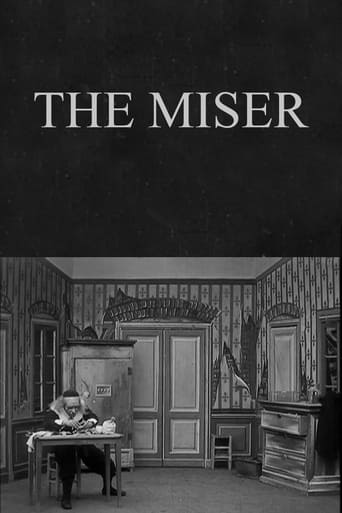
The Miser's Heart
"Thieves threaten a child to crack the miser's safe"
Keys: Space play/pause · ←/→ 10s · F fullscreen · M mute · </> speed
About this film
Thieves decide to steal the money an old miser has hidden away. He refuses to open the safe for them, so they threaten to kill a little girl who lives in his building.
Cast & crew
More films like this
More Drama films
View all →







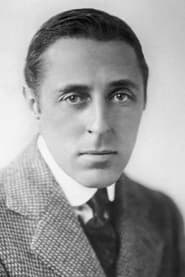
More from D.W. Griffith
View all →
More about this film
About the production
Release dateFebruary 23, 1911
ProductionBiograph Company
Filmed inNew York City, Biograph Studio, New York
Filmed during D.W. Griffith's prolific period at Biograph where he directed hundreds of short films. The production utilized natural lighting and minimal sets, typical of Biograph's economical approach. The film was shot on 35mm film with the standard Biograph aspect ratio of the era. Griffith was known for his rapid shooting schedule, often completing films in just one or two days.
Themes
Greed vs. HumanityThe Corruption of WealthInnocence and ChildhoodMoral RedemptionUrban Isolation
Themes & topics
Historical background
Made during the nickelodeon years around 1911, The Miser's Heart reached audiences through theatrical programs, fairground booths, or specialized distribution channels typical of its generation. Thieves decide to steal the money an old miser has hidden away. He refuses to open the safe for them, so they threaten. Historians now read such works for what they reveal about production methods, national taste, and the expanding vocabulary of screen narrative.
Why this film matters
Archivists and programmers still screen The Miser's Heart when tracing how popular entertainment evolved. Its subject—thieves decide to steal the money an old miser has hidden away. he refuses to open the safe for—gives later viewers tangible evidence of what drew crowds in the silent period. Home video, restorations, and festival sidebars keep the title circulating among students of film history.
Making of
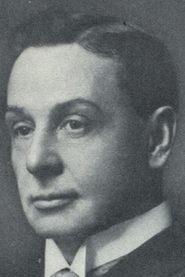
D.W. Griffith was in his most productive phase during 1911, often directing multiple films per week. 'The Miser's Heart' was typical of his Biograph period - quickly produced but technically innovative. Griffith was already developing his signature techniques of parallel editing and close-ups, which would later revolutionize cinema. The cast was drawn from Biograph's stock company of actors who appeared regularly in Griffith's films. Adolph Lestina, who played the miser, was a character actor specialized in playing elderly roles despite being in his 40s. The production faced the typical challenges of early cinema filming - unpredictable weather for exterior shots, the limitations of early film stock sensitivity, and the need to shoot scenes in sequence due to the lack of sophisticated editing capabilities.
What critics said
Original trade coverage treated The Miser's Heart as routine program filler rather than a landmark production—common for shorts. Later criticism emphasizes preservation, stylistic comparison with contemporaries, and whatever cast or crew names later gained prominence. Contemporary writing is mostly historical: assessing completeness, influence, and place in a director's or studio's catalog.
Did you know?
- This was one of over 450 short films D.W. Griffith directed for the Biograph Company between 1908 and 1913
- The film was released just a few months before Griffith's groundbreaking 'The Lonedale Operator'
- Biograph films of this era were typically released without individual titles, being shown as part of larger programs
- The film showcases Griffith's early experiments with cross-cutting to build tension
- Ynez Seabury, who played the little girl, was one of the first child stars in American cinema
- The original nitrate film print was considered lost for decades before a copy was discovered in European archives
- The film's themes of greed versus innocence were recurring motifs in Griffith's early work
- At 17 minutes, this was considered a relatively long film for the period when most shorts were under 10 minutes
- The Biograph Company refused to allow Griffith's name to appear in credits, as they wanted to promote the company brand over individual directors
- The safe used in the film was a prop that appeared in multiple Biograph productions of the era
Visual style
The film was photographed by Billy Bitzer, Griffith's frequent collaborator and one of the era's most innovative cinematographers. The visual style includes the use of deep focus to show multiple planes of action, and careful composition to emphasize the emotional dynamics between characters. Bitzer employed natural lighting for interior scenes, creating a realistic atmosphere that enhanced the film's dramatic impact. The camera work includes some movement, which was still relatively uncommon in 1911, and the use of medium close-ups to highlight emotional moments, a technique Griffith was pioneering at the time.
Innovations
The film demonstrates Griffith's early mastery of parallel editing to build suspense, cutting between the thieves, the miser, and the threatened child. This technique was still innovative in 1911 and represents an important step in the development of cinematic language. The film also shows sophisticated use of screen space and actor positioning to convey power dynamics and emotional states. The pacing and rhythm of the editing create a dramatic arc that builds to its climax, showing Griffith's understanding of how to manipulate audience emotions through timing and cuts.
Music
As a silent film, 'The Miser's Heart' would have been accompanied by live musical performance during theatrical exhibition. The score would typically have been provided by the theater's pianist or organist, often using compiled classical pieces or popular melodies appropriate to the mood of each scene. No specific musical score was composed for the film, as was standard practice for Biograph productions of this era. The music would have emphasized the tension during the confrontation scenes and provided emotional underscoring for the moral dilemma at the film's core.
Famous quotes
(Silent film - no dialogue, but intertitles would have included moral observations about the dangers of greed and the value of human life)
Memorable scenes
- The climactic confrontation where the miser must choose between his wealth and the child's life, demonstrating Griffith's early mastery of suspense through parallel editing and close-ups
What audiences thought
The film was well-received by audiences of 1911, who were drawn to its emotional story and suspenseful climax. The theme of a child in danger was particularly effective in eliciting audience response, a technique Griffith would continue to refine throughout his career. The moral resolution satisfied contemporary audiences' expectations for clear moral lessons in entertainment. As part of Biograph's regular output, it helped build audience loyalty to both the company and Griffith's developing reputation as a director who could deliver emotionally engaging stories.
Film connections
Influenced by
- Contemporary stage melodramas
- Victorian moral tales
- Earlier Biograph shorts
- Griffith's own previous films exploring similar themes
This film influenced
- Later Griffith films featuring moral dilemmas
- Other Biograph productions of 1911-1912
- Early Hollywood dramas featuring children in peril
Film restoration
The film was considered lost for many years but a 35mm print was discovered and preserved by the Museum of Modern Art. The film has been restored and is part of the museum's permanent collection. Digital preservation efforts have ensured its survival for future generations. The restored version shows some deterioration typical of nitrate film from this era but remains largely intact and viewable.
Where to watch
- The film is available through the Museum of Modern Art's film collection
- Included in some D.W. Griffith compilation DVD sets
- Available through select film archives and specialized cinema streaming services
- Screened occasionally at classic film festivals and museum retrospectives